

Key Takeaways
- Building a strong brand online is crucial for SMEs. It assists them in developing a strong brand, establishing credibility, and distinguishing themselves in a crowded marketplace. It’s all about having unified visuals, messaging, and customer experiences.
- An effective online brand earns trust and fosters loyalty. Additionally, it enhances overall visibility and provides a greater competitive advantage, allowing businesses to more effectively attract and retain customers.
- SMEs need to clarify their brand narrative and develop an SEO-friendly site. On top of that, they need to take advantage of social media and create a content marketing strategy to build their brand online.
- Consistency in branding across all platforms, including visual elements and messaging, increases professionalism and builds long-lasting audience trust.
- Don’t fall victim to online branding blunders. Don’t dismiss reviews, overlook mobile-first indexing, or focus only on Google.
- Keep your branding strategies fresh. Utilize analytics tools to monitor performance, adjust strategies, and maintain relevance in the fast-changing digital world.
Building a strong brand starts with knowing who you are and what you stand for. Small and medium-sized enterprises (SMEs) need to focus on clear, consistent messaging and eye-catching content. They need to make smart, strategic use of social media platforms to help them win.
Having a well-designed business website provides a trustworthy online space, and adding search engine optimization (SEO) improves online visibility. Leveraging digital tools such as email marketing and online customer feedback increases the efficacy of outreach efforts and fosters trust with potential customers.
Partnerships and collaborations with other experts can further broaden your reach in your niche too. A strong presence online builds stronger relationships with customers, as well as positions your business where growth opportunities are ready to be seized. Collectively, each of these strategies helps SMEs shine in an increasingly competitive digital landscape.
What Is Online Branding
Online branding is all about creating a recognizable online presence for your company. It is the complete mix of visual and verbal elements that express who you are. When combined, this potent formula communicates to consumers what you do and why it’s important to them.
This strategy uses elements such as website design and social media account creation. It leverages content marketing to develop a meaningful and effective digital experience. A powerful online brand allows small businesses to quickly build relationships with their customers.
This ongoing relationship enhances their ability to lure in, then hang on to, customers.
Definition of Online Branding
Online branding goes beyond just designing your logo and creating a catchy tagline. It’s your company’s identity, ethos, and character in the online space. Each engagement—be it a tweet, a web visit, or an email—adds to the overall understanding of your brand.
Consistent use of color schemes and typography will ensure you have a stunning visual identity. Together, they work with tone and messaging to create an impression on us. If you’re a mattress company, you could focus on comfort and health to convey just how important sleep is.
After all, we spend nearly one-third of our lives asleep. Additionally, online branding is all about the customer experience you offer. From easy-to-navigate websites to agile customer service, every aspect contributes to your brand.
Importance of Online Branding for SMEs
To small business, online branding plays a major role in helping them to avoid getting lost in the shuffle of a very competitive marketplace. It establishes trust, which encourages loyalty and repeat customers.
A strong, unified brand improves your searchability too, making it easier for potential customers to discover you. Content marketing, SEO, SEM, and social media marketing are some of the essential tools that help make this ongoing process possible.
Benefits of Building a Strong Online Brand
A robust online brand is increasingly becoming an indispensable resource for SMEs looking to succeed in today’s highly competitive digital environment. Beyond the aesthetics, it helps make deep and lasting connections with customers, all while increasing visibility and presence within the market.
Let’s take a look at the top benefits.
Increased Customer Trust and Loyalty
A strong and consistent online brand conveys trustworthiness and expertise. Consistency in messaging, visuals, and tone across your website and social media platforms reassures customers that they are engaging with a dependable business.
For example, an understandable and focused mission statement front and center on your website’s homepage establishes trust and direction right away. Trust is the foundation of repeat purchases and long-term relationships.
When customers have confidence in your brand, they’ll be more inclined to return. Plus, they’ll shout your business’ praises from the rooftops! Nothing builds a better reputation than positive word-of-mouth referrals, particularly to those you’ve yet to reach.
Enhanced Visibility and Recognition
A strong, recognizable online brand boosts your search engine rankings and makes it easier for potential customers to find you. Using 10 to 50 relevant keywords that you’ve researched and identified will set your content up for success and help them find you more easily.
Across social media, uniform branding with logos, taglines, and color schemes makes for an easily recognizable brand that your audience can pick up instantly. This heightened visibility increases your market share, allowing you to bring in and hold a more diverse audience.
Over time, your brand builds more authority and continues to appear higher in search results, creating a snowball effect for continued success.
Competitive Edge in the Market
A solid brand presence online makes you stand out from the crowd because it displays your unique value proposition (USP). For instance, a genuine brand narrative that reflects what customers stand for may resonate deeply.
Today’s customers are ready to pay a premium for brands they consider high-quality, high-integrity, or trustworthy.
Key Strategies for SMEs to Build an Online Brand
Developing your online brand presence is not something that happens overnight; it takes time, strong marketing strategies, and dedication. For small business owners, getting it right with digital marketing can set them up for future growth. Here are some core strategies that SMEs should focus on to truly move the needle.
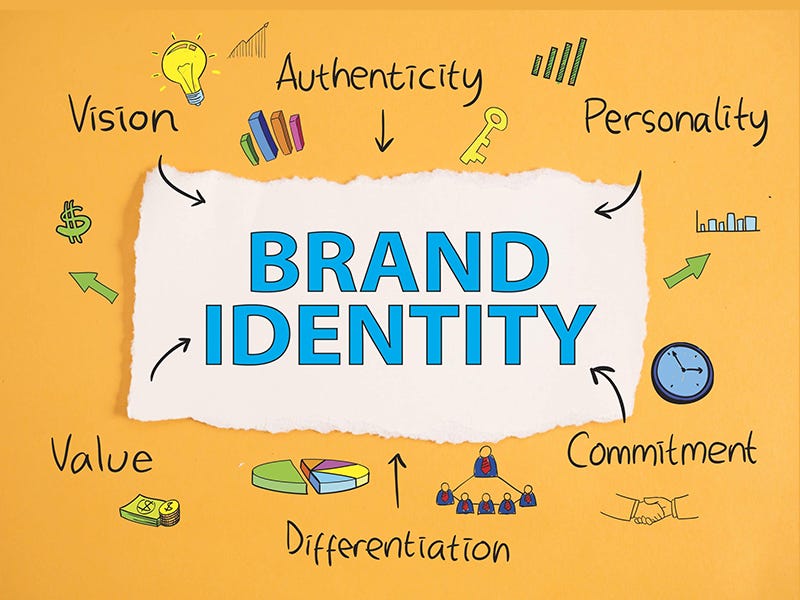
1. Define your brand identity clearly
With so many businesses out there, having a clearly defined brand identity allows SMEs to differentiate themselves from the competition. Start by defining your core values, mission, and vision to lay the groundwork for what your business is all about.
For example, if you run a sustainable clothing shop, make your commitment to eco-friendly practices and ethical sourcing a focal point of your narrative. Identifying unique selling points (USPs) is equally crucial—these are the qualities that differentiate your business, such as faster delivery or personalized service.
Finally, create a brand voice and style that connects with your audience. A friendly, homey vibe might work well for a family-owned bakery. Meanwhile, a serious, no-nonsense tone would work well for an investment firm.
2. Create a professional website
Your website is the online face of your brand. Make sure it’s easy to navigate, attractive looking, and mobile responsive. Intuitive navigation and quick loading times greatly improve the user experience.
In the meantime, powerful calls-to-action (CTAs) such as “Buy Now” or “Get a Free Quote” lead visitors to your site to productive actions. For instance, a fitness studio’s website might have a CTA to book a complimentary trial class.
3. Optimize your website for search engines
Search engine optimization (SEO) is the best way to improve your brand’s visibility online. Include location-specific keywords in your web copy, meta descriptions, and alt text.
For instance, a neighborhood bakery might optimize for phrases like “Los Angeles artisan bread” to bring in customers from the area. Regularly updating content, such as posting blog articles about popular recipes, helps keep your site relevant to both users and search engines.
4. Leverage social media platforms effectively
Social media provides a powerful opportunity for SMEs to engage directly with their audience. Choose platforms that align with where your target audience is.
To illustrate, Instagram would be wonderful for a boutique, but LinkedIn would be the ideal platform for a B2B service. Tailor your content according to the platform. Create behind-the-scenes videos to post on Instagram Reels and share key industry insights on LinkedIn to engage with other professionals in your space.
Regular posting schedules matter to retaining your audience’s attention. If you’re posting two times a week, you’re keeping their attention a whole 3% of the time.
5. Develop a content marketing strategy
Content marketing allows SMEs to deliver value to their audience while increasing visibility. Provide real value to your prospective customers with educational content like how-to’s and product benefit explainers.
Plan to diversify your formats – blogs, videos, infographics. A home improvement business, for instance, could post DIY advice in the form of quick videos. Storytelling is another effective strategy—by sharing success stories or customer testimonials, you can build emotional connections with your audience.
6. Engage with your audience consistently
By being responsive to your audience, you’ll demonstrate that you build trust and will help build brand loyalty. By responding to comments, DMs, and reviews, you’ll be showing customers that they have a voice and you’re always listening.
SMEs can leave themselves open to feedback, for example, by using surveys or social media polls. Creating connections that go further than simple transactions like check out creates a loyal tribe of advocates. This personal connection is incredibly beneficial for service-based businesses like salons and gyms.
7. Use email marketing for personalized communication
Email marketing is one of the most direct ways to reach your customers. Segment your email list to personalize content according to what your customers want—such as providing product recommendations based on previous purchases.
Creating compelling subject lines and providing special promotions, such as discounts or early access to sales, drive people to act. A solid CRM system can assist in tracking performance metrics, such as open rates and conversions to keep campaigns performing at their best.
8. Monitor and manage online reviews
Online reviews are one of the most important aspects of your credibility. Engage your happy clients by asking them to leave their thoughts on review sites such as Google or Yelp.
How you respond to positive and negative feedback goes a long way toward showing potential customers that you care about what they think. For instance, by handling customer complaints with consideration, you can take a bad experience and make it a good one, earning trust and loyalty from your customers.
9. Invest in paid advertising campaigns
Paid ads give SMEs an unparalleled ability to target their desired audiences with laser focus. Tools like Google Ads make it easy for businesses to bid on keywords, allowing them to funnel potential customers to their websites.
In the same way, social media advertisements allow SMEs to set a budget and target specific demographics such as age or geographic location. For example, a new café in town might want to run Facebook ads to attract local coffee lovers.
Without tracking performance, you can’t be sure that your ad budgets are spent most effectively or even make adjustments for your next campaign.
10. Track performance with analytics tools
Analytics tools, such as Google Analytics, offer a wealth of information about the impact of branding efforts. Tools like Google Analytics, for instance, can provide insights into how users interact with your website, like which pages draw the highest traffic.
Social media listening and customer surveys provide further useful data. Setting measurable goals, like increasing website visits by 20% in three months, makes it easier to gauge success and refine strategies.
Role of Consistent Branding Across Channels
Creating a compelling brand in the digital space goes beyond having the best products or services. The importance of consistent branding across channels cannot be overstated, as it significantly impacts online business success. Consistent branding is key to how potential customers perceive and engage with a small business online.
- Consistency in visual elements— logos, fonts, color schemes — are key to building a recognizable brand. A strong, unified appearance on all channels builds your brand and keeps you top of mind with customers.
- As an example, Nike’s famous swoosh is recognizable at a glance because they use it everywhere, consistently. Whether it’s the design of your website or the design of your Instagram feed, having a consistent visual identity says that your organization is professional and trustworthy.
- Take Squigs, the haircare brand, for example. Their bold, vibrant, whimsical imagery connects to their target audience and supports their nonprofit brand. Without consistent visuals, your brand can end up appearing disjointed and therefore, less trustworthy.
- Keeping consistent tone and messaging across channels is also essential. One that embodies your values and resonates with your audience is crucial. For SMEs, having a messaging guideline can help maintain brand voice and messaging across email, social, and digital ads.
- Though your tone might change a bit for Instagram compared to LinkedIn, your overall messaging should have a familiar vibe. Glossier did this brilliantly, leveraging friendly, accessible language to build a devoted following.
- Transparency is key too. 89% of Americans say they are more likely to trust brands that publicly address and fix errors. Customers want a consistent experience no matter where they are—on your site, TikTok, or talking to support.
- A consistent experience increases customer satisfaction and loyalty. Implement a branding audit to identify any inconsistencies. Even the little things, such as having consistent email signatures, make a difference in the impression you give.
- Bad UX is a surefire way to lose trust.
Common Mistakes to Avoid in Online Branding
Creating a powerful online brand takes time, strategy, and creativity, but there are mistakes that can derail all that hard work. By avoiding these mistakes, SMEs can create a more impactful and sustainable presence that resonates with their audience.
Some common mistakes include:
- Ignoring audience feedback and engagement.
- Overlooking mobile responsiveness.
- Focusing only on one platform.
- Neglecting regular updates and improvements.
Ignoring Audience Feedback and Engagement
Not listening to your audience can create an immense gap between your brand and your consumers. Being willing to listen to feedback is important, because if you do, it will tell you what’s working and what isn’t.
For instance, if customers are complaining about a lack of response, you know it’s time to rethink the customer service approach. Communication responding to your audience through surveys, social media comments or directly to reviews builds their trust and loyalty.
This knowledge can help fine-tune successful branding strategies and build strong partnerships in the long run.
Overlooking Mobile Responsiveness
With mobile devices now making up over 60% of all web traffic, having a mobile-friendly experience is a must. Websites that are difficult to navigate on mobile devices lose thousands of potential customers before they even have a chance to view your product!
SMEs need to be testing how their sites perform on all devices, from loading times through to design legibility. For example, if you create navigation menus that are too small, it will annoy users and hurt your brand’s credibility.
Focusing Only on One Platform
Focusing only on one platform limits your ability to reach your audience. Diversifying across platforms such as Instagram, LinkedIn, and email marketing expands your reach and potential engagement.
Since each platform has unique demographics, determining what performs best makes sure time and money are being spent in the right places.
Neglecting Regular Updates and Improvements
Brand materials are easy to let go stale. Keeping up with the times through regular rebranding helps SMEs avoid appearing outdated. It ensures that their logos, color palettes, and messaging stay consistent with modern aesthetics.
Starbucks responded by rebranding and pouring millions into employee training. This concerted effort allowed them to restore their brand and reestablish trust among the public.
Conclusion
Developing a strong brand online requires time, energy, and key strategies. It allows them to become more visible, attract more customers, and ultimately expand their business. Create consistency Consistency is key to building a strong brand online, ensuring your message is cohesive and trustworthy across the board. Steering clear of these pitfalls, such as failing to listen to user experience or not considering branding on all platforms, will help your rebrand stay the course.
Each move you make builds the value of your brand. Whether it’s building an inspiring brand story or paying close attention to your audience’s needs, these proactive moves make all the difference. The payoff is definitely worth it—stronger customer trust and a competitive edge.
Begin with baby steps, be mindful, and learn ongoing. Your online brand is your voice—it’s worth the investment. Be true to yourself, and the success will come.
Frequently Asked Questions
What is online branding?
Online branding is the act of developing a distinct and cohesive online presence that reflects your small business’s values and mission. It establishes credibility, enhances your digital marketing strategies, and sets your SME apart from the competition.
Why is having a strong online brand important for SMEs?
Having a strong online brand presence increases your overall visibility, helps build trust with potential customers, and enhances customer loyalty. It not only assists small business owners in leveling the playing field with big business, but also creates a memorable experience for new customers.
What are some key strategies for SMEs to build an online brand?
Build a professional website that enhances your online brand presence, be active on social media, maintain a unified look and messaging across all platforms, and prioritize exceptional customer service to foster trust and credibility with reviews and testimonials.
How does consistent branding across channels help SMEs?
Consistency builds trust and helps your online business be recognized. It ensures your audience sees the same message, tone, and visuals on your website and social media, strengthening your brand identity.
What are common mistakes SMEs make in online branding?
Common mistakes in online marketing include inconsistent branding, poor-quality visuals, and a lack of audience engagement, which can hurt your online business reputation. Ignoring customer feedback and failing to optimize for mobile users can also hinder your digital marketing strategies.
How long does it take to build a strong online brand?
Building a strong online brand presence isn’t an overnight success project. Though some results from online marketing efforts can be seen within a few months, permanent brand recognition can take a year or more with ongoing digital marketing strategies.
How can SMEs measure the success of their online branding efforts?
Track important metrics such as website traffic, social media engagement, and customer feedback to enhance your online business. Tools like Google Analytics are invaluable for monitoring your digital marketing efforts and re-evaluating your strategies for small business success.