
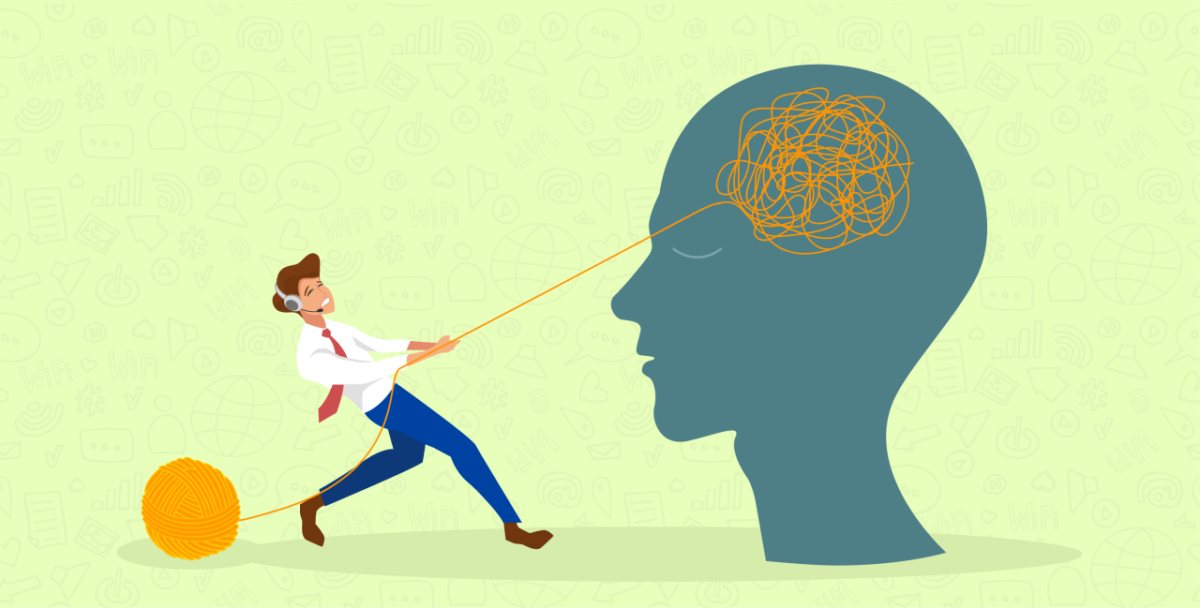
Cognitive bias in sales strategies, along with behavioral biases, plays a crucial role in how decisions are made regarding effective marketing strategy and buying behavior in marketing work. Understanding these biases, including sales tricks and marketing magic, can give you an edge in closing deals and influencing impulsive purchasing decisions among consumers. Every salesperson faces challenges influenced by their own perceptions, assumptions, consumer bias, and cognitive bias psychology in relation to impulsive purchasing decisions and marketing bias. Recognizing these cognitive biases and mental shortcuts can help you tailor your approach to meet customers’ impulsive purchasing decisions effectively.
Key Takeaways
- Understand that cognitive biases can significantly influence customer decisions, so incorporate strategies that acknowledge these biases in your sales approach.
- Use the Mere Exposure Effect by increasing customer familiarity with your product through repeated exposure, which can lead to impulsive purchasing decisions and higher sales due to cognitive bias.
- Leverage Loss Aversion, a cognitive bias, by emphasizing what customers might lose if they don’t act quickly, making them more likely to make a purchase.
- Apply the Compromise Effect by offering a range of options that includes a middle choice, helping customers feel more comfortable in their decision-making and reducing bias.
- Utilize the Framing Effect to present information in a way that highlights the bias towards the benefits of your product, making it more appealing to potential buyers.
- Be mindful of ethical considerations when using cognitive biases; ensure that your strategies promote trust and transparency with customers.
Understanding Cognitive Biases in Sales Strategies
Definition of Biases
Cognitive biases are systematic errors in thinking. They affect how people perceive information and make decisions. These biases often lead to irrational choices. For instance, confirmation bias occurs when individuals favor information that confirms their existing beliefs. This can impact customer decisions significantly.
Impact on Decision-Making
These biases shape how consumers evaluate options. They influence everything from product selection to brand loyalty. For example, the anchoring effect bias causes customers to rely heavily on the first piece of information they encounter. This can skew their perception of value in a sales strategy, creating a bias.
Relevance in Sales Strategies
Marketers must understand these biases to shape effective sales strategies. Cognitive biases can guide how products are presented. Using social proof, for example, can enhance credibility and persuade potential buyers, despite any bias. When customers see others using a product, they feel more inclined to purchase it themselves.
Leveraging Customer Biases
Recognizing customer biases allows businesses to craft persuasive campaigns. By addressing common biases, companies can create targeted marketing approaches. This includes highlighting discounts or promotions that trigger impulsive purchasing decisions. Such tactics can lead to increased sales and customer engagement.
Enhancing Sales Performance
Utilizing cognitive biases effectively can boost sales performance. Companies that adapt their marketing strategies based on these insights will see better results. For instance, scarcity tactics create urgency. When consumers believe a product is limited, they are more likely to buy it quickly.
Examples of Marketing Biases
Several types of marketing biases play a role in consumer behavior:
- Scarcity Effect: Limited-time offers drive urgency.
- Bandwagon Effect: People follow trends and popular products.
- Decoy Effect: Presenting a third option makes other choices more appealing.
Understanding these examples helps marketers create effective campaigns.
Informed Sales Decisions
Sales teams should use insights from cognitive biases to make informed sales decisions. Training staff to recognize these patterns enhances their ability to connect with customers. This knowledge equips them to tailor their pitches effectively.
The Mere Exposure Effect in Sales
Definition
The mere exposure effect refers to the psychological phenomenon where people tend to develop a preference for things simply because they are familiar with them. This principle suggests that repeated exposure leads to increased liking. In sales, this means that the more potential customers see a product, the more likely they are to buy it.
Retargeting Ads
Retargeting ads play a crucial role in implementing the mere exposure effect. These ads target users who have previously interacted with a brand or product. For example, if someone visits a website but does not make a purchase, retargeting ads will display that product across various platforms. This repeated exposure can influence buyer behavior. It keeps the product fresh in the customer’s mind and encourages them to reconsider their initial decision.
Social Media Resharing
Repurposing and resharing existing content on social media can also enhance familiarity. Brands can take previous posts, testimonials, or successful advertising campaigns and share them again. Each time potential customers encounter this content, it reinforces their recognition of the brand. Familiarity often leads to trust, which is essential in consumer choices.
Importance in Marketing Efforts
Using the mere exposure effect effectively can improve marketing efforts significantly. By consistently exposing customers to products through various channels, brands can create a sense of comfort and reliability. This approach helps shape customer perceptions positively. A familiar product may seem more appealing than an unfamiliar one, even if both are of equal quality.
Consumer Behavior Insights
Understanding consumer psychology is vital for effective sales strategies. The mere exposure effect aligns closely with how consumers make choices. Familiar products often appear less risky to buyers. They feel more confident purchasing something they recognize over something new and unknown.
Practical Application
Sales interactions can incorporate these principles easily. For instance, businesses can schedule regular updates about their products or services on social media. They should aim to maintain a balance between being informative and not overwhelming potential customers with too much information.
- Use retargeting ads for past visitors.
- Share testimonials regularly on social platforms.
- Create engaging content that highlights product benefits.
By employing these tactics, sales teams can leverage the mere exposure effect to boost conversions effectively.
Leveraging Loss Aversion in Sales
Understanding Loss Aversion
Loss aversion refers to the psychological tendency where people prefer avoiding losses over acquiring equivalent gains. Research shows that losses have a more significant emotional impact than gains of the same size. For example, losing $100 feels worse than gaining $100 feels good. This principle affects sales decisions. Customers may hesitate to buy if they fear losing their money or time.
Reducing Perceived Risk
Offering free trials can effectively reduce perceived risk for customers. By allowing potential buyers to experience a product without commitment, you lower their fear of loss. A refund or return policy further enhances this effect. Customers feel secure knowing they can get their money back if unsatisfied. This assurance can lead to higher sales and customer loyalty.
Creating Urgency
Using limited-time bonuses and countdown timers can create urgency in sales strategies. When customers see a deadline, they perceive a risk of missing out on a good deal. This sense of urgency encourages quicker decision-making. For instance, a countdown timer on a website can prompt immediate action. Customers don’t want to lose the opportunity for a discount or bonus.
Practical Examples
- Free Trials: Companies like Netflix and Spotify use free trials to attract new users. They allow potential customers to explore the service without any financial commitment.
- Return Policies: Zappos offers free returns for up to 365 days. This policy makes customers feel safe about their purchases, reducing the chance of regret after buying.
- Limited-Time Offers: Amazon frequently uses countdown timers for deals during events like Prime Day. Shoppers rush to take advantage of these offers, fearing they might miss out.
Applying Risk Compensation Theory
Risk compensation theory suggests that when people feel safer, they may take more risks. In sales, this means that by addressing loss aversion, customers become more willing to make purchases. By reducing their perceived risk through free trials and strong return policies, you encourage them to commit without fear.
Applying the Compromise Effect
Definition
The compromise effect occurs when consumers prefer a middle-ground option. This choice often happens when presented with extreme options. For example, if a customer sees a low-cost product and a high-cost product, they may choose the mid-range option. This effect highlights how people avoid extremes in decision-making.
Influence on Choices
The compromise effect significantly influences consumer choices. It simplifies decision-making for buyers. They feel more comfortable selecting an option that seems balanced. Research shows that when offered three choices, people often pick the one in the middle. This tendency can lead to higher sales for businesses that understand this behavior.
Presentation Matters
Presenting a compromise option can enhance its appeal. This strategy works best when it stands out among extreme alternatives. For instance, in a meeting where products are displayed, placing the mid-range option at eye level makes it more noticeable. Customers tend to gravitate towards what is easy to see and understand.
Strategic Placement
The placement of the compromise option has great implications for sales strategies. Offering it alongside two extremes can guide customer decisions effectively. Studies indicate that when customers compare options, they often perceive the compromise as a safer choice. This perception stems from their desire to avoid making risky decisions.
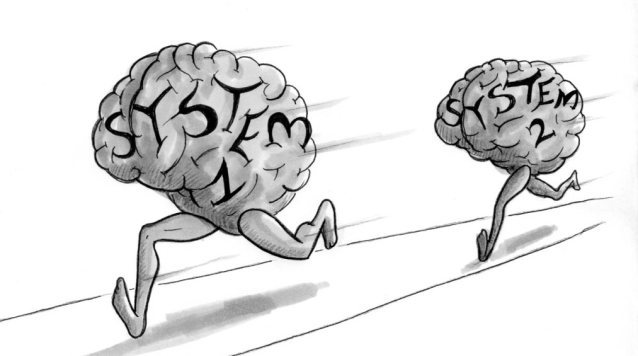
Consumer Behavior Experiment
An experiment conducted by researchers in 2016 illustrates this phenomenon. Participants chose between three different types of coffee: a cheap, a moderately priced, and an expensive one. Most participants selected the moderate-priced coffee over the other two options. The study confirmed that presenting a compromise option can sway consumer preferences.
Consequences of Compromise
The consequences of applying the compromise effect can be significant for sales teams. It increases the likelihood of closing deals by steering customers toward favorable options. When customers feel overwhelmed by choices, they may abandon their purchase altogether. The compromise effect helps mitigate this risk.
Practical Application
Businesses can apply this concept in various ways. They should ensure that their offerings include a clear compromise option. This approach makes it easier for customers to make decisions. By doing so, companies can improve customer satisfaction and boost sales.
Summary of Key Points
- Define the compromise effect and how it influences consumer choices.
- Present a middle-ground option to appeal compared to extreme options.
- Strategically place the compromise option to guide customer decisions effectively.
Utilizing the Framing Effect
Understanding the Effect
The framing effect is a psychological phenomenon. It influences how people perceive information based on its presentation. For example, a product described as “95% effective” appears more appealing than one labeled “5% ineffective.” This difference in wording can significantly impact decision-making.
Research shows that framing can alter reasoning and behavior. Participants often react differently to the same information when it’s framed positively or negatively. The way an offer is presented can drive conversions. Marketers use this principle to create persuasive sales strategies.
Emphasizing Negative Consequences
Framing offers to highlight negative consequences can be effective. For instance, instead of saying, “You will save money,” you might say, “Don’t miss out on savings.” This approach taps into fear of loss. People tend to act when they feel they might lose something valuable.
Using this tactic can increase urgency. Presenting a limited-time offer creates a sense of safety for customers. They feel compelled to act quickly to avoid missing out. This strategy often leads to higher engagement and improved sales results.
Comparing Alternatives
Comparing offers with similar alternatives helps illustrate value. By presenting options side by side, customers see the benefits clearly. Highlighting what makes your product better can sway their decisions.
For example, showing two products, one at $50 and another at $70, with clear benefits for each can guide choices. If the $70 option has superior features, it may seem worth the extra cost. This comparison draws attention to advantages customers might overlook otherwise.
Practical Applications
Sales teams should implement these strategies in their presentations. Use clear language that emphasizes positive outcomes and warns against negative ones. Create comparisons that showcase why your product stands out from competitors.
Incorporating these elements into sales tactics can lead to greater success. Understanding how framing affects perception allows marketers to influence buyer behavior effectively.
Enhancing Sales with the IKEA Effect
Definition
The IKEA effect refers to a cognitive bias where people place a higher value on products they help create. This phenomenon was named after the furniture giant IKEA, which encourages customers to assemble their own items. Research shows that when individuals invest time and effort into making something, they feel a stronger connection to it.
Customer Involvement
Involving customers in product development can significantly boost engagement. Businesses should invite consumers to participate in surveys or focus groups. This input allows customers to feel heard and valued. When they contribute ideas, their loyalty often increases.
For example, Coca-Cola launched a campaign called “Share a Coke.” They invited customers to personalize bottles with names. This simple act made people feel involved. The result was a surge in sales and brand loyalty.
Customization Options
Offering customizable options enhances perceived value and satisfaction. Customers appreciate having choices that fit their preferences. This can be applied across various products and services. For instance, website builders allow users to design sites tailored to their needs.
Businesses can also provide customizable devices or services. By letting customers choose features or colors, companies tap into the IKEA effect. This strategy makes customers feel like part of the creation process.
Marketing Magic
Using the IKEA effect as a marketing technique can drive business success. Clever marketing tricks include highlighting user-generated content. Showcasing customer-created designs can motivate others to engage similarly.
Effective marketing strategies should focus on building community around products. Creating platforms for sharing experiences fosters connection between the brand and its audience. This sense of belonging can lead to increased sales.
Practical Applications
To implement this concept, businesses should:
- Engage Customers: Use social media and surveys to gather feedback.
- Offer Choices: Provide options for customization in products or services.
- Showcase Contributions: Highlight customer involvement in marketing campaigns.
These steps can transform how customers view products. They become more than just items; they become personal creations.
Implementing the Peltzman Effect
Definition
The Peltzman Effect relates to risk compensation behavior. This concept suggests that when people feel safer, they may take greater risks. For example, if a car has better safety features, drivers might drive more aggressively. In sales, understanding this effect can help businesses adjust their strategies. When customers perceive lower risk, they are more likely to make a purchase.
Website Trustworthiness
Creating a professional and trustworthy website is crucial for reducing perceived risk. Customers often evaluate websites before buying. A clean design and easy navigation can enhance trust. Websites should also feature customer testimonials and reviews. These elements provide social proof and reassure potential buyers.
A secure website is essential too. Displaying security badges can increase customer confidence. According to scientific estimates, around 85% of online shoppers abandon their carts due to concerns over security. Therefore, investing in website security pays off.
Clear Contact Information
Providing clear contact information builds customer confidence. Customers want to know they can reach out if something goes wrong. Include a phone number, email address, and physical address on your site. This transparency fosters trust.
Moreover, having an active customer service presence can set a business apart from competitors. Quick responses to inquiries show that you value your customers. This responsiveness can lead to higher sales conversion rates.
Refund and Return Policies
Clear refund and return policies are essential for reassuring customers. Many buyers hesitate when they cannot easily return products. A straightforward policy reduces anxiety about making a purchase.
Outline your return process clearly on your website. Use simple language that anyone can understand. Highlight time frames and conditions for returns or refunds. This clarity helps customers feel secure in their decision to buy.
Building Customer Confidence
By implementing these strategies, businesses can effectively use the Peltzman Effect to their advantage. A trustworthy website reduces perceived risks associated with online shopping. Clear contact information and transparent policies further enhance customer confidence.
Encouraging customers to act despite risks leads to increased sales opportunities. Understanding cognitive biases like the Peltzman Effect empowers companies to create effective sales strategies.
Ethical Considerations in Using Cognitive Biases
Transparency Importance
Using cognitive biases in sales strategies raises ethical questions. Sales tactics that exploit psychological biases can mislead consumers. This manipulation can damage trust between consumers and brands. Transparency is crucial in marketing practices. Businesses must communicate clearly about their products and services. Honesty builds long-term relationships with customers.
Companies should avoid using deceptive techniques. For instance, presenting information that plays on cognitive dissonance bias can create confusion. Consumers may feel pressured to make quick decisions without full understanding. This approach can lead to regret after a purchase. Brands risk losing customer loyalty if they prioritize short-term gains over ethical practices.
Balancing Goals and Well-being
Balancing business goals with consumer well-being is essential. Sales strategies should focus on satisfying customer needs rather than exploiting weaknesses. Researchers emphasize the importance of ethical marketing. They suggest that businesses consider the implications of their actions.
Using behavioral economics principles can guide ethical decision-making in sales. Companies can design offers that align with consumer interests. For example, instead of using choice bias to limit options, brands can provide clear choices. This fosters informed decision-making among consumers.
Trust Building
Maintaining trust is vital for long-term success. Brands that respect consumer autonomy build stronger relationships. Trust leads to repeat purchases and positive word-of-mouth advertising. Consumers are more likely to recommend a brand they trust.
Sales strategies that incorporate social biases should also be approached carefully. While leveraging social proof can be effective, it can also mislead consumers if not presented accurately. Brands must ensure that testimonials and endorsements reflect genuine experiences.
Implications of Misuse
Misusing cognitive biases has serious implications for businesses. Negative publicity from unethical practices can harm a brand’s reputation. Consumers today are more informed and aware of manipulative tactics. They value companies that demonstrate integrity.
Cognitive research indicates that consumers respond better to brands that prioritize ethical behavior. Companies should invest in training their teams on ethical selling practices. This will help them understand the impact of their strategies on consumer perception.
Final Remarks
Cognitive biases can significantly shape your sales strategies. Understanding these biases, like the mere exposure effect and loss aversion, allows you to connect better with your customers. By applying these principles ethically, you can enhance your sales approach and build lasting relationships.
Don’t underestimate the power of cognitive biases in your sales game. Embrace these insights to refine your strategies and drive results. Start experimenting with these techniques today and watch your sales soar!
Frequently Asked Questions
What are cognitive biases in sales strategies?
Cognitive biases are mental shortcuts that influence decision-making. In sales, they can affect how customers perceive products and make purchasing decisions, ultimately impacting sales effectiveness.
How does the Mere Exposure Effect apply to sales?
The Mere Exposure Effect suggests that people tend to prefer familiar things. In sales, repeated exposure to a brand or product can increase customer preference and lead to higher conversion rates.
What is loss aversion in sales?
Loss aversion refers to the tendency to prefer avoiding losses over acquiring equivalent gains. Sales strategies that highlight potential losses can motivate customers to act quickly and make purchases.
How can I use the Compromise Effect in my sales strategy?
The Compromise Effect occurs when consumers choose a middle option among three choices. Offering a range of products with a clear middle option can encourage customers to select it, increasing overall sales.
What is the Framing Effect in sales?
The Framing Effect involves presenting information in a way that influences perception. By framing benefits positively, such as emphasizing savings rather than costs, you can enhance customer appeal and drive sales.
How does the IKEA Effect enhance sales?
The IKEA Effect suggests people value items more if they contribute to their creation. Encouraging customers to personalize or assemble products can increase perceived value and boost sales.
Are there ethical considerations when using cognitive biases in sales?
Yes, ethical considerations are crucial. While leveraging cognitive biases can improve sales, it’s important to ensure transparency and avoid manipulation. Building trust fosters long-term customer relationships and brand loyalty.