
Cognitive load optimization is crucial in our fast-paced world of information processing activity, where the mind must manage multiple tasks alongside computers. It stems from research in psychology, particularly the theories of John Sweller in the cognitive load perspective of the 1980s, focusing on the learner’s mind. His theories highlight how our minds process information and the limits we face as a learner when overwhelmed. By understanding cognitive load, we can enhance learner formation and productivity in the mind.
This blog post will explore practical strategies for optimizing cognitive load to enhance mind formation and learn effectively. You’ll learn tips to manage distractions, simplify complex tasks, and improve focus in mind formation. These techniques are designed to help you learn to work smarter, not harder, with a mind focused on efficiency. Whether you’re a student or a professional, learning to master cognitive load optimization can lead to better results and less stress in your mind and daily life. Get ready to unlock your potential!
Key Takeaways
- Learn to understand the three types of cognitive load: extraneous, intrinsic, and germane in your mind. This knowledge helps in designing better learning experiences.
- Minimize extraneous load by simplifying instructional materials to help students learn and avoiding unnecessary distractions in your teaching environment to keep their mind focused.
- Optimize intrinsic load by breaking complex information into smaller, manageable chunks to enhance comprehension and retention in the mind as you learn.
- Promote germane load by encouraging learners to engage with the material in mind through discussions, practice, and real-world applications.
- Activate prior knowledge before introducing new concepts to help students learn, make connections, and improve understanding of the mind.
- Apply these strategies in curriculum design to create effective learning experiences that resonate with students in mind and enhance their educational journey.
Understanding Cognitive Load Theory
Cognitive load theory explains how our brain processes information. It focuses on the limitations of working memory. This theory is significant in educational settings. It helps educators design effective learning experiences. By understanding cognitive load, teachers can enhance student learning.
Working memory holds information temporarily. It has a limited capacity in mind, typically around seven items to learn at once. Long-term memory stores information more permanently. It can hold vast amounts of data to learn for extended periods. The difference lies in duration and capacity. Working memory is short-lived, while long-term memory is more stable.
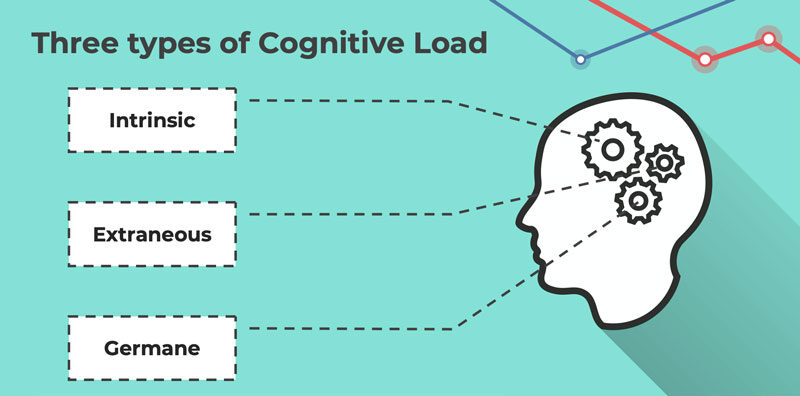
Cognitive load theory identifies three types of cognitive load: intrinsic, extraneous, and germane.
Intrinsic Load
Intrinsic cognitive load relates to the complexity of the material being learned. Some subjects are inherently more difficult than others. For instance, advanced calculus has a higher intrinsic load compared to basic arithmetic. This type of load depends on the learner’s prior knowledge and experience. A student familiar with algebra may find calculus easier than someone without that background.
Extraneous Load
Extraneous cognitive load comes from factors unrelated to the learning material itself. This includes poor instructional design or distractions in the environment. For example, a cluttered classroom can divert attention away from lessons. When teachers use complex language unnecessarily, it adds to extraneous load. Reducing this type of load can help students focus better on the content.
Germane Load
Germane cognitive load supports the process of learning itself. It involves mental effort used for processing and understanding new information. This type of load encourages deep learning and skill development. Activities like summarizing notes or creating mind maps increase germane load. They help students engage with the material meaningfully.
Understanding these loads allows educators to optimize learning experiences. By balancing intrinsic, extraneous, and germane loads, teachers can promote effective learning environments. They can design lessons that challenge students without overwhelming them.
Basics of Cognitive Load
Working Memory
Working memory has a limited capacity. It can only hold a few pieces of information at once. Research shows that most people can manage about seven items in their working memory. This limitation affects how we learn and process new information. If too much information is presented, it can overwhelm learners. They may struggle to understand or retain what they learn.
Cognitive Processes
Cognitive processes involve how we think and learn. These processes happen through two main pathways: visual-spatial and auditory. The visual-spatial pathway helps us understand images and diagrams. It allows learners to visualize concepts clearly. The auditory pathway processes spoken information. This includes lectures and discussions. Both pathways work together to enhance learning experiences.
Intrinsic Cognitive Load
Intrinsic cognitive load refers to the inherent difficulty of the material being learned. Complex subjects require more mental effort. For example, advanced math problems demand higher cognitive resources than simple addition. Understanding this concept is vital for educators. They must consider the complexity of topics when designing lessons.
Complexity Management
Managing cognitive load is crucial for effective learning. Reducing unnecessary complexity can help students focus on essential information. Techniques such as chunking break down large amounts of data into smaller pieces. This method makes it easier for learners to grasp difficult concepts without feeling overwhelmed.
Mental Architecture
Mental architecture describes how our brains are structured to process information. Learning happens when we build connections between new ideas and existing knowledge. Educators can support this by linking new content to familiar concepts. This approach strengthens understanding and retention.
Retention and Understanding
Improving retention requires careful management of cognitive load. When students experience excessive cognitive load, they may forget important details. Effective teaching strategies, like using visuals alongside text, can help balance this load. By doing so, learners engage better with the material.
Practical Examples
Here are some practical examples of managing cognitive load:
- Use visuals like charts or graphs.
- Break down complex tasks into smaller steps.
- Provide summaries after lessons.
- Encourage group discussions to reinforce learning.
These strategies help create a supportive environment for learners.
Minimizing Extraneous Load
Sources of Load
Extraneous load comes from various sources. Environmental distractions, such as noise and clutter, can hinder focus. Poor instructional design adds to this burden. Complex instructions or unclear language can confuse learners. This confusion leads to wasted cognitive resources.
In ventilator management, for example, a high respiratory rate can overwhelm the learner. They may struggle to process essential information while handling multiple tasks. This overload can reduce the effectiveness of learning.
Strategies for Reduction
To decrease extraneous load, simplify instructions. Use clear and concise language in all communications. Break down complex tasks into smaller steps. This approach helps learners focus on one task at a time.
Providing examples also aids understanding. When learners see practical applications, they grasp concepts better. Visual aids can further enhance comprehension by illustrating key points.
Role of Multimedia
Multimedia design plays a crucial role in minimizing extraneous load. Aligning visual elements with educational content is essential. Effective multimedia should support the text rather than distract from it.
For instance, using relevant images alongside written instructions can clarify meaning. Infographics can summarize information visually, making it easier to digest.
Incorporating audio explanations can also benefit learners. It allows them to absorb content without excessive reading. This method caters to different learning styles and keeps engagement high.
Optimizing Intrinsic Load
Understanding Intrinsic Load
Intrinsic cognitive load refers to the inherent difficulty of the material being learned. This load varies based on the complexity of concepts and how well they connect to prior knowledge. For example, a student learning advanced calculus faces higher intrinsic load than one studying basic arithmetic.
Complex information demands more mental effort. If learners do not have sufficient background knowledge, they struggle to grasp new ideas. This can lead to frustration and hinder learning. Therefore, understanding intrinsic load is crucial for effective teaching.
Breaking Down Information
Breaking down complex information into smaller, manageable chunks helps reduce intrinsic load. Instead of presenting an entire topic at once, educators can separate it into key components. For instance, when using slides for presentations, focus on one main idea per slide. This allows students to process each concept fully before moving on.
Chunking information also aids memory retention. Learners find it easier to remember small bits of information rather than large sections. For example, instead of explaining all parts of a cell in one lesson, teachers can cover each organelle in separate sessions.
Scaffolding Techniques
Scaffolding techniques support learners by gradually increasing the complexity of the material. Educators start with simple concepts and build up to more challenging ones. This method allows students to develop confidence as they learn.
For instance, when teaching a new language, instructors can begin with basic vocabulary and simple sentences. Once students grasp these basics, teachers introduce more complex grammar rules and sentence structures. This gradual approach helps manage intrinsic load effectively.
Another effective scaffolding technique involves providing guided practice before independent work. Students benefit from working through problems with a teacher’s guidance first. After gaining confidence, they can tackle similar problems on their own.
Real-Life Application
In real-life scenarios, optimizing intrinsic load can enhance learning outcomes significantly. Consider a medical training program where students must master complex procedures. Instructors should break down each procedure into clear steps and provide ample practice opportunities.
Promoting Germane Load
Definition
Germane load refers to the mental effort required to process information and relate it to existing knowledge. This type of cognitive load is crucial for transferring information into long-term memory. It helps learners build connections between new material and what they already know. Understanding germane load can significantly improve learning outcomes.
Active Learning
Active learning strategies enhance germane load effectively. These strategies engage students in the learning process. They encourage participation through discussions, problem-solving, and hands-on activities. For instance, group projects allow students to collaborate and share ideas. This interaction deepens understanding and retention.
Using techniques like peer teaching can also boost germane load. When students explain concepts to one another, they reinforce their understanding. This method not only solidifies their knowledge but also builds communication skills.
Real-World Examples
Incorporating real-world examples makes learning more meaningful. Students relate better to concepts when they see their applications in everyday life. For example, discussing pyloric stenosis in a medical class provides context for understanding nonbilious emesis. These examples help learners visualize complex ideas.
Using case studies can illustrate theoretical concepts effectively. Case studies provide scenarios where learners must apply their knowledge. This practice enhances retention by connecting theory with practical situations.
Chunking Information
Chunking information helps manage cognitive load during learning sessions. Breaking down large amounts of data into smaller, manageable chunks makes it easier to process. For instance, instead of presenting a large group of facts all at once, educators can divide them into categories or themes.
This method reduces overwhelming feelings and improves focus. Learners can absorb information better when it is organized logically. They can store these chunks in their memory efficiently, leading to better retention.
Summary Techniques
Summarizing learned material aids in reinforcing germane load. After lessons, students should take time to recap key points. Summaries help clarify understanding and highlight essential concepts.
Using visual aids like mind maps can also support this process. Mind maps visually organize information, making connections clearer. They allow learners to see relationships between different pieces of information quickly.
Effective Curriculum Design
Aligning Objectives
Educators must align curriculum design with cognitive load principles. This alignment helps in creating effective learning experiences. Learning objectives should be clear and achievable. They guide students through the material without overwhelming them. For instance, emergency medicine training requires precise understanding of appropriate ventilator settings. Educators can enhance learning by breaking down complex topics into smaller, manageable parts.
Instructional Methods
Incorporating a mix of instructional methods is crucial for diverse learning styles. Different students absorb information in various ways. Some may benefit from visual aids, while others prefer hands-on activities. Using multiple strategies keeps students engaged and reduces cognitive overload. A combination of lectures, group discussions, and practical exercises can cater to all learners. For example, when teaching about abnormal ECG readings, educators can use diagrams alongside real-life case studies.
Periodic Reviews
Periodic reviews and assessments are essential in maintaining an effective curriculum. Regular evaluations help identify areas needing improvement. Educators should assess the efficacy of their teaching methods and adjust accordingly. Feedback from students provides valuable insights into their learning experiences. This process ensures that the curriculum remains relevant and responsive to student needs.
Schema Development
Schema development plays a significant role in cognitive load optimization. By building on existing knowledge, educators can facilitate deeper understanding. For instance, when discussing abnormal pathophysiology, linking new concepts to what students already know fosters retention. This technique minimizes extraneous load and enhances germane load, making learning more efficient.
Creating Supportive Environments
Creating a supportive learning environment is vital for success. Students thrive in spaces that encourage questions and exploration. Educators should foster open communication and collaboration among peers. Such environments reduce anxiety and promote active participation. For example, group projects can stimulate discussion on complex topics like electrocardiogram interpretation.
Utilizing Technology
Technology can also aid in effective curriculum design. Online resources offer additional support for students outside the classroom. Interactive simulations help students practice skills like adjusting correct ventilator settings in a safe space. These tools can reinforce learning objectives while keeping cognitive load manageable.
Activating Prior Knowledge
Role of Prior Knowledge
Prior knowledge plays a crucial role in reducing cognitive load. It helps learners connect new information with what they already know. This connection makes it easier to understand and remember new concepts. For example, medical students often rely on their existing medical knowledge when learning about complex topics. This strategy enhances their ability to recall information during exams or practical applications.
When learners activate their prior knowledge, they create a mental framework. This framework allows them to process new information more effectively. Research shows that connecting new content to existing schemata improves memory retention. Learners can recall information better when they relate it to something familiar.
Techniques for Activation
Several techniques can help activate prior knowledge. Pre-assessment quizzes are one effective method. These quizzes gauge what learners already know before introducing new material. They also encourage students to think critically about the topic at hand.
Brainstorming sessions serve another purpose. During these sessions, students discuss what they know about a subject. This activity encourages participation and generates interest in the upcoming lesson. Both techniques prepare the mind for new information and reduce feelings of overwhelm.
Imagery can also enhance the activation of prior knowledge. Visual aids help learners visualize concepts and make connections. For instance, using diagrams in a biology class can link previous lessons with new content on ecosystems.
Connecting Information
Connecting new information to existing knowledge frameworks is vital for effective learning. This approach fosters deeper understanding and retention. For example, an elderly patient learning about heart health benefits from relating it to their own experiences or family history.
Experts emphasize that making meaning out of new content is essential for long-term memory storage. When learners see relevance in what they are studying, they engage more with the material. This engagement leads to better knowledge acquisition over time.
Levels of understanding vary among learners. Some may grasp concepts quickly, while others need more time. Tailoring instruction based on these levels ensures everyone benefits from activating their prior knowledge.
Incorporating these strategies into curriculum design enhances overall learning experiences. Educators should aim to create environments where prior knowledge is consistently activated. This practice not only boosts confidence but also minimizes forgetfulness.
Connecting New Information
Clear Progression
Clear and logical progression is essential when introducing new information. Learners need to see how concepts connect. This helps them understand the material better. For example, when teaching a new math concept, teachers should show how it relates to previous knowledge. A structured approach aids in information processing.
Teachers can start with simple ideas and gradually move to more complex ones. This method supports learners as they build on what they already know. It reduces confusion and enhances understanding. When students grasp the connections, they engage more deeply with the content.
Use of Analogies
Analogies and metaphors serve as powerful tools in education. They help bridge new material with familiar concepts. For instance, comparing the flow of electricity to water flowing through pipes can clarify electrical circuits for students. Such comparisons make learning relatable.
Using analogies also sparks interest in learners. They can visualize abstract ideas through concrete examples. This visualization strengthens their ability to process new information. When students relate new concepts to their experiences, retention improves.
Reinforcement Techniques
Revisiting and reinforcing new information is crucial for retention. Regular review sessions help solidify knowledge. Spaced repetition allows learners to encounter material multiple times over time. This technique enhances memory retention.
Engaging learners in discussions about what they’ve learned can also aid retention. Talking about new concepts helps them articulate their understanding. Group activities or peer teaching can further reinforce this learning process.
Multimedia Engagement
Incorporating multimedia into lessons increases engagement. Visual aids like videos or infographics can illustrate complex ideas effectively. Research shows that combining text with images improves comprehension and retention.
Multimedia also caters to different learning styles. Some learners absorb information better through visuals, while others prefer auditory methods. By using various formats, educators can reach a broader audience and enhance overall learning.
Practical Applications
Making connections between theory and practice is vital for effective learning. Real-life applications of concepts help students see their relevance. For example, applying math skills to budgeting teaches practical financial management.
This approach fosters critical thinking among learners. They learn to analyze situations and make informed decisions based on their knowledge. Engaging students in problem-solving scenarios encourages deeper understanding.
Practical Applications in Teaching
Instructional Methods
Teachers can apply cognitive load theory in various ways. They can break down complex information into smaller, manageable parts. This helps students grasp concepts without feeling overwhelmed. For example, during a science lecture, an instructor might introduce one concept at a time. They can use visual aids like diagrams to illustrate each idea clearly.
Case studies also serve as effective tools. In medical education, instructors present clinical cases step by step. Students analyze each part of the case before moving on to the next. This method reduces cognitive overload and allows for deeper understanding.
Technology Integration
Technology plays a significant role in managing cognitive load. Multimedia tools enhance learning experiences for students. For instance, using videos alongside lectures can reinforce key concepts. A lecturer may show a video that demonstrates a clinical procedure. This visual representation aids comprehension and retention.
Interactive platforms allow students to engage with content actively. Tools like quizzes and simulations provide immediate feedback. This instant response helps learners adjust their understanding right away.
Professional Development
Ongoing professional development is crucial for educators. Staying updated on best practices ensures teachers implement effective strategies. Workshops and seminars on cognitive load optimization are beneficial. They help instructors learn new techniques and share successful methods with peers.
Educators should collaborate and discuss challenges they face in their classrooms. Sharing experiences fosters a community of practice. Teachers can learn from each other’s successes and failures.
Closing Thoughts
Cognitive load optimization is key to effective learning. By understanding and applying the principles of cognitive load theory, you can enhance your teaching strategies. Focus on minimizing extraneous load, optimizing intrinsic load, and promoting germane load. These steps lead to better curriculum design and improved student outcomes.
Take action now. Implement these techniques in your classroom or training sessions. Monitor the results and adjust as needed. The benefits are clear: engaged learners, deeper understanding, and lasting knowledge retention. Dive into cognitive load optimization today and transform your educational approach.
Frequently Asked Questions
What is cognitive load optimization?
Cognitive load optimization involves adjusting the amount of information presented to learners. The goal is to enhance understanding and retention by balancing extraneous, intrinsic, and germane loads.
Why is cognitive load theory important in education?
Cognitive load theory helps educators design effective learning experiences. By managing cognitive load, teachers can improve student engagement, comprehension, and retention of new information.
How can I minimize extraneous load in my teaching?
To minimize extraneous load, eliminate unnecessary information and distractions. Use clear visuals and straightforward language to focus students’ attention on essential concepts.
What strategies promote germane load?
Promote germane load by encouraging active learning. Techniques like problem-solving, discussions, and collaborative projects help students process and integrate new knowledge effectively.
How does activating prior knowledge aid learning?
Activating prior knowledge connects new information with existing frameworks. This strategy enhances comprehension and facilitates easier recall during learning.
What role does curriculum design play in cognitive load optimization?
Effective curriculum design structures content logically and progressively. It ensures that students encounter material at an appropriate pace, reducing overload while maximizing learning potential.
How can I apply cognitive load principles in my classroom?
Implement cognitive load principles by breaking lessons into manageable segments, using varied instructional methods, and regularly assessing student understanding to adjust pacing as needed.