

Key Takeaways
- Fractional CMOs bring you flexible leadership and deliver expert marketing direction without the overhead of a full-time executive.
- They match marketing to business objectives and mentor in-house staff. They can come from diverse industries and business settings.
- Hiring a fractional CMO enables companies to efficiently scale marketing capabilities, tap into versatile expertise, and execute strategies at a pace.
- Fractional CMOs use innovative technology, data, and performance metrics to enhance marketing effectiveness and prove results.
- Onboarding and communication are crucial to integration success, fostering cooperation between the fractional CMO and internal teams.
- Companies of every size, particularly those growing or limited in resources, can reap the strategic and economic benefits of fractional CMO services.
A full service fractional cmo is a marketing professional who you hire on a fractional or part-time basis to strategize and direct all marketing for your company.
About: end-to-end fractional cmo, no costs of a full-time hire, covering everything from goal setting to team building to results tracking.
A lot of small and mid-sized companies opt for this to obtain expert guidance that aligns with their budget.
The following sections will detail what this service involves and when it’s most effective.
The New Executive
The full service fractional CMO is a flexible leadership option for companies seeking marketing knowhow without the overhead of a permanent, full time executive. It provides businesses with scalable and affordable access to elite marketing leadership.
With executive teams increasing by 50% over the past five years, many organizations are seeking scalable solutions. Fractional CMOs work part-time, typically 5 to 20 hours per week, on high-leverage projects that fuel growth and innovation. This model is able to save businesses 60 to 70% versus the cost of a full-time CMO and frequently generates faster ROI as well.
Role Definition
The NBS FORWARD: Fractional CMO
Fractional CMO leads marketing strategy, manages teams, steers branding and campaign development. They construct and manage marketing strategies, ensure initiatives are aligned with business objectives, and monitor metrics.
It’s an essential position for companies seeking a close connection between marketing efforts and more general company goals. Fractional CMOs coach in-house marketing teams. They assist teams in refining their skills, exchanging best practices, and establishing goals.
Most serve as coaches, enhancing in-house teams’ skills over time. Flexibility is essential. These executives tend to work with start-ups, mid-sized firms, and growing organizations, responding rapidly to various markets, customer requirements, and cultures.
Their experience spanning multiple industries assists them in identifying patterns and addressing challenges that can be novel to an individual company.
Traditional vs. Fractional
| Metric | Full-Time CMO | Fractional CMO |
|---|---|---|
| Monthly Cost | $18,000–$25,000 USD | $7,000–$12,000 USD |
| Annual Cost | $216,000–$300,000 USD | $84,000–$144,000 USD |
| Commitment | 40+ hrs/week | 5–20 hrs/week |
| Flexibility | Low | High |
| Speed to Impact | 3–6 months | 2–3 weeks |
Fractional CMOs provide flexibility that full-time hires lack. Companies can rotate up or down as business requires, with no long-term contracts or fixed overhead.
These leaders are able to implement new strategies at a much quicker pace, frequently demonstrating progress within 90 days. They introduce a blend of experience from work with numerous clients and sectors.
This wide perspective enables them to provide answers and suggestions that might not exist in-house, propelling firms ahead of the curve.
Strategic Value
Fractional CMOs provide companies with strategic leadership without the overhead or risk of a full-time hire. They prioritize projects such as growth and customer acquisition, where they can frequently accomplish a 20 to 30 percent reduction in acquisition costs.
Their new eyes provide objective insights and can spark marketing creativity. They know how to tie marketing to business objectives, which improves decision-making.
Having worked with lots of different kinds of organizations, they understand how to recognize patterns and adapt quickly. Transparent communication and well-documented goals assist both parties to maximize this equation.
Properly configured, a fractional CMO can provide executable strategies within weeks and tangible outcomes within months.
Core Service Spectrum
A full service fractional CMO helps companies with the complete spectrum of marketing leadership and execution. These services are designed to accelerate growth, build a strong sales pipeline, and optimize marketing alignment with business objectives. The approach is hands-on, stemming from years of leadership, systems thinking, and data-driven decision making.
Engagement models are fluid, with project fees or monthly retainers from $5,000 to $50,000. The standard range encompasses 20 to 60 hours per month, with contracts often featuring a 30 to 60 day termination notice period. Services range across sectors such as retail, technology, healthcare, manufacturing, and others.
1. Marketing Strategy
Fractional CMOs establish marketing strategies that align with business objectives and address the appropriate audience. They research the market to identify trends, discover voids, and monitor competition.
Creative approaches are important; they could leverage emerging digital platforms, experiential marketing, or analytics tools to be relevant. Tactics aligned with customer needs help increase engagement and optimize conversions.
A tech company aiming to make a splash in a new market would receive a customized blueprint featuring digital campaigns, local insights, and real-time adjustments as trends change.
2. Team Leadership
Leadership isn’t just about managing. A fractional CMO unites, fosters trust and establishes roles. They assist junior staff in developing with coaching and feedback.
The team converges on a common vision focusing work and inspiration on creative concepts. Responsibility is pushed down so each person understands the effect of their position.
In one example, a non-profit marketing team doubled lead generation after a fractional CMO added weekly check-ins and skill-building workshops.
3. Technology Stack
Fractional CMOs audit existing tools, then select and implement new marketing tech to meet objectives. This could be marketing automation, CRM software, or analytics platforms.
Automating the tedious bits gives you more space for creative work and reduces human error. Data tools reveal what is working and what is not, allowing the team to pivot strategies quickly.
The tech stack is always aligned with the bigger strategy and is never just the latest shiny object. A retail business might obtain a new email automation solution connected to their customer database for targeted offers.
4. Performance Analytics
Establishing clear KPIs is essential. Fractional CMOs monitor lead volume, quality (e.g. MQLs and SQLs), and campaign outcomes. They analyze data to identify vulnerabilities and adjust strategies.
Insights from analytics direct future budget decisions and campaign concepts. Stakeholders receive frequent reporting demonstrating advancement and ROI. This visibility fosters confidence and demonstrates the return on marketing investment.
5. Brand Development
Brand work begins with a story that resonates with the audience and distinguishes you from the competition. Our CMO defines the logo, color, and message guidance, so every channel appears and sounds consistent.
They establish initiatives to increase brand exposure. This might be a new social media campaign or a collaboration with community organizations.
We track brand views through surveys or digital listening and adjust the message when necessary to maintain a positive image.
Ideal Business Profile
A full service fractional CMO is the right fit for businesses who need exceptional marketing leadership but not necessarily a full-time CMO. Startups and SMBs don’t typically have the budget for a permanent CMO yet still require expert strategy. Companies experiencing rapid transition, scaling rapidly or pivoting, likewise appreciate flexible, part-time assistance.
For firms that are resource challenged, a little directionally challenged or running misaligned campaigns, it’s brilliant to have an expert that can bring structure and focus. A well-defined target audience uses data to make choices and is open to new tools like AI and machine learning to fine-tune their marketing. Businesses with a well-defined business profile run twenty-three percent more efficiently, are less wasteful, and extract more from every marketing dollar.
Growth Stage
- Analyze existing marketing efforts and identify what is effective and what is not.
- Set clear goals that match business growth plans.
- Build a roadmap for market entry or product launch.
- Let the data be your guide to measuring and adapting your plan.
- Train teams on new best practices and tools.
- Set up systems to keep future campaigns on track.
As businesses scale, a fractional CMO shepherds them through market transitions or launches. They aid in aligning marketing with new objectives. This keeps teams on point and prevents wasted effort. Consulting helps businesses break into new markets with less danger.
They help align marketing to evolving business demands, so growth remains consistent.
Industry Agnostic
Fractional CMOs span most industries without skipping a beat. Their talents span boundaries, from technology and retail to healthcare and business services. They research every business, discover what makes the market click, and craft campaigns that resonate.
A fractional CMO can hop from a SaaS startup to a retail company, tailoring approaches accordingly. In another case, a fintech company slashed its customer acquisition cost by 25% in only three months after hiring a fractional CMO.
Another example is a health services company that used its CMO’s experience to speed up a launch and hit revenue goals early. Deep experience equals fewer errors and wiser decisions from day one.
Specific Scenarios
- During mergers or leadership changes
- Launching new products or opening in a new market
- Struggling to reach or define target customers
- High marketing spend with poor results
A fractional CMO assists when a company changes hands or is reorganized. They provide focus in uncertain times, keeping teams grounded. When launching new products, they establish launch plans and pivot quickly if markets change.
If marketing strategy does not align with business strategy, a fractional CMO identifies disconnects and charts a new direction. Businesses with these CEOs often witness ROI in 90 days, reduce acquisition costs and pave a route for sustainable transformation.
The Integration Playbook
The integration playbook is a guide for integrating a full service fractional CMO into an organization’s marketing department. Built for six-month engagements but easily adapted to ninety-day fire drills, the playbook details specific actions, predefined outputs, and tangible milestones to guarantee strategic clarity, measurable outcomes, and build a sustainable marketing organization that functions remote or in-house CMO.
Onboarding Process
A thoughtful onboarding plan provides the basis for an easy start. Before the first paid hour, three assets must be secured: a signed decision-rights letter granting the CMO authority, a secure workspace with all relevant data, and a complete stakeholder map with intro calls on the calendar. There is no negotiating on this step.
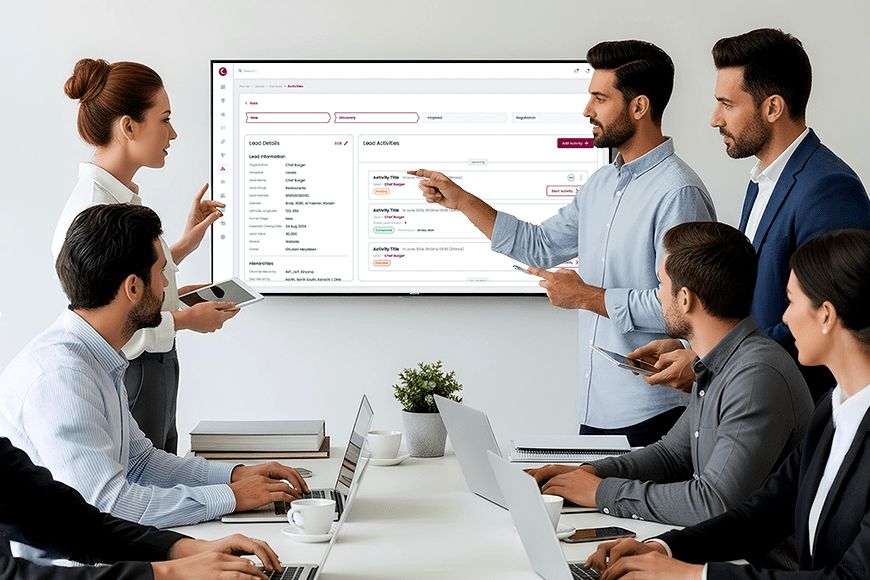
The playbook requires a charter that’s signed and distributed, outlining must-have elements such as experience with analogous verticals or knowledge of certain marketing stacks. Structured interviews rate candidates, and only 80% or more advance.
Early expectation setting is crucial. What does victory look like? We determine and communicate the answer to all stakeholders based on metrics like pipeline growth, campaign efficacy, and cost per opportunity. This prevents confusion down the road and lays the foundation for accountability.
The onboarding stage consists of quick meet-and-greets with important employees, allies, and suppliers. A market reality brief by Day 15 includes a quick win validated and shared, demonstrating early value and building trust. They make resources, like access to marketing tools, analytics platforms, and brand guidelines available immediately.
Team Collaboration
Transparent communication is invited at every stage. Weekly check-ins and a full-day meeting every 30 days keep everybody aligned. These periodic check-ins provide opportunities for real-time feedback, addressing issues and tracking momentum.
The CMO should fill knowledge gaps, bringing in their outside expertise while honoring the internal team’s experience. Collaboration extends beyond the conference room.
The playbook suggests a common experiment backlog prioritized by cost-per-opportunity and data robustness to steer project emphasis. That way, all your ideas get a fair hearing and trial. A simple KPI dashboard visible to all ensures progress is transparent and wins can be celebrated together.
Knowledge sharing comes first. The CMO has the internal staff join strategy sessions and post-mortems. This upskills the team and grows marketing maturity well beyond when the engagement concludes.
Mitigating Challenges
Cultural fit is a common challenge. The playbook handles this by scoring compatibility in interviews and keeping a stakeholder map to demystify relationships. We discuss alignment with company values up front and revisit concerns during check-ins.
We think it’s important to define what success means. The playbook demands defined, quantified KPIs and provides a transition plan by Day 180. A feedback loop is built in, so lessons learned are captured and acted on, closing gaps and smoothing future integrations.
Measuring Success
Measuring the impact of a full service fractional CMO is about more than just tracking numbers. It’s about establishing explicit benchmarks upfront, ensuring those align with overarching business objectives, and applying appropriate instruments to monitor advancement. When companies know what to look for, they receive genuine benefit from their marketing expenditure.
Key Metrics
The right metrics direct each step. Among the most practical KPIs are customer acquisition cost, conversion rates, and marketing ROI. These are the numbers that indicate how effective the marketing is, whether it is acquiring new customers at a reasonable price or if the campaigns are converting leads to sales.
A company wants to reduce acquisition costs by 10% over a year. Monitoring it on a monthly basis catches holes early.
Brand awareness and engagement matter. Metrics such as social reach, website visits, and engagement rates indicate whether more people are aware of the brand and engaging with it. If a company launches a new product, following mentions or shares online helps determine if the message is propagating.
It’s all about comparing results to benchmarks. If the objective is to grow share by 5% in 12 months, every campaign has to do something to tip the scale toward that. Analytics tools like Google Analytics or CRM dashboards provide real-time information so teams can make quick changes if something isn’t working.
They simplify the ability to measure the impact of each marketing push.
| KPI | Example Metric | Why It Matters |
|---|---|---|
| Customer Acquisition Cost | USD per lead | Tracks marketing efficiency |
| Conversion Rate | % of leads closed | Shows sales effectiveness |
| Marketing ROI | % return | Measures value for spend |
| Brand Awareness | Social reach | Gauges audience growth |
| Engagement | Click-through rate | Checks campaign interest |
Reporting Cadence
Routine for Posting Updates keeps everyone aligned. Monthly or quarterly reports work best for most teams. They report wins and hurdles and what to do next. They keep leaders informed and help teams see what is working.
What counts is openness. Open reports, dashboards and regular feedback provide all of us confidence in the process. Visuals, such as charts or progress bars, assist in transforming these figures into compelling narratives.
This makes it easy to identify patterns, recognize successes, and take action on what to alter.
Checking in every 6, 12, and 24 months helps teams look beyond the grind. This bigger view aligns marketing with business results and makes it three times more likely goals get met.
Leaders and stakeholders’ feedback hones the process, adjusts strategies, and strengthens the service for the next cycle.
The Financial Advantage
The financial benefit of full service fractional CMOs is that they provide a means to access top tier marketing leadership without the severe expenses associated with a full-time executive. Hiring a fractional CMO reduces salary costs. A full-time CMO in the US costs between $208,000 and $375,000 per year. Conversely, fractional CMOs generally cost around $60,000 per year, which is a 50 to 75 percent reduction.
The majority of these professionals are on a monthly retainer, generally $5,000, with wiggle room for special projects or shifts in business needs. These statistics demonstrate that fractional CMOs are an economical option for both startups and mature organizations looking to save money without sacrificing talent.
The model provides financial flexibility for companies with fluctuating marketing budgets. Businesses pay only for the time and expertise they need, so they can scale their marketing leadership up or down as projects and sales cycles fluctuate. For example, a growth-stage business could engage a fractional CMO to spearhead a new product launch for several months, then transition to a lower-touch frequency when things stabilize.
This architecture allows businesses to shift capacity as necessary. It has empowered them to accelerate their market response, all while maintaining budget discipline. With average client retention at 19 months and most fractional CMOs managing as many as 18 clients concurrently, this model enables both flexibility and consistent leadership.
Professional guidance from a fractional CMO typically results in higher returns on marketing investment. By cultivating a culture of data-driven decisions and continuous improvement, they assist teams in identifying inefficiency, duplicating what’s effective, and pivoting strategies as necessary. The results can be seen in the numbers: companies using fractional CMO expertise see revenue growth rates of 29% compared to just 19% for those without.
These leaders introduce fresh perspectives and proven models, which 82% of executives believe is a major value add. They’re 36% more likely to achieve their long-term business goals with the right combination of strategic guidance and implementation assistance. This simplifies justifying the investment in fractional leadership, particularly for those targeting nice, steady growth.
There’s less financial risk with a fractional CMO model. The companies don’t have to worry about the long-term commitment and overhead of a full-time hire. If business needs shift or results disappoint, you can modify or terminate contracts with far less hassle.
The shift toward this model is clear: adoption has grown 60% over the last five years. Its emphasis on efficiency, adaptability, and cost savings resonates with the way current enterprises desire to function.
Conclusion
A full service fractional CMO provides a company tangible marketing expertise without the cost of a full time hire. With an expert who fits in fast and gets to work, teams experience transparent planning and candid feedback. Growth doesn’t come from ads or buzz; it comes in meaningful numbers. Firms use these insights to identify what works and eliminate what bogs them down. Fast-moving brands and growing firms choose this model to conserve cash and get it done fast. For fresh eyes on your strategy and real impact, consider a full service fractional CMO. Begin modest, monitor the results, and watch your team grow exponentially faster.
Frequently Asked Questions
What is a full service fractional CMO?
A full service fractional CMO is a marketing executive who works part-time or on a contract basis, providing the complete scope of strategic and operational marketing services without the expense of a full-time leader.
How does a fractional CMO integrate with existing teams?
A fractional CMO works intimately with internal teams, tailoring marketing strategy to business objectives and facilitating seamless knowledge transfer and collaboration.
What services does a full service fractional CMO provide?
They handle brand strategy, digital marketing, campaign planning, analytics, team leadership and more. This includes everything you could want in a marketer, from strategy to execution.
What type of business benefits most from a fractional CMO?
Small to midsize companies who want expert marketing leadership and don’t have the budget for a full-time executive get the most out of a fractional CMO.
How is success measured with a fractional CMO?
So success is defined by KPIs, which include revenue growth, lead generation, brand awareness, and ROI on marketing spend.
What is the financial advantage of hiring a fractional CMO?
A fractional CMO provides top-tier marketing talent at a fraction of the cost of a full-time CMO with flexible terms and no obligation to continue.
Can a fractional CMO help scale a business internationally?
Yes, a fractional CMO brings global marketing expertise and assists businesses in entering new markets while tailoring approaches for international growth.