
Key Takeaways
- Fractional CMOs serve as interim, part-time executive marketers, offering a powerful toolkit. They’re extremely responsive to unique business requirements, and they provide a flexible, low-risk solution for businesses looking to scale.
- They are strategic partners who bridge the leadership gap. They execute strategic and creative marketing initiatives and consistently produce high-quality, measurable impact focused on your unique objectives.
- Knowing how to measure ROI is essential for determining the effectiveness of marketing efforts, directing budget priorities, and instilling stakeholder confidence through data-driven decision making.
- Strategies to maximize ROI include aligning marketing goals with business objectives, prioritizing high-impact channels, and focusing on customer retention to drive consistent growth.
- Successful fractional CMOs utilize techniques such as conducting market analysis, setting performance metrics, fostering team collaboration, and leveraging technology to streamline processes.
- When choosing a fractional CMO, evaluate their industry expertise, strategic vision, and proven results through case studies to ensure alignment with your business needs.
Maximizing ROI isn’t as simple as it sounds. Successful fractional CMOs excel in this domain by leveraging data to inform decision-making and focusing on maximizing the efficiency of available resources. These specialists are proven experts in market analysis, campaign strategy, and performance monitoring.
They enable organizations to realize impactful and measurable growth at a fraction of the cost of bringing a full-time executive onboard. They take advantage of cutting-edge technology to track important metrics. This enables them to maximize marketing ROI and customize marketing strategies to address unique business objectives.
From manufacturing to retail, by focusing on scalable solutions, they get proven results – no matter the industry. Whether it’s optimizing existing digital campaigns or helping them find a new market to penetrate, fractional CMOs offer valuable, actionable insights that maximize ROI and drive profitability.
Their track record approaches are what make them such an asset to companies looking to drive better returns without breaking the bank.
What Is a Fractional CMO
A Fractional CMO, or Chief Marketing Officer, is a high-level, part-time marketing executive who offers overall marketing guidance and strategy to businesses. These on-demand professionals deliver necessary marketing know-how to the struggling SMBs. They provide these companies with on-demand access to top-tier talent, without the commitment or cost of a full-time hire.
Fractional CMOs are results-driven players, committed to fostering growth by providing customized, actionable strategies, tailored to the unique needs of their clients.
Role of a Fractional CMO
With an eye towards the big picture, fractional CMOs serve as strategic partners, guiding businesses to create and implement targeted marketing initiatives. Unlike consultants who only tell you what to do, they are strategic leaders with a hands-on approach, executing the overall strategy and managing the day-to-day marketing activities.
For example, if a growing SaaS company requires innovative solutions to improve customer acquisition, a fractional CMO can design and implement data-driven campaigns. They fill leadership voids at a fraction of the price of bringing on a permanent CMO.
This model provides companies with on-demand, executive-level expertise without the headaches of long-term fiscal obligations.
Benefits of Hiring a Fractional CMO
Fractional CMOs are a smart financial investment. Rather than shelling out $374,000 annually for a full-time CMO, SMBs can take advantage of fractional, flexible contracts. These experts provide short-term results and constantly revise plans to suit individual objectives.
Their experience across industries guarantees proven solutions for safer, more efficient outcomes.
Differences from Full-Time CMOs
Fractional CMOs can fit the level of service you need, down to as little as 20–50 hours per week. Their varied experiences in different industries add new perspectives, allowing SMBs to learn the successful strategies of other industries.
Where full-time CMOs are responsible for strategic alignment with higher organization goals, fractional CMOs need to make immediate impact a priority alongside long-term planning.
Why ROI Matters in Marketing
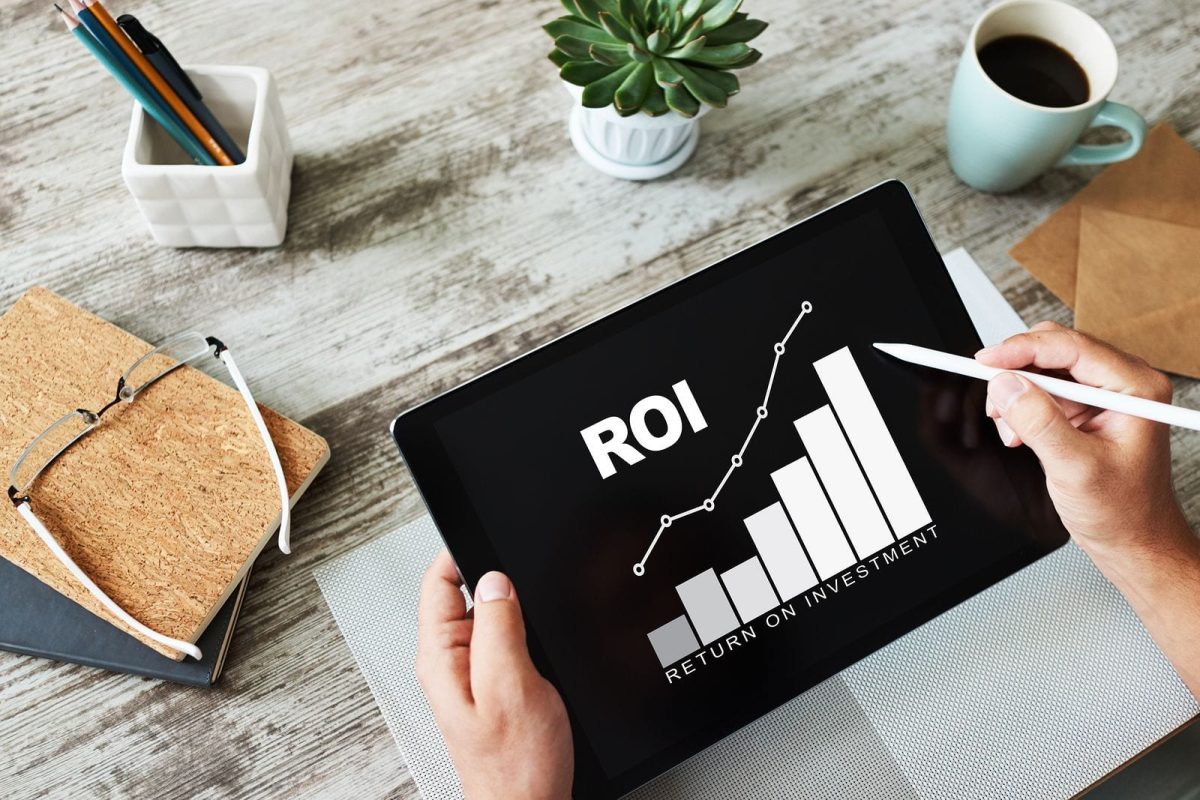
Return on Investment (ROI) is one of the most fundamental metrics to determine the effectiveness of marketing efforts. This measures the financial return produced from marketing campaigns, providing companies with a clear view of their marketing performance. Understanding ROI is critically important for organizations seeking to leverage fractional marketing services to drive greater impact while doing more with less.
Importance of Measuring ROI
Measuring ROI is crucial to making smart decisions. It gives priceless insight into what marketing tactics are producing the highest ROI, so companies can invest in the tactics that will produce the best results. Lead nurturing increases the number of sales-ready leads by 50% and lowers the cost per lead by 33%.
With such a short payback period, this strategy provides a very high ROI. Pinpointing winning strategies such as these makes the case to invest future dollars in more successful campaigns.
For today’s marketers, tracking ROI impacts future marketing strategy in a big way. Setting Key Performance Indicators (KPIs) allows businesses to tailor their measurement metrics to their goals, setting up a much clearer structure for evaluation.
Tools such as Google Analytics and HubSpot help make tracking easy. They give you actionable insights that allow you to refine your campaigns and continually maximize ROI over time.
Challenges in Tracking ROI
As important as it is, measuring ROI can be quite difficult. One of the biggest hurdles, though, is being able to tie revenue directly back to individual marketing campaigns. One sale can come from many interactions – social media, email, or content – all playing a role.
Accurate attribution means having the right data collection and analysis systems in place. A second challenge is the issue of data quality. Without reliable tracking systems, like the ones listed above, companies are in danger of making decisions based on half-baked numbers.
By overcoming these hurdles, we can deliver better insights and more impactful strategies.
Impact of ROI on Business Growth
When marketing demonstrates positive ROI, it becomes easier to reinvest into marketing, igniting a cycle of business growth. Underneath these commonly high-ROI tactics, such as user-generated content or partnerships with micro-influencers, are usually more cost-effective opportunities to extend your reach.
That reinvestment fuels new customer acquisition and brand loyalty over the long haul. In addition, ROI encourages confidence from stakeholders. High returns are proof of success, ensuring continued marketing support and funding.
Companies that can prove to investors sustained high ROI are the ones that get the most investment, supercharging their growth and competitive advantage.
Strategies to Maximize ROI
Maximizing ROI takes more than just the right technology — it takes strategic planning, focused resource allocation, and ongoing analysis. Fractional CMOs can offer significant outside expertise that can help businesses of any size increase and maximize returns on their marketing investments.
Here are some specific strategies to maximize your ROI.

1. Align Marketing Goals with Business Objectives
A cohesive approach makes it easier to ensure all marketing initiatives directly align with and reinforce overall business objectives. If a brand needs to increase customer retention, it should double down on loyalty initiatives.
Targeted, personalized email campaigns can help you do all of that and more. Fractional CMOs excel at bridging this gap. They create integrated marketing strategies that connect marketing spend with positive, measurable business results like increased revenue and new customers.
2. Prioritize High-Impact Marketing Channels
Email marketing, social media, and content creation all provide powerful ROI on relatively low costs. For example, email campaigns that feature personalized offers increase engagement rates by up to 50%.
Fractional CMOs deeply analyze performance metrics to figure out the best channels to reach the desired audience, allowing you to focus resources where they’re most effective.
3. Optimize Budget Allocation Effectively
Smart use of limited dollars goes a long way. Utilizing tools such as Google Analytics provides a comprehensive overview of campaign performance and allows businesses to move money to better-performing strategies.
Fractional CMOs are always measuring and monitoring spend compared to KPIs, honing in on where to invest money for the biggest ROI.
4. Leverage Data-Driven Decision Making
Data-driven analytics reveal consumers’ trends, habits and behaviors that inform your marketing strategies for smarter decisions and a better ROI. For instance, measuring your lead nurturing activity can boost sales-ready leads by 50% at a one-third lower cost.
Fractional CMOs make sense of data to optimize strategies, keeping campaigns fresh and driving results.
5. Focus on Customer Retention and Loyalty
After all, it’s usually cheaper to retain a customer than it is to get a new one. Personal marketing, such as targeted email promotions, creates loyalty and increases lifetime value.
Fractional CMOs create more customer-centric campaigns that build on these connections.
6. Test and Scale Successful Campaigns
Running these campaigns on a small scale reduces risk by figuring out what audiences will respond to. A/B tests, for example, can help to refine messaging before a larger roll out.
Fractional CMOs leverage data to expand what works, stretching your ROI further and faster.
7. Build Agile and Adaptive Marketing Plans
Meeting evolving market demands and change need to happen quickly and flexibly. Flexible strategies empower organizations to shift course when necessary, staying up-to-date in ever-changing landscapes.
Fractional CMOs encourage this flexibility, so your marketing strategies stay one step ahead of the competition.
Techniques Used by Successful Fractional CMOs
Fractional chief marketing officers understand what high-level marketing entails and how to apply it effectively, assisting businesses in maximizing their marketing budgets. These fractional marketing leaders utilize various innovative marketing solutions to enhance marketing performance, making them invaluable assets to companies of all sizes. Here are a few fundamental techniques they employ to create tangible business growth.
Conduct Comprehensive Market Analysis
Recognizing these shifts within the market is essential to creating effective marketing strategies. Market research is a key tactic used by fractional CMOs to help spot trends, understand audience behaviors, and uncover new opportunities. Through rigorous analysis of consumer data and competitive insights from industry reports, they help clients make data-driven decisions that best align with business objectives.
This is where competitive analysis takes center stage. Through benchmarking against competitors, fractional CMOs identify gaps in the market and create strategies that leverage opportunities where you can stand out. As an example, a fractional CMO engaged by a fintech company may study competitor pricing structures to provide options with competitive benefits.
Implement Performance Metrics and KPIs
Without clear objectives and truly measurable KPIs, it’s impossible to determine the success of any marketing effort. Successful fractional CMOs will utilize tools such as Google Analytics and HubSpot to track lead conversions, track overall website traffic, and track the success of different campaigns.
Consistent reporting provides visibility to all stakeholders by celebrating wins and showing where pivots are needed. For example, conducting AB testing on email campaigns allows fractional CMOs to optimize messaging to achieve higher open and click-through rates.
Enhance Team Collaboration and Communication
Effective marketing campaigns may often be the product of great teamwork. Fractional CMOs quickly establish a culture of collaboration by encouraging open communication and ensuring everyone is working towards the same goals. They often abuse project management tools like Asana or Trello.
This allows them to be much more efficient in identifying and tracking workflows and completing tasks in a timely manner. Successful teams maximize their success with a two-way sharing of knowledge. CMOs offer strategic guidance, which is supplemented by the apprentice learnings of junior staff regarding new technologies and trends.
Use Technology to Streamline Processes
Technology is at the heart of enhancing marketing effectiveness. Fractional CMOs utilize automation tools, like Mailchimp to automate email campaigns and Canva to create visuals. These tools are more cost-effective, allowing businesses with tighter budgets to maximize their resources.
Data analysis tools are the second cornerstone, allowing fractional CMOs to monitor performance across channels and adjust strategies according to real-time insights. For instance, analytic-driven lead nurturing campaigns produce more sales-ready leads for less money.
Measuring and Reporting ROI
Measuring and reporting ROI is crucial for demonstrating the impact of marketing on the bottom line and informing future marketing strategies. Fractional chief marketing officers excel at this by setting specific, measurable goals. Through a consulting relationship, a fractional marketing partner can create dashboards to track relevant metrics, analyze performance, and drive actionable insights for effective marketing tactics.
Below are practical steps and their importance in maximizing marketing ROI through strategic marketing leadership and specialized marketing expertise.
Set Clear and Measurable Goals
Measurement and reporting ROI starts with defining realistic goals that align with your marketing objectives. Goals such as “increase traffic to our website by 20%” or “bring in 50 new leads per month” give you a solid target to shoot for.
Fractional CMOs help by making sure these objectives are tied to business priorities, so everyone is on the same page from day one. When your goals are clear, it’s simple to monitor progress and measure success, and with that comes a blueprint for creating meaningful change.
Track Relevant Marketing Metrics
Keeping an eye on basic metrics such as conversion rates, customer acquisition cost, click-through rates guarantees that your data is a true representation of your performance. Tools such as Google Analytics or HubSpot make the tracking much easier, giving you results in real-time.
Fractional CMOs drill down on these metrics, focusing on consistency to help you make strategic decisions based on facts. You can measure ROI by taking this formula (Net Profit ÷ Total Cost) x 100. This approach illustrates campaign efficiency, and if your ROI is higher than 100%, you achieved a profitable result.
Analyze Campaign Performance Regularly
Continuous analysis reveals what’s effective and where you need to make adjustments. Scheduling regular reviews allows teams to spot trends and adjust strategies.
Campaigns with a 66.7% ROI can point to areas of strength. Fractional CMOs are data-driven by nature, utilizing insights from tools and reports to make smarter, more effective decisions moving forward.
Present ROI Reports to Stakeholders
This kind of clear, transparent reporting goes a long way toward building the public trust. Fractional CMOs can produce engaging presentations that highlight your big wins.
For example, an ROI of 33% lower cost per lead and 50% more qualified leads, supported by a data point from HubSpot. Through these reports, marketing proves its value and keeps itself in sync with what stakeholders expect.
How to Choose the Right Fractional CMO
Choosing a fractional chief marketing officer is a tactical decision that can yield significant dividends for your business. To make the right choice, it’s essential to consider various marketing channels and criteria that will inform your decision-making process, ensuring you select the right fractional marketing partner to support your strategic marketing leadership.
Assess Industry Experience and Expertise
A fractional CMO who has a proven track record in your industry will add immediate value. They have a profound sense of market forces, customer needs, and competitive environments. This expertise allows them to develop customized strategies that fit seamlessly with your business objectives.
A technology company would be best served by a CMO with experience in SaaS or hardware-based businesses. They will probably be the best at predicting the specific challenges that market will present. Their gathered expertise allows them to handle the nuances of market positioning, making sure your brand is always one step ahead.
Evaluate Strategic Vision and Approach
A strong strategic vision is crucial in marketing leadership. Your fractional CMO should be able to articulate their approach to driving growth. They should be able to provide examples of how their approach directly supports your company’s long-term goals.
Innovative thinking is the third cornerstone—seek out a marketer who’s nimble enough to adjust to new trends and spot opportunities others miss. Take, for example, a CMO with a digital transformation specialization, who can introduce state-of-the-art solutions, making both the execution and results more efficient.
Review Case Studies and Past Results
Case study reviews are a concrete barometer of success. These perspectives show you how a potential CMO overcame challenges, implemented strategies, and drove results in past positions.
For instance, a previous engagement should demonstrate how they increased top line revenue by optimizing customer acquisition efforts. Tangible outcomes, such as increased ROI, better brand positioning, etc., demonstrate their competency to deliver what you need.
Conclusion
To get the best ROI from your marketing requires savvy planning and proven strategies. Never lose sight of actually getting results. Fractional CMOs are incredibly experienced and can make a huge impact on driving ROI. They’re experts at cutting through the clutter, establishing a hierarchy of objectives, and providing the maximum impact with minimum waste.
By partnering with an excellent fractional CMO, you’ll be kept on track, progress will be measured, and you can adjust course as necessary. It’s easy to get caught up in the short term wins, you must focus on creating a strong foundation for lasting success.
If you’re looking to maximize your marketing roi and achieve meaningful results, take a page from these strategies outlined above. Make the leap, get the right fractional cmo partner in place, and convert your ambitions into tangible growth.
Frequently Asked Questions
What is a fractional CMO?
A fractional chief marketing officer is a seasoned marketing executive who collaborates with clients on a part-time or contractual basis. By offering strategic marketing leadership and oversight, they enable businesses to drive growth while avoiding the full-time costs associated with a traditional CMO.
Why is ROI important in marketing?
ROI (Return on Investment) is a crucial metric that demonstrates the efficiency of your marketing spend. By leveraging fractional marketing expertise, you can pinpoint what’s working, maximize your strategies, and ensure your marketing budget delivers tangible business results.
How can a fractional CMO help maximize ROI?
With their tested expertise and strategies, fractional chief marketing officers can help maximize ROI through innovative marketing solutions. They ensure that your marketing initiatives are aligned with overarching business goals and focus on optimizing campaigns to enhance marketing performance.
What strategies do successful fractional CMOs use to maximize ROI?
Successful fractional chief marketing officers employ strategies such as audience segmentation, performance tracking, and content optimization while leveraging cost-effective tools to enhance their marketing efforts.
How do fractional CMOs measure ROI?
Fractional chief marketing officers recommend measuring success through metrics such as conversion rate, customer acquisition cost (CAC), customer lifetime value (CLV), and revenue growth, providing strategic marketing leadership by monitoring all data and delivering comprehensive reports that demonstrate the value of marketing.
What are the benefits of hiring a fractional CMO?
By hiring a fractional chief marketing officer, you save money and gain access to seasoned marketing professionals who provide strategic marketing leadership. Additionally, they offer flexible, scalable fractional marketing solutions while keeping your marketing efforts focused on your unique business goals.
How do I choose the right fractional CMO?
Select the right fractional chief marketing officer by seeking a seasoned marketing professional with experience in your industry, a proven track record of success, and excellent communication skills that align with your company’s purpose and mission.