
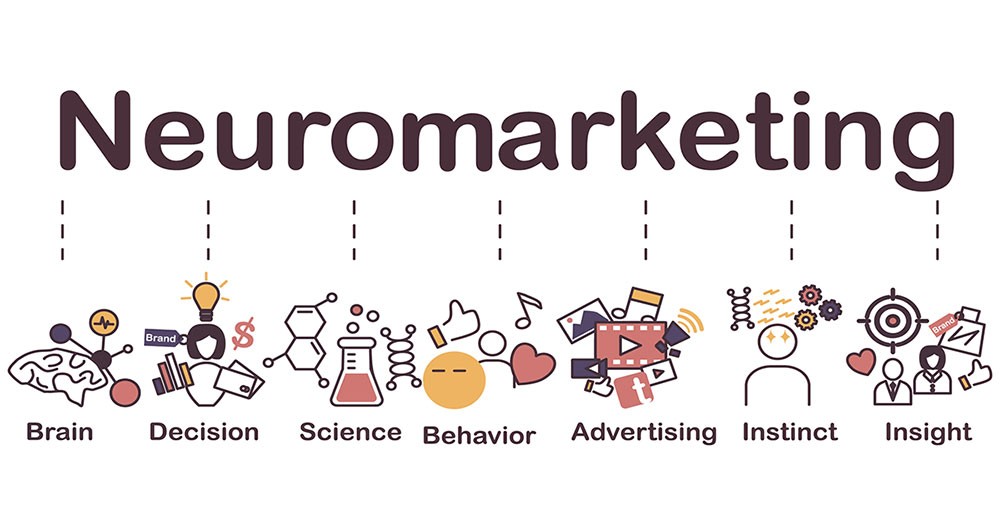
Did you know that 95% of purchasing decisions, influenced by consumer psychology and customer behaviour, are made subconsciously, according to marketers insights on consumer desires? Neuromarketing for small businesses taps into this fascinating insight. It combines psychology and marketing to understand consumer behavior better, influencing business decisions and tapping into instinct, subconscious attitudes, and search. This approach helps small businesses connect with their audience on a deeper level by understanding consumer behaviour and influencing certain consumer decisions. By leveraging emotional triggers and sensory experiences, they can craft messages that resonate.
Small businesses can boost their sales and brand loyalty using neuromarketing techniques. This post will explore actionable strategies to implement neuromarketing effectively. You’ll discover how to engage customers, improve your marketing efforts, and stand out in a crowded market. Get ready to transform your business approach and see real results.
Key Takeaways
- Neuromarketing helps small businesses understand how consumers think and feel, allowing for better-targeted marketing strategies.
- Focus on the emotional triggers that influence purchasing decisions to create more compelling advertising campaigns.
- Implement neuromarketing techniques like eye-tracking and surveys to gather insights about customer preferences and behaviors.
- Use pricing strategies that emphasize perceived value, such as charm pricing (e.g., $9.99) to attract more customers.
- Enhance products and services by incorporating feedback from neuromarketing studies to meet consumer needs effectively.
- Foster brand loyalty by creating memorable experiences that resonate emotionally with your audience.
Basics of Neuromarketing
Definition
Neuromarketing is the study of how the brain influences decision-making. It combines neuroscience and marketing. This field examines how consumers respond to marketing stimuli. By understanding these responses, businesses can tailor their marketing strategies effectively.
Scientific Methods
Researchers use scientific methods in neuromarketing. They analyze brain activity through techniques like fMRI and EEG. These methods help predict buyer behavior. For example, fMRI scans show which areas of the brain light up when viewing ads. This data reveals emotional responses to different marketing elements.
Data Utilization
The goal of neuromarketing is to leverage data for specific marketing responses. Businesses collect insights on consumer preferences and behaviors. Neuromarketing data guides companies in creating targeted campaigns. This approach increases the chances of converting leads into sales.
Neuromarketing Techniques
Several neuromarketing techniques exist to enhance marketing efforts. Eye-tracking studies identify what captures attention in advertisements. Facial coding analyzes emotional reactions to content. These techniques provide valuable feedback for refining marketing strategies.
Marketing Psychology
Understanding marketing psychology is crucial for small businesses. Consumers often make decisions based on emotions rather than logic. Neuromarketing taps into these emotional triggers. It helps create messages that resonate with the audience.
Case Studies
Famous neuromarketing case studies illustrate its effectiveness. One notable example is Coca-Cola’s “Share a Coke” campaign. The brand used consumer neuroscience research to connect emotionally with buyers. By personalizing products, they increased sales significantly.
Ethical Considerations
Ethical neuromarketing is an important aspect of this field. Companies must respect consumer privacy while collecting data. Transparency in how data is used builds trust with customers. Businesses should ensure their practices align with ethical standards.
Tips for Small Businesses
Small businesses can apply several neuromarketing tips effectively:
- Understand your target audience’s emotions.
- Use storytelling to create connections.
- Test different visuals to see what resonates.
- Analyze customer feedback and adjust strategies accordingly.
These tips help businesses engage consumers better and improve their overall marketing performance.
Neuroscientific Approach
The neuroscientific approach provides critical insights into consumer behavior. Understanding brain responses allows marketers to craft effective messages. This knowledge enhances campaign design and execution.
Understanding Consumer Behavior
Psychological Triggers
Neuromarketing helps decode the psychological triggers behind purchasing decisions. It studies how consumers think and feel when they shop. This field combines neuroscience and marketing to reveal what drives consumer actions. For instance, brain scans can show which areas activate during certain ads. Marketers gain insights into consumer reactions that traditional methods miss.
Understanding these triggers allows businesses to tailor their messages. They can create ads that resonate deeply with their audience. This approach leads to better engagement and conversion rates.
Emotions and Sensory Inputs
Emotions play a crucial role in influencing consumer choices. Research shows that feelings often guide decisions more than logic. Consumers tend to remember experiences tied to strong emotions. For example, a joyful advertisement might stick in their minds longer than a factual one.
Sensory inputs also shape consumer behavior. The sights, sounds, and smells in a store can affect buying patterns. A pleasant scent may encourage shoppers to spend more time in a store. Bright colors can attract attention and create excitement about a product.
Marketers should consider these sensory elements in their strategies. Creating an engaging atmosphere can lead to increased sales.
Pain Points and Pleasure Triggers
Understanding pain points is vital for marketers. These are the problems or frustrations consumers face. When businesses address these issues, they build trust and loyalty. For instance, if a customer struggles with time management, a service that saves time will appeal greatly.
Pleasure triggers also influence consumer behavior. These are the benefits or joys that products provide. Marketers who highlight these aspects can attract more customers. For example, a brand promoting relaxation through its products taps into a universal desire for comfort.
Businesses must identify both pain points and pleasure triggers in their target audience. Surveys and focus groups can help gather this information effectively.
Consumer Preferences
Consumer preferences vary widely among different demographics. Age, gender, and culture all play roles in shaping these behaviors. Younger consumers may prioritize sustainability while older generations might value reliability.
Marketers should analyze these consumer behaviours closely. They can use data analytics tools to track trends and shifts in preferences over time. This information allows businesses to adjust their strategies accordingly.
Benefits for Small Businesses
Data-Backed Decisions
Small businesses can significantly benefit from neuromarketing. It provides data-backed insights into consumer behavior. This allows business owners to make informed marketing decisions. Understanding how customers think helps in crafting effective strategies. For example, a small HVAC business can analyze customer preferences. This insight leads to better-targeted advertising and promotions.
By knowing what influences buying decisions, small business owners can tailor their messages. This approach increases the chances of converting potential customers into loyal ones. The use of neuromarketing techniques helps in identifying pain points. Addressing these issues directly can enhance customer satisfaction.
Cost-Effectiveness
Using publicly available neuromarketing research is cost-effective for small businesses. Many studies are accessible online without high fees. This resource allows small business owners to learn from larger enterprises without the expense. They can gather valuable information about consumer preferences and behaviors.
Small businesses do not need large budgets to implement neuromarketing strategies. By leveraging existing research, they can avoid costly mistakes. A well-informed marketing strategy often yields a higher return on investment. It allows small businesses to compete effectively with larger companies.
Improved Customer Satisfaction
Targeted marketing efforts lead to improved customer satisfaction. Neuromarketing reveals what resonates with consumers emotionally. Understanding these emotional triggers can help small businesses connect better with their audience. For instance, using imagery that evokes positive feelings can enhance brand loyalty.
When businesses address the specific needs of their customers, they build trust. This trust fosters long-term relationships, which is essential for success. Satisfied customers are more likely to recommend a business to others. Word-of-mouth referrals can be invaluable for small businesses.
Enhanced Loyalty
Neuromarketing also plays a vital role in enhancing customer loyalty. By focusing on consumer emotions, small businesses create memorable experiences. These experiences encourage repeat purchases and brand advocacy.
Business owners should track customer feedback and engagement levels regularly. This data helps refine marketing strategies over time. Adapting to changing consumer needs strengthens loyalty and retention rates.
In summary, neuromarketing offers numerous benefits for small businesses. It empowers them to make informed decisions based on consumer behavior data. Cost-effectiveness makes it accessible for smaller operations without hefty budgets. Targeted marketing enhances customer satisfaction and builds loyalty over time.
Implementing Strategies Effectively
Advertising Campaigns
Integrating neuromarketing insights into advertising campaigns can boost effectiveness. Small businesses should use data from brain research to craft messages that resonate. For example, using images or sounds that trigger positive emotions can lead to better engagement.
Businesses can analyze their target audience’s preferences. This analysis helps in creating ads that appeal to the senses. Companies like Coca-Cola have successfully used this approach by focusing on emotional storytelling. Such strategies can make a brand memorable.
Multi-Sensory Experiences
Focusing on multi-sensory experiences engages customers more deeply. Customers respond better when they experience a product through sight, sound, and touch. For instance, a coffee shop might play soft music while offering samples of their drinks. This combination creates a welcoming atmosphere.
Small businesses can also utilize scents to enhance customer experiences. Research shows that pleasant smells can increase sales. A bakery with the aroma of fresh bread encourages customers to buy more. These sensory elements create lasting impressions.
Emotional Messaging
Tailoring messages to evoke emotional responses is crucial for success. Understanding customer pain points allows businesses to connect on a deeper level. For instance, a local gym might highlight how fitness improves mental health. This approach speaks directly to potential clients’ struggles.
Emotional marketing works because it taps into human feelings. Customers often make decisions based on emotions rather than logic. By addressing fears or desires, brands can influence choices more effectively.
Measuring Results
Measuring the results of neuromarketing strategies is essential for improvement. Businesses should track customer reactions and sales performance over time. Tools like surveys and analytics help gather valuable data.
Analyzing this data reveals what works and what doesn’t. Adjusting strategies based on feedback leads to better outcomes. For example, if a specific ad campaign performs well, businesses should consider similar future efforts.
Optimizing Pricing Techniques
Price Sensitivity
Understanding price sensitivity is crucial for small businesses. This involves knowing how much customers are willing to pay for products or services. Neuromarketing principles can help here. Research shows that emotions heavily influence pricing decisions. When customers feel a strong connection to a brand, they may be more willing to pay higher prices.
Data from studies indicate that consumers often react differently to price changes based on their emotional state. For example, a customer in a good mood might overlook a higher price. Conversely, negative feelings can lead to price aversion. Small businesses should gather data on customer reactions to different pricing strategies.
Psychological Pricing
Psychological pricing techniques can significantly impact sales. One common approach is charm pricing, where prices end in .99. For instance, pricing an item at $19.99 instead of $20 makes it appear cheaper. This simple change can boost sales by creating a perception of value.
Another effective strategy is anchoring. This involves presenting a higher-priced option first. For example, if a small business offers three products—$50, $70, and $100—customers may perceive the $70 option as more reasonable after seeing the $100 anchor. This method can guide customers toward purchasing mid-range items.
Testing Models
Testing different pricing models is essential for finding what works best for your target audience. Start with A/B testing to compare two different prices for the same product. This method helps determine which price point leads to higher sales.
Consider implementing tiered pricing as well. Offering multiple options at different price levels can attract various customer segments. For example, a basic service could be priced lower, while premium features come at a higher cost. This strategy allows customers to choose based on their budget and perceived value.
Collect feedback from customers about their purchasing experiences. Use this information to refine your pricing strategies further. Continuous testing will help you adapt to changing market conditions and consumer preferences.
Enhancing Products and Services
Product Design
Neuromarketing provides insights into how customers perceive products. Businesses can apply these insights to improve product design. By understanding customer preferences, companies can create items that meet specific needs.
For example, a study found that packaging with bright colors attracts more attention. This simple change can lead to increased sales. Companies should also consider the shape and feel of their products. A comfortable grip can enhance user experience.
Problem Solving
Focusing on customer problems is key. Creating products that solve specific issues increases their value. For instance, a small business might develop a kitchen gadget that simplifies cooking tasks. This addresses a common frustration among home cooks.
Understanding customer pain points allows businesses to tailor their offerings. Conducting surveys or interviews helps gather valuable feedback. This information guides product development and ensures relevance.
Sensory Elements
Sensory elements play a significant role in product appeal. Texture, color, and sound impact customer emotions and decisions. For instance, soft textures in packaging can evoke feelings of comfort. Bright colors can create excitement or joy.
Using sensory marketing strategies enhances the overall experience. A pleasant unboxing experience can generate positive feelings toward a brand. Customers often share these experiences on social media, increasing visibility.
Quality Contribution
Quality is essential for customer satisfaction. Consumers expect products to perform well and last long. Neuromarketing shows that perceived quality affects buying decisions. If customers believe a product is high-quality, they are more likely to purchase it.
Small businesses must focus on delivering quality in every aspect. This includes materials, design, and functionality. Consistent quality builds trust and encourages repeat purchases.
Expertise Access
Access to neuromarketing expertise can benefit small businesses greatly. Collaborating with experts helps identify effective strategies for enhancing products and services. These contributions can lead to innovative solutions that stand out in the market.
Training staff on neuromarketing principles fosters a better understanding of customer needs. An informed team can make better decisions about product features and marketing tactics.

Building Brand Loyalty
Emotional Connections
Emotional connections drive brand loyalty. Small businesses can leverage these connections to create a strong brand identity. Customers often choose brands that resonate with their feelings and experiences.
For example, a local bakery may share stories about how their recipes were passed down through generations. This narrative creates a sense of nostalgia. It makes customers feel part of the story. When customers see the human side of a brand, they are more likely to connect emotionally.
Storytelling
Storytelling is a powerful tool in marketing. It helps craft narratives that resonate with customers. A compelling story can showcase a brand’s values and mission.
Consider a small clothing store that highlights its commitment to sustainability. They can share stories about how their products are made from recycled materials. This not only informs customers but also aligns with their values. When consumers relate to a brand’s story, they become more loyal.
Trust and Reliability
Trust is essential for building brand loyalty. Businesses must consistently deliver on their promises. This builds reliability over time.
A small coffee shop might promise freshly brewed coffee every morning. If they keep this promise, customers will return daily. Over time, this builds trust and strengthens the relationship between the customer and the business.
Creating trust involves transparency as well. For instance, sharing sourcing practices or ingredient lists can enhance credibility. Customers appreciate knowing where their products come from.
Customer Engagement
Engaging with customers fosters loyalty. Small businesses can utilize social media to interact directly with their audience. Responding to comments or messages shows that the business cares about its customers.
This engagement can be further enhanced through personalized marketing strategies. Sending tailored emails or special offers based on previous purchases makes customers feel valued. They are more likely to return when they see that a brand understands them.
Feedback Loop
Feedback plays a crucial role in building brand loyalty. Small businesses should actively seek customer opinions. This can be done through surveys or direct conversations.
By listening to feedback, businesses can improve their offerings. When customers see changes based on their suggestions, they feel important. This involvement fosters deeper loyalty as they become part of the brand’s journey.
Improving Customer Engagement
Effective CTAs
Neuromarketing techniques help create compelling calls-to-action (CTAs). These CTAs grab attention and encourage customers to act. Using action-oriented language can lead to higher conversion rates. For example, phrases like “Get Started Now” or “Join Us Today” spark urgency.
Colors also play a vital role in CTAs. Bright colors attract attention and stand out on websites. A/B testing different designs allows businesses to find the most effective options. Small businesses can leverage these insights to enhance their marketing strategies.
Personalized Content
Engaging customers requires personalized content. Tailoring messages based on customer preferences improves their experiences. This approach makes customers feel valued and understood.
For instance, using data from previous purchases can guide recommendations. If a customer bought running shoes, suggest related products like socks or fitness gear. This strategy increases the likelihood of repeat purchases.
Interactive experiences also boost engagement. Quizzes, polls, and surveys invite customers to participate actively. These tools not only engage but also provide valuable insights into customer preferences. The martech community emphasizes the importance of understanding customer behavior for better targeting.
Measuring Engagement
Measuring engagement metrics is crucial for refining marketing efforts. Tracking how customers interact with various marketing stimuli provides actionable insights. Metrics such as click-through rates (CTR) and conversion rates reveal what works best.
Analyzing customer feedback helps identify areas for improvement. Surveys can gauge satisfaction levels and reveal pain points in the customer journey. This information allows businesses to adjust their strategies effectively.
Using analytics tools can streamline this process. Tools like Google Analytics track website performance and user behavior. They provide detailed reports that inform decision-making.
Small businesses should focus on continuous improvement. Regularly reviewing engagement data helps refine marketing campaigns over time. This practice ensures that marketing efforts remain relevant to the target audience.
Testing Neuromarketing Online
A/B Testing
A/B testing is crucial for evaluating neuromarketing strategies. It allows small businesses to compare two versions of a webpage. One version might have a different headline, while the other uses a different image. This method helps determine which elements attract more visitors.
Testing can reveal how users respond to changes. For example, changing a call-to-action button’s color may lead to more clicks. Small businesses can use these insights to refine their websites.
Website Elements
Different website elements can significantly affect user behavior. Businesses should experiment with various headlines, images, and colors. Each element plays a role in capturing attention and guiding decisions.
For instance, studies show that bright colors often draw more attention than muted tones. Similarly, clear and concise headlines can improve engagement. By testing these aspects, businesses can discover what resonates with their audience.
User Behavior Analysis
Analyzing user behavior data provides valuable insights. It helps identify trends and patterns in how visitors interact with a website. By using tools like heatmaps or click-tracking software, businesses can see where users spend the most time.
This data informs necessary adjustments. If users frequently abandon a page, it may indicate an issue with content or layout. Making informed changes based on this analysis can enhance the overall user experience.
New Neuromarketing Applications
New neuromarketing applications are emerging as technology advances. These tools help small businesses understand customer preferences better. For example, eye-tracking technology shows where users look first on a webpage.
Such insights allow companies to optimize layouts effectively. They can position important information where it will be most noticed. This approach increases the chances of conversion.
Dedicated Neuromarketing Team
Having a dedicated neuromarketing team can amplify results. This team focuses on researching and implementing effective strategies. They stay updated on the latest neuromarketing studies and trends.
With expertise in martech, they can integrate various tools for optimal performance. Their knowledge ensures that businesses utilize the best practices for testing and analysis.
Time Investment
Investing time in neuromarketing testing yields significant benefits. Continuous testing leads to ongoing improvements in customer engagement. Small businesses should prioritize this process for long-term success.
Regularly conducting tests keeps strategies fresh and relevant. As consumer preferences change, adapting quickly is essential for staying competitive.
Summary
Neuromarketing offers small businesses a powerful tool to understand and influence consumer behavior. By applying its principles, you can enhance product appeal, optimize pricing, and build lasting brand loyalty. These strategies not only improve customer engagement but also drive sales and growth.
Now is the time to dive into neuromarketing. Start implementing these techniques today and watch your business thrive. Don’t just follow trends; set them by understanding what makes your customers tick. Explore these insights further, and take your marketing game to the next level. Your success is just a strategy away!
Frequently Asked Questions
What is neuromarketing?
Neuromarketing combines neuroscience and marketing to understand consumer behavior. It analyzes how customers’ brains respond to marketing stimuli, helping businesses tailor their strategies effectively.
How can small businesses benefit from neuromarketing?
Small businesses can gain insights into customer preferences, improve product design, and enhance marketing strategies. This leads to better engagement, increased sales, and stronger brand loyalty.
What are some effective neuromarketing strategies for small businesses?
Effective strategies include using emotional triggers in advertising, optimizing website layouts for user experience, and employing sensory branding techniques to create memorable impressions.
How does neuromarketing improve customer engagement?
By understanding how consumers think and feel, businesses can craft personalized experiences. This targeted approach increases interaction and fosters a deeper connection with the brand.
Can neuromarketing help with pricing strategies?
Yes, neuromarketing can optimize pricing by revealing how consumers perceive value. Businesses can use this knowledge to set prices that resonate more effectively with their target audience.
How do I test neuromarketing techniques online?
Testing can be done through A/B testing on websites or social media ads. Use analytics tools to measure engagement and conversion rates, adjusting strategies based on real-time data.
Is neuromarketing ethical for small businesses?
When used responsibly, neuromarketing is ethical. It focuses on understanding consumer needs rather than manipulating them. Transparency and respect for privacy should always be prioritized.