
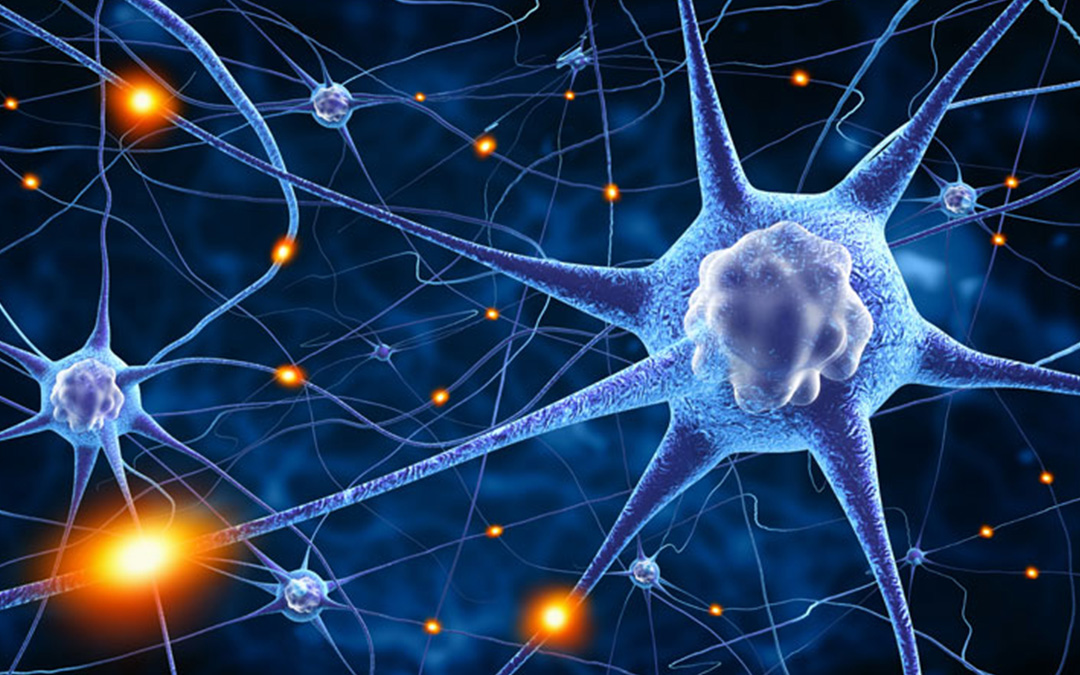
Neuroplasticity is the brain’s ability to adapt and change throughout life. This concept has gained traction in adult learning, especially in employee training programs. Understanding how neuroplasticity works can revolutionize workplace education. It allows trainers to design programs that enhance skills and retention, leveraging plasticity in the adult brain to form effective learning experiences. Historically, training methods often overlooked these brain capabilities.
Now, organizations are recognizing the plasticity and importance of tailored learning experiences. Emphasizing neuroplasticity leads to more effective training outcomes. Employees become more engaged and better equipped to handle challenges. By leveraging this knowledge, companies can foster a culture of continuous improvement and innovation. Embracing neuroplasticity not only benefits individual growth but also drives organizational success.
Key Takeaways
- Embrace neuroplasticity: Recognize that the brain can change and adapt, which is essential for adult learning and can enhance employee training programs.
- Implement diverse training techniques: Use various methods, such as hands-on activities and discussions, to engage employees and cater to different learning styles.
- Foster a growth mindset: Encourage employees to view challenges as opportunities for growth, which can improve their motivation and retention of information.
- Incorporate cognitive training: Include exercises that challenge employees’ thinking skills to boost their memory and problem-solving abilities.
- Promote mindfulness practices: Encourage techniques like meditation or focused breathing to support brain health and improve concentration in the workplace.
- Measure training effectiveness: Regularly assess the impact of training programs on employee performance to ensure continuous improvement and relevance.
Understanding Neuroplasticity
Definition
Neuroplasticity refers to the brain’s ability to change and adapt. This process occurs throughout life. It allows the brain to reorganize itself by forming new neural connections. These changes can happen due to learning, experience, or injury.
Neuroplasticity is significant in adult learning. Adults can acquire new skills and knowledge at any age. This capacity supports lifelong learning. It challenges the belief that learning slows with age. Instead, it shows that the brain remains active and capable.
Brain Reorganization
The brain’s ability to rewire itself continues throughout adulthood. This means that experiences can lead to physical changes in the brain structure. For example, when someone learns a new language, their brain forms new pathways. Studies show that adults who engage in challenging activities enhance their cognitive abilities.
Research in cognitive neuroscience highlights this phenomenon. Scientists have found that practicing tasks can strengthen existing connections. It can also create entirely new ones. As people learn, they stimulate different areas of the brain. This stimulation promotes overall brain health.
New Neural Connections
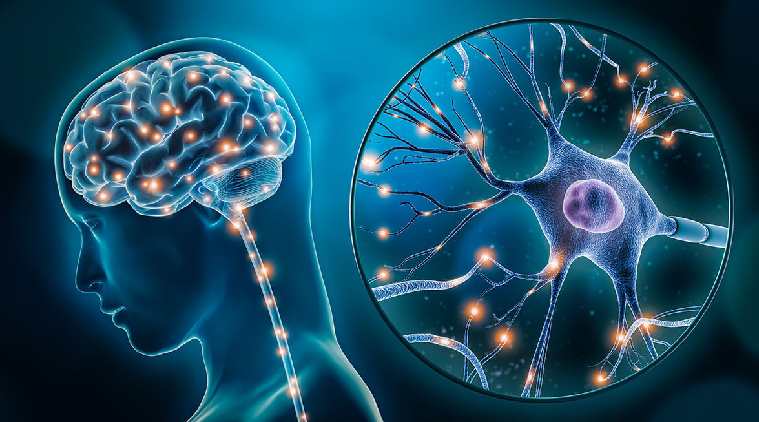
Neuroplasticity plays a crucial role in forming new neural connections and neurons. When adults learn something new, neurons communicate more effectively. They release chemicals called neurotransmitters, which help transmit signals between cells.
Neurogenesis occurs in certain areas of the brain, such as the hippocampus. This process involves the growth of new neurons from stem cells. Engaging in learning activities can enhance this process. Activities like reading, problem-solving, and social interactions boost neurogenesis.
Employee training programs can benefit from understanding neuroplasticity. Programs designed with this knowledge can improve outcomes for learners. For instance, incorporating hands-on experiences and collaborative projects fosters engagement. Such approaches encourage active participation and reinforce learning.
Moreover, understanding neuroplasticity helps tailor training methods to individual needs. Some employees may thrive with visual aids, while others prefer auditory materials. Recognizing these differences enhances the effectiveness of training programs.
Neuroplasticity and Adult Learning
Engaging Activities
Engaging in intellectually stimulating activities enhances neuroplasticity in adults. Activities like puzzles, reading, or learning a new language can create new neural connections. These connections help form new neurons, even in an aged brain. Cognitive neuroscientists show that such engagement leads to improved cognitive function.
Research indicates that adults who participate in lifelong learning exhibit better memory retention and problem-solving skills. Regularly challenging the mind can slow down the effects of neurocognitive aging. For example, older adults who take art classes often report increased creativity and cognitive flexibility.
Age-Related Changes
Age-related cognitive changes impact the learning process significantly. As individuals enter later adulthood, they may experience neural deterioration. This decline can affect memory and processing speed. However, it does not mean learning stops. Adults can still acquire new skills despite these challenges.
Studies show that the brain remains capable of change throughout life. This adaptability is crucial for personal and professional growth. Older learners may need more time to absorb information but can succeed with the right strategies.
Importance of Context
Context, relevance, and social interaction play vital roles in adult learning experiences. Adults learn best when they see the practical application of new knowledge. Training programs should align with real-world tasks to enhance relevance.
ial interaction fosters a supportive learning environment. Group discussions or team projects encourage collaboration and knowledge sharing. This approach helps learners feel connected and engaged in the process.
Moreover, providing feedback during training sessions reinforces learning change. Positive reinforcement can motivate employees to continue developing their skills.
Behavioral Development
Behavioral development is also influenced by neuroplasticity. Adults can reshape their behaviors through consistent practice and exposure to new experiences. The brain’s ability to adapt means that habits formed later in life can lead to meaningful change.
For instance, an employee learning effective communication techniques can improve teamwork dynamics. With practice, these skills become ingrained, showcasing the potential for development at any age.
In summary, understanding how neuroplasticity affects adult learning is essential for designing effective employee training programs. Engaging activities stimulate the brain and promote lifelong learning. Recognizing age-related changes helps tailor approaches for older learners. Finally, creating relevant contexts and fostering social interactions enhances the overall learning experience.
Benefits of Neuroplasticity in Training
Improved Memory
Neuroplasticity enhances memory retention in employees. When the brain forms new connections, it helps individuals remember information better. This is crucial during training sessions. Employees can learn new skills and retain them longer.
Studies show that brain training exercises improve cognitive function. For example, memory games can stimulate neural pathways. This results in better recall when needed at work. Regular engagement in these activities leads to stronger memory skills.
Problem-Solving Skills
Neural facilitation boosts problem-solving abilities. Employees who undergo training that promotes neuroplasticity develop critical thinking skills. They learn to approach challenges from different angles. This flexibility is vital in a fast-paced work environment.
Training programs that incorporate real-world scenarios can be effective. Employees practice solving problems they might face on the job. This hands-on experience reinforces their learning and builds confidence.
Complex Reasoning
Older adults benefit significantly from targeted training. Neuroplasticity allows them to develop complex reasoning skills. They can engage with challenging material that stimulates their minds.
Programs tailored for older employees often include discussions and collaborative tasks. These activities encourage deep thinking and emotional regulation. As a result, older workers feel more competent and valued in their roles.
Emotional Regulation
Emotional regulation is another area where neuroplasticity plays a role. Training that focuses on mindfulness and stress management can reshape emotional responses. Employees learn to handle workplace stress more effectively.
Workshops that teach coping strategies can lead to a healthier work environment. Participants report feeling more balanced and less overwhelmed by challenges.
Long-Term Advantages
Creating a neuroplastic environment offers long-term benefits for organizations. Companies that invest in employee development see higher productivity levels. A workforce that embraces continuous learning adapts better to change.
Moreover, fostering a culture of growth encourages innovation. Employees are more likely to share ideas and take risks when they feel supported.
Implementing programs focused on neuroplasticity strengthens team dynamics too. Workers collaborate more effectively when they understand each other’s strengths and weaknesses.
Enhancing Employee Learning and Memory
Strategies for Retention
Effective strategies can boost memory retention in employees. Engaging the brain through various activities enhances neuroplasticity. For instance, using visual aids can help employees remember complex information. Visuals create mental images that are easier to recall later.
Incorporating storytelling into training sessions also proves beneficial. Stories create emotional connections with the material. This connection increases the likelihood of remembering the information. Moreover, breaking down information into smaller chunks aids in retention. Employees can focus on one piece at a time, making it less overwhelming.
Varied Learning Methods
Diverse learning methods cater to different cognitive strengths among employees. Some individuals may learn best through hands-on experiences. Others might excel with auditory instructions or written materials. Offering a mix of these methods ensures everyone benefits from the training.
For example, incorporating group discussions allows for collaborative learning. Employees can share insights and perspectives, enriching their understanding. Online modules provide flexibility for self-paced learning. This approach respects individual learning preferences and schedules.
Regular Practice and Reinforcement
Regular practice is essential for solidifying learning outcomes. Repeated exposure to new skills enhances memory pathways in the brain. Scheduling follow-up sessions helps reinforce what was learned during initial training.
Using spaced repetition techniques also supports long-term retention. Employees revisit material over increasing intervals. This method strengthens memory by preventing forgetting.
Feedback plays a critical role in this process too. Providing constructive feedback encourages improvement and builds confidence. Employees feel more motivated when they see progress in their skills.
Real-Life Applications
Real-life applications of learned skills further enhance memory retention. Involving employees in projects where they apply new knowledge reinforces learning. For instance, if an employee learns about customer service techniques, applying them directly in real scenarios helps solidify that information.
Mentoring programs can support ongoing development. Experienced employees can guide newer staff members, promoting knowledge transfer. This interaction not only benefits the mentee but also reinforces the mentor’s knowledge.
Techniques for Effective Training Programs
Tailoring Programs
Surveys and interviews can help tailor training programs. These tools gather information about individual learning preferences. Understanding how employees learn best increases the effectiveness of training. For example, some may prefer visual aids while others benefit from hands-on activities. By identifying these preferences, companies can create more personalized experiences.
Multisensory Approaches
Integrating multisensory approaches enhances employee engagement. This method involves using multiple senses during training. For instance, combining visual elements with auditory instructions can boost retention. Studies show that engaging more senses leads to better skill acquisition. Employees remember information longer when they experience it through different forms.
Emotionally Resonant Content
Creating emotionally resonant content is crucial for motivation. Training materials should connect with employees on a personal level. Stories or real-life examples can make concepts relatable. When employees feel an emotional connection, they are more likely to engage fully in the learning process. This connection can also lead to improved performance in their roles.
Longitudinal Training Studies
Longitudinal training studies provide insights into long-term effectiveness. These studies track employee progress over time. They reveal how skills develop and change with ongoing training. Companies can adjust their programs based on this data. Understanding the long-term impact helps organizations invest wisely in employee development.
Technology as a Tool
Technology plays a vital role in modern training programs. Online platforms offer flexibility and accessibility for employees. They allow employees to learn at their own pace, which is crucial for adult learners. Interactive tools such as quizzes or simulations can reinforce learning and provide immediate feedback.
Principles of Adult Learning
Principles of adult learning should guide program design. Adults bring prior knowledge and experiences to the learning environment. Training should acknowledge this background and build upon it. Programs that respect these principles will likely yield better results.
Program Evaluation
Regular evaluation of training programs is necessary for continuous improvement. Feedback from participants helps identify strengths and weaknesses in the program. This evaluation should include both qualitative and quantitative measures to ensure comprehensive insights.
Role of Cognitive Training
Definition
Cognitive training refers to exercises designed to improve mental processes. These processes include memory, attention, and problem-solving skills. Cognitive training capitalizes on the brain’s ability to adapt and change. This adaptability is known as neuroplasticity.
Relevance to Employee Development
Cognitive training plays a vital role in employee development. It helps individuals enhance their cognitive skills. Improved cognitive performance leads to better workplace efficiency. Employees can learn new tasks more quickly. They also adapt to changes in their job roles more effectively.
Evidence of Effectiveness
Research supports the effectiveness of cognitive exercises. A study published in “Psychological Science” found that participants who engaged in cognitive training showed significant improvements in their work-related skills. These improvements included better decision-making and increased productivity.
Moreover, a meta-analysis conducted by the American Psychological Association revealed that cognitive training leads to cognitive gains across various age groups. Employees who participated in these programs reported enhanced job satisfaction and performance levels.
Gamified Training Methods
Gamified training methods make learning enjoyable. These methods incorporate game elements into training programs. Employees often find these techniques engaging and motivating.
For example, companies like Deloitte use gamification in their training sessions. They report higher participation rates and improved retention of knowledge among employees. The fun aspect of games encourages workers to stay focused and committed.
Cognitive Skills Development
Cognitive skills development is essential for adapting to workplace challenges. Training programs should focus on enhancing specific skills like critical thinking and creativity.
Employees exposed to targeted cognitive training exhibit greater problem-solving abilities. They navigate complex situations with confidence. This skill set is crucial in today’s fast-paced work environment.
Addressing Cognitive Aging
Cognitive aging affects many employees as they grow older. However, regular cognitive training can mitigate its effects. Engaging in mental exercises helps maintain cognitive function over time.
A study from the University of Illinois found that older adults who participated in cognitive training experienced less decline in mental abilities compared to those who did not train cognitively.
Mindfulness and Brain Health
Cognitive Benefits
Mindfulness practices can greatly enhance brain activity and cognitive function. These techniques promote focus and clarity. Research shows that engaging in mindfulness can lead to improved brain development, especially in adults. Regular practice helps create new neural connections. This process is known as neuroplasticity.
Practicing mindfulness increases dopamine levels in the brain. Dopamine is a key neurotransmitter that affects mood and motivation. Higher dopamine levels may lead to better learning outcomes. Employees who engage in mindfulness often report feeling more energized and motivated at work.
Stress Reduction
Incorporating mindfulness techniques into training programs can significantly reduce stress. Stress negatively impacts brain function and learning ability. Mindfulness helps employees manage their stress levels effectively. Techniques such as meditation or breathing exercises can be integrated into daily routines.
These practices help create a new brain routine that fosters resilience. Employees learn to respond calmly to challenges instead of reacting impulsively. By reducing stress, they can focus better on tasks at hand.
Emotional Regulation
Research links mindfulness with enhanced emotional regulation. Mindfulness allows individuals to observe their thoughts without judgment. This skill leads to improved decision-making skills. Employees become more aware of their emotions during stressful situations.
Mindfulness training can improve interpersonal relationships at work too. Better emotional regulation leads to more effective communication. Employees learn how to express themselves clearly and listen actively.
Growth Mindset
Cultivating a growth mindset is essential for adult learners. Mindfulness encourages this mindset by promoting self-reflection and awareness. Employees become more open to feedback and learning opportunities.
Training programs that include mindfulness practices support this growth mindset. They foster an environment where employees feel safe to make mistakes and learn from them. This approach enhances overall performance and job satisfaction.
Practical Implementation
Organizations should consider practical ways to implement mindfulness in training programs. Here are some suggestions:
- Offer short guided meditation sessions.
- Include breathing exercises in meetings.
- Provide resources for mindfulness apps or workshops.
By integrating these techniques, companies can create a healthier work environment. Employees will benefit from reduced stress, improved focus, and enhanced emotional regulation.
Improving Workplace Performance
Neuroplasticity Benefits
Neuroplasticity plays a significant role in increasing adaptability among employees. This ability allows the brain to reorganize itself by forming new connections. As a result, employees can adjust to new tasks and challenges more effectively. This is crucial in a rapidly changing modern workplace. Employees who embrace neuroplasticity are often better equipped to learn new skills. They can adapt to various roles within their teams.
Continuous Learning
Workplace training must promote continuous learning opportunities. Organizations should foster a culture of growth and development. Employees need access to resources that enhance their skills regularly. This approach encourages engagement and motivation. It also supports career advancement for individuals seeking to progress in their fields. For example, companies can offer workshops, online courses, or mentoring programs. These activities help employees acquire new skills while boosting productivity.
Evaluating Training Programs
Ongoing evaluation of training programs is essential. Organizations must ensure these programs meet evolving employee needs. Regular assessments allow companies to identify gaps in knowledge or skills. Feedback from employees can guide improvements in training content and delivery methods. By adapting training strategies, organizations can maximize the effectiveness of workplace learning.
Behavioral Improvement
Effective workplace training leads to behavioral improvement among employees. When workers develop new skills, they become more confident in their abilities. This confidence translates into better performance on the job. Employees who feel competent are likely to engage more with their work and teams. Increased engagement fosters collaboration and innovation within the workplace.
Productivity Gains
Investing in workplace training yields significant productivity gains. Employees who continuously learn are more efficient in their roles. They can tackle challenges head-on and find creative solutions quickly. This not only benefits individual employees but also enhances overall team performance.
Career Progression Opportunities
Offering robust training programs creates career progression opportunities for employees. Workers see a clear path for advancement when they receive ongoing support for skill development. This clarity motivates them to pursue further learning actively. As they develop professionally, organizations benefit from retaining skilled employees.
Final Remarks
Neuroplasticity is a game changer for adult learning and employee training. Understanding how your brain can adapt and grow helps you design better training programs. You can enhance learning, memory, and overall performance by incorporating techniques like cognitive training and mindfulness. These strategies not only boost individual capabilities but also foster a more productive workplace.
Now is the time to leverage this knowledge. Start implementing neuroplasticity principles in your training programs today. Invest in your employees’ growth and watch your organization thrive. Embrace these insights and create a culture of continuous learning that keeps your team ahead of the curve. Your commitment to this approach will pay off in spades!
Frequently Asked Questions
What is neuroplasticity?
Neuroplasticity is the brain’s ability to reorganize itself by forming new neural connections. This adaptability allows for learning and recovery from injuries, making it crucial in adult learning contexts.
How does neuroplasticity affect adult learning?
Neuroplasticity enhances adult learning by allowing individuals to acquire new skills and knowledge throughout their lives. It supports memory retention and the ability to adapt to changing environments.
What are the benefits of incorporating neuroplasticity into employee training programs?
Incorporating neuroplasticity into training programs leads to improved learning outcomes, better retention of information, and enhanced problem-solving skills among employees, ultimately boosting workplace performance.
What techniques can enhance neuroplasticity in training?
Techniques such as spaced repetition, active engagement, and varied practice can enhance neuroplasticity. These methods encourage deeper learning and help reinforce new skills effectively.
How does cognitive training relate to neuroplasticity?
Cognitive training exercises stimulate brain activity, promoting neuroplasticity. This type of training helps improve cognitive functions like memory, attention, and problem-solving abilities in employees.
Can mindfulness practices improve neuroplasticity?
Yes, mindfulness practices such as meditation can enhance neuroplasticity. They promote mental clarity, reduce stress, and improve focus, all of which contribute to better learning experiences.
How does improving neuroplasticity impact workplace performance?
Improving neuroplasticity leads to better adaptability and skill acquisition among employees. This results in increased efficiency, creativity, and overall workplace performance, benefiting both individuals and organizations.