
Implementing green practices in small businesses is crucial today. Many small enterprises seek ways to balance sustainability and profitability through sustainable business models, sustainable strategies, and sustainable operations to become a sustainable company. Historically, businesses often prioritized profit over environmental concerns. However, the tide has shifted. Consumers now demand eco-friendly products and services. This change pushes small businesses to adopt greener methods.
These practices not only help the planet but also attract customers and reduce costs. From energy-efficient solutions to sustainable operations and waste reduction strategies, every step counts for business sustainability. Small businesses can thrive while being responsible stewards of the environment. This blog post will explore effective strategies for integrating sustainability into your business model without sacrificing profits.
Key Takeaways
- Start small by implementing low-cost changes, such as reducing paper use and switching to energy-efficient lighting, to kickstart your green journey.
- Focus on balancing sustainability and profit by identifying eco-friendly practices that can also save money, enhancing your bottom line.
- Integrate sustainability into your business model to create a long-term strategy that aligns with your brand values and attracts environmentally-conscious customers.
- Utilize technology to streamline green initiatives, such as using software for energy management or adopting online tools to minimize waste.
- Invest in energy efficiency upgrades, as they can significantly reduce operational costs while contributing to a greener planet.
- Measure and report your sustainable efforts regularly to track progress and demonstrate commitment to stakeholders, which can enhance your business reputation.
Understanding Sustainability in Business
Definition
Sustainability means operating in a way that protects the environment while ensuring economic growth. It includes how a business manages its resources, treats its employees, and interacts with the community. Sustainable business practices focus on long-term health rather than short-term profits. This approach is vital for small business sustainability.
Interpretations of Sustainability
Different companies interpret sustainability in various ways. Some may emphasize environmental sustainability. Others may focus on social responsibility or economic sustainability. A small business might prioritize local sourcing to support the community. Aligning these interpretations with company values is crucial. Defining a clear sustainability vision helps guide decisions.
Brand Reputation
Implementing sustainable practices can significantly improve brand reputation. Customers today prefer brands that demonstrate commitment to sustainability. They are more likely to become loyal if they see genuine efforts toward sustainable operations. Positive brand perception can lead to increased customer retention, new customer acquisition, and business sustainability.
Customer Loyalty
A strong sustainability mindset can enhance customer loyalty. When customers feel aligned with a brand’s values, they tend to stick around. For instance, businesses that use sustainable products often attract eco-conscious consumers. These customers appreciate transparency in sourcing and production methods. They are willing to pay more for products that reflect their values of business sustainability.
Impact of Sustainable Practices
Sustainable practices can also lead to cost savings over time. Efficient energy use reduces utility bills, while waste reduction lowers disposal costs. Small businesses adopting these strategies often find they can improve their bottom line while being environmentally friendly.
Challenges Faced
Despite the benefits, many face challenges when implementing sustainability practices. Limited budgets can restrict options for sustainable sourcing or green technology investments. Some may struggle with employee engagement in sustainability initiatives. Addressing these challenges requires clear communication and ongoing education about the importance of sustainability.
Measuring Performance
Assessing sustainability performance is essential for improvement. Businesses should track their progress in implementing sustainable practices. Metrics could include waste reduction rates, energy savings, or the percentage of sustainable suppliers used. Regular evaluation helps identify areas for growth and reinforces commitment to sustainability goals.
Importance of Balancing Sustainability and Profit
Profitability Link
Sustainability initiatives directly impact overall profitability. Businesses that adopt green practices often see a boost in their profit margins. For instance, reducing energy consumption lowers utility bills. This leads to significant cost savings over time.
Many small businesses find that sustainable practices attract new customers. Consumers are increasingly choosing brands that prioritize the environment. This shift in consumer behavior can directly increase sales. Companies that promote their eco-friendly efforts often enjoy increased loyalty from their customers.
Cost Savings
Sustainable practices lead to operational efficiencies. Implementing energy-efficient technologies saves both time and money. For example, using LED lighting reduces energy costs significantly compared to traditional bulbs.
Investing in renewable energy sources, like solar panels, can also yield long-term savings. While the initial investment may seem high, the return on investment becomes evident as energy costs decrease over time.
Businesses can reduce waste through recycling and composting programs. These programs not only save on disposal fees but also enhance the company’s image as an environmentally responsible entity.
Market Competitiveness
Sustainable branding enhances market competitiveness. Companies that emphasize their commitment to sustainability stand out in crowded markets. This differentiation can attract environmentally conscious consumers.
For example, brands like Patagonia have built strong reputations by prioritizing sustainability. Their focus on ethical sourcing and environmental responsibility has led to increased revenue and customer loyalty.
Moreover, many consumers are willing to pay more for products from sustainable brands. Research shows that 66% of global consumers are willing to spend more on sustainable goods. This willingness translates into higher sales for businesses that effectively communicate their green initiatives.
Challenges and Solutions
Balancing sustainability with profitability does come with challenges. Small businesses often face resource constraints when implementing green practices. However, these challenges can be managed with strategic planning.
- Set clear goals: Define specific sustainability targets aligned with business objectives.
- Monitor progress: Regularly assess the effectiveness of implemented practices.
- Engage employees: Foster a culture of sustainability among staff for better implementation.
Start with Low-Cost Changes
Incremental Changes
Small businesses can begin their sustainability journey with incremental changes. These are simple adjustments that do not require a large investment. Switching to energy-efficient light bulbs is one example. This change reduces energy consumption and lowers electricity costs.
Another option is to implement a paperless system. Digital invoicing and communication can save money on paper and printing supplies. These small steps can lead to significant cost reductions over time.
Team Participation
Encouraging team participation is crucial for success. Employees should feel involved in eco-friendly practices. Creating a green committee can help foster this engagement. The committee can brainstorm ideas for sustainable initiatives.
Daily practices like reducing waste or recycling should be promoted. Encourage staff to bring reusable containers for lunch. This not only cuts costs but also builds a culture of sustainability within the workplace.
Tracking Effectiveness
Tracking the effectiveness of these changes is essential. Businesses should monitor how much they save on expenses after implementing new practices. Keeping records helps identify which strategies work best.
For example, if switching to energy-efficient lighting saves $100 monthly, that’s a clear impact on the bottom line. Use this data to motivate further efforts toward sustainability.
Cost Impact
Understanding the cost impact of green initiatives is important. Some changes may require an initial investment but lead to long-term savings. For instance, installing solar panels may seem expensive upfront but drastically reduces electricity bills over time.
Businesses must evaluate their budget before starting new projects. They should focus on changes that fit within their financial limits while still making an impact.
Long-Term Approach
A long-term approach is vital for sustainability efforts. Small businesses should view these changes as stepping stones toward larger goals. Each initiative builds momentum for more extensive projects later.
By starting small, businesses can gradually incorporate more comprehensive strategies into their operations. This method allows them to adapt without overwhelming their resources.
Core Problem Resolution
Addressing the core problem of waste and inefficiency is key. Small actions can lead to bigger transformations in business practices. By focusing on eco-friendly solutions, businesses can improve their operations while being mindful of costs.
Involving employees in these decisions creates a sense of ownership and responsibility. It encourages everyone to think about their environmental impact daily.
Integrate Sustainability into Business Model
Core Strategy
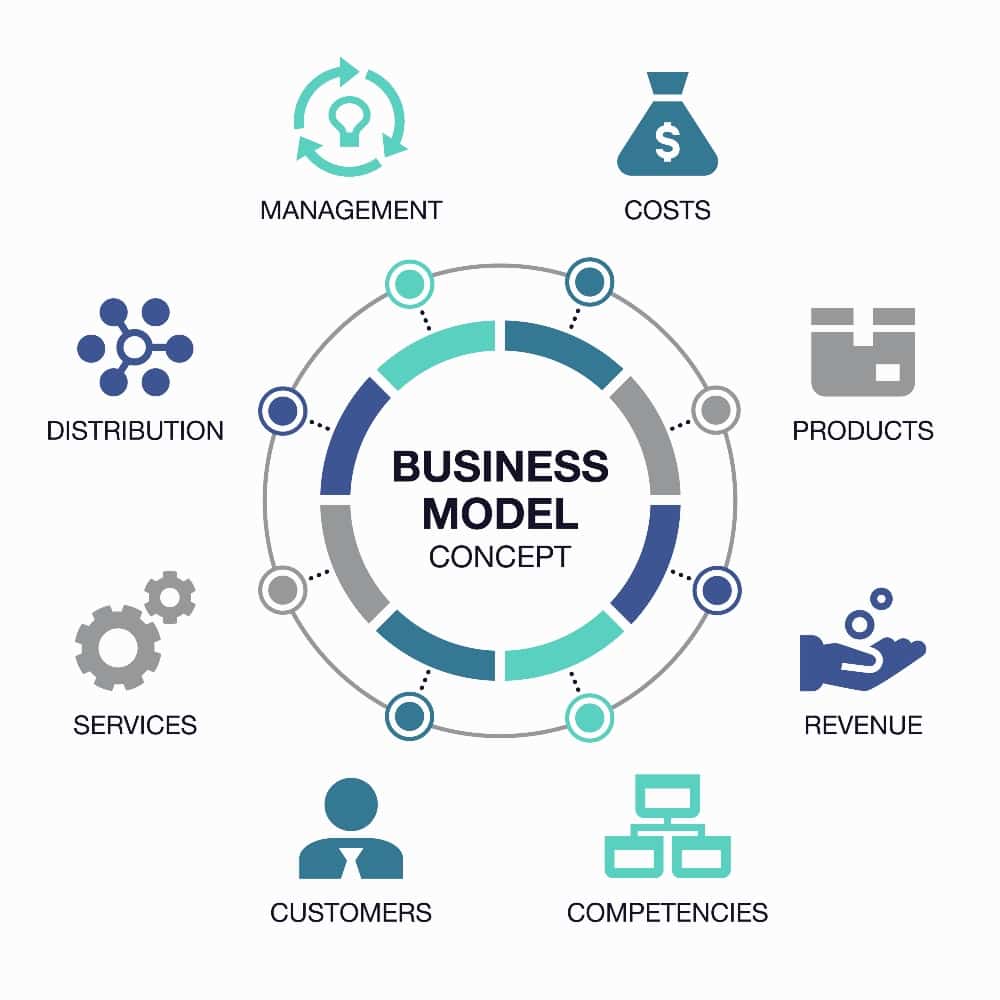
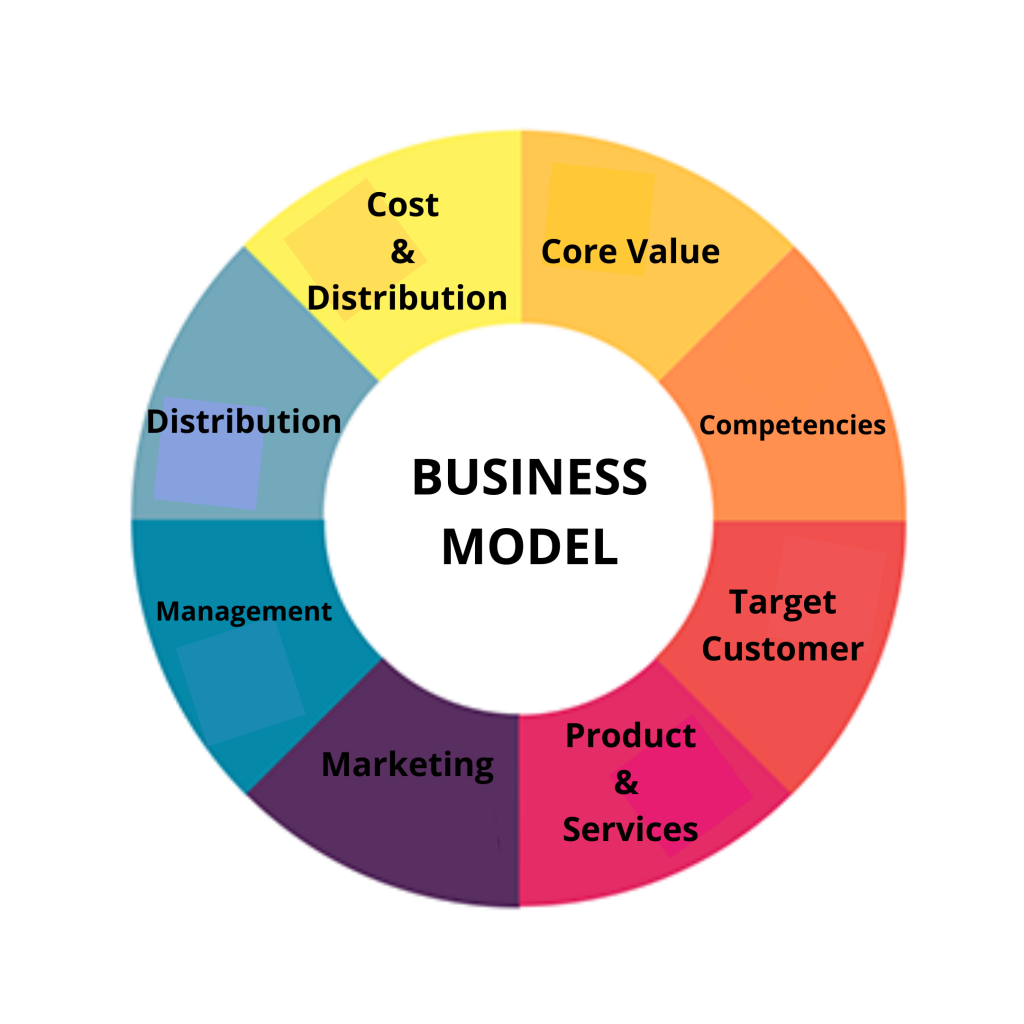
Embed sustainability into your core business model. This means making it a key part of how you operate. Small businesses can do this by adopting sustainable business approaches. These approaches focus on reducing waste and conserving resources. For example, a coffee shop might switch to compostable cups. This simple change reflects a commitment to sustainability.
Aligning sustainability goals with overall business objectives is crucial. A clear connection helps ensure that both efforts support each other. When businesses set aggressive sustainability goals, they often find new opportunities for growth. For instance, a local bakery could aim to source ingredients from nearby farms. This not only reduces carbon emissions but also supports the community.
Communication
Communicate your commitment to sustainability effectively. Share your small business sustainability strategy with stakeholders and customers. Transparency builds trust and loyalty. Use social media and newsletters to highlight your sustainable practices. Showcasing these initiatives can attract eco-conscious consumers.
For example, a clothing store might share stories about its sustainable product development process. Customers appreciate knowing where their products come from and how they are made. This transparency can lead to increased sales and customer retention.
Sustainable Practices
Implement small business sustainability practices in daily operations. Focus on energy efficiency, waste reduction, and responsible sourcing. Simple steps like using LED lighting or recycling materials can make a difference. These actions contribute to a larger sustainability strategy.
Consider creating a small business sustainability plan. This plan should outline specific initiatives and goals. Regularly review and adjust the plan based on results and new opportunities.
Social Responsibility
Incorporating social responsibility into your business model enhances your brand image. Customers want to support businesses that care about the environment and society. A restaurant could partner with local charities for food donations. This initiative not only helps the community but also promotes the business’s values.
Engaging in sustainable solutions can also improve employee morale. Workers feel proud to be part of a company that prioritizes environmental health. This pride can lead to increased productivity and lower turnover rates.
Sustainability Steps
Follow these key sustainability steps:
- Assess current practices.
- Set clear, measurable goals.
- Implement changes gradually.
- Monitor progress regularly.
- Adjust strategies as needed.
Each step strengthens the overall approach to sustainability in your business.
Leverage Technology for Green Initiatives
Digital Tools
Digital tools play a crucial role in promoting sustainability. These tools help businesses track their environmental impact. They can monitor energy usage, waste production, and resource consumption in real-time.
Many companies use software solutions to optimize resource management. For instance, cloud-based platforms allow businesses to analyze data quickly. This leads to better decision-making and reduced waste. Tools like these make it easier for small businesses to implement green practices.
Smart Systems
Smart building systems are another way to enhance sustainability. These systems control lighting, heating, and cooling automatically. They adjust based on occupancy and weather conditions. This leads to significant energy savings.
Businesses that adopt smart systems often see a decrease in utility costs. A study from the U.S. Department of Energy found that smart technologies can reduce energy usage by up to 30%. This reduction not only benefits the environment but also improves profitability.
Innovative Practices
Innovation is key when implementing green initiatives. Small businesses should explore new technologies that support energy efficiency. For example, LED lighting uses less power than traditional bulbs. It also lasts longer, reducing the need for replacements.
Another innovation is the use of friendly products. Many businesses now choose eco-friendly materials for their operations. This includes everything from packaging to cleaning supplies. By using sustainable products, companies can attract environmentally conscious consumers.
Remote Work
Remote work has gained popularity recently. It offers an opportunity for businesses to reduce their carbon footprint. Fewer employees commuting means less traffic congestion and lower emissions.
Companies can leverage remote work as part of their sustainability strategy. By investing in digital transformation initiatives, they can maintain productivity without needing large office spaces. This shift not only saves costs but also aligns with green goals.
Philanthropic Activities
Engaging in philanthropic activities can also enhance a company’s green image. Businesses can partner with local organizations for environmental programs. This involvement shows commitment to sustainability beyond just profits.
Participating in community clean-ups or tree-planting events builds goodwill. It also fosters a positive company culture focused on growth and responsibility.
Invest in Energy Efficiency
Conduct Energy Audits
Energy audits help identify areas needing improvement in energy consumption. A professional audit assesses current usage across all operations. This includes examining lighting, heating, and cooling systems.
Businesses can pinpoint where they waste the most energy. For example, an outdated HVAC system may consume more power than necessary. By discovering these inefficiencies, companies can take action to reduce their energy expenses.
Prioritize Equipment Investments
Investing in energy-efficient equipment is crucial for small businesses. Upgrading to LED lighting can significantly lower electricity costs. These lights use less energy and last longer than traditional bulbs.
Renewable energy sources also offer great benefits. Solar panels can provide clean energy and reduce reliance on the grid. Initial installation costs may seem high, but savings accumulate over time. Many businesses see a return on investment within a few years.
Analyze Financial Benefits
Energy efficiency initiatives lead to long-term financial gains. Lower utility bills improve cash flow and free up resources for other needs. Companies that adopt these practices often report increased profitability.
For instance, a bakery that switches to energy-efficient ovens may save hundreds of dollars monthly. These savings can be reinvested back into the business or used for employee training.
Focus on Resource Efficiency
Resource efficiency goes beyond just saving energy. It involves using materials wisely and minimizing waste. Small changes can make a big difference in overall sustainability.
Implementing recycling programs reduces waste and lowers disposal costs. Using eco-friendly packaging attracts environmentally conscious customers. This strategy not only enhances brand image but also drives sales.
Win-Win Situation
Balancing sustainability with profitability creates a win-win situation for small businesses. Investing in energy efficiency leads to cost savings while supporting environmental goals.
Companies that embrace this approach often gain a competitive edge in their market. Customers increasingly prefer brands committed to eco-friendly practices.
Adopt Circular Economy Practices
Circular Economy Model
Businesses can shift towards a circular economy model. This approach focuses on reducing waste and reusing materials. Instead of following a linear path of take, make, and dispose, small businesses can create systems that keep products in use longer. For example, companies like Patagonia encourage customers to return worn-out clothing for repair or recycling. This not only reduces waste but also builds customer loyalty.
Shifting to this model requires careful planning. Small businesses should assess their current practices. They can identify areas where they can reduce waste. Simple steps include using recycled materials in products or designing items for easy disassembly. These changes help minimize environmental impact while saving costs.
Sustainable Supply Chain
Collaboration is key when adopting sustainable practices. Small businesses should work closely with suppliers and partners to create a sustainable supply chain. This means choosing suppliers who prioritize eco-friendly practices. For instance, sourcing materials locally reduces transportation emissions and supports the community.
Businesses can share resources with other companies. This could involve sharing warehouse space or equipment. Such partnerships lead to reduced costs and lower carbon footprints. The goal is to create a network of businesses committed to sustainability.
Employee Education
Educating employees plays a vital role in implementing green practices. Businesses need to teach staff about the importance of recycling and responsible consumption. Training sessions can cover topics like proper waste segregation and energy conservation techniques.
Employees who understand the impact of their actions are more likely to adopt sustainable habits at work. For example, setting up recycling bins and encouraging their use can lead to significant reductions in waste.
Moreover, businesses can organize workshops on sustainable practices. This helps foster a culture of sustainability within the company. Employees become advocates for green initiatives both at work and in their personal lives.
Activities for Implementation
Implementing these practices involves specific activities that promote sustainability. Here are some effective strategies:
- Conduct an audit of current waste management practices.
- Set clear goals for reducing waste and increasing recycling rates.
- Engage employees through regular training and updates on sustainability efforts.
- Monitor progress by tracking waste reduction metrics over time.
- Celebrate successes within the business to motivate continued efforts.
Measure and Report Sustainable Efforts
Establish KPIs
Businesses need to establish key performance indicators (KPIs) to track their sustainability progress. These metrics help measure the effectiveness of sustainability measures. Common KPIs include energy consumption, waste reduction, and water usage. Tracking these indicators allows businesses to see where they stand.
Regular reviews of these KPIs ensure that companies remain aligned with their sustainability goals. Adjustments can be made based on the data collected. This proactive approach fosters a culture of accountability within the organization.
Reporting Initiatives
Transparency is vital for building trust with stakeholders. Regularly reporting on sustainability initiatives keeps everyone informed. This includes employees, customers, and investors. Reports should detail efforts made, challenges faced, and successes achieved.
Using clear and straightforward language in reports helps convey information effectively. Visual aids like charts or graphs can enhance understanding. Stakeholders appreciate knowing how their investments contribute to sustainable performance.
Data-Driven Insights
Data-driven insights play a crucial role in refining sustainability strategies. Analyzing collected data reveals trends and areas needing improvement. This process helps businesses adapt their approaches over time.
For instance, if a company notices high energy consumption in certain departments, it can implement targeted solutions. These may include upgrading equipment or introducing energy-efficient practices. By continuously analyzing data, businesses can enhance their sustainability efforts while maintaining profitability.
Commitment to Improvement
A strong commitment to sustainability should be evident in all business operations. Companies must integrate sustainability into their core values and daily work routines. This commitment encourages employee engagement and drives innovation.
Creating a culture that prioritizes sustainability can lead to new ideas and initiatives. Employees who feel invested in these goals often contribute valuable insights. This collaborative atmosphere fosters creativity and enhances overall performance.
Long-Term Goals
Setting long-term sustainability goals is essential for lasting impact. Short-term wins are important but should align with broader objectives. Businesses should consider how their actions today affect future generations.
Long-term goals might include achieving carbon neutrality or zero waste by a specific date. These ambitious targets inspire action and motivate teams to innovate. The journey toward these goals requires dedication and continuous evaluation.
Closing Thoughts
Implementing green practices in your small business is not just about being eco-friendly; it’s about smart strategy. Balancing sustainability with profitability can set you apart. Start with simple changes and gradually integrate them into your model. Use technology to boost efficiency and embrace circular economy principles. This not only enhances your brand but attracts conscious consumers.
Now is the time to take action. Measure your efforts and report them to showcase your commitment. Your business can thrive while making a positive impact on the planet. Dive into green practices today and watch your profits grow alongside your sustainability efforts. Let’s make a difference together!
Frequently Asked Questions
What are green practices for small businesses?
Green practices include eco-friendly initiatives like reducing waste, conserving energy, and sourcing sustainable materials. These actions help minimize environmental impact while enhancing brand reputation.
Why is balancing sustainability and profit important?
Balancing sustainability and profit ensures long-term viability. Sustainable practices can reduce costs, attract customers, and improve brand loyalty, leading to increased profitability.
How can small businesses start with low-cost changes?
Small businesses can implement simple changes like reducing paper use, switching to LED lighting, or encouraging remote work. These actions require minimal investment but yield significant benefits.
What does it mean to integrate sustainability into a business model?
Integrating sustainability means embedding eco-friendly practices into core operations. This approach ensures that environmental considerations guide decision-making and strategy development.
How can technology aid in green initiatives?
Technology can streamline processes, optimize resource use, and enhance communication of sustainability efforts. Tools like energy management systems help monitor consumption and identify areas for improvement.
What are circular economy practices for small businesses?
Circular economy practices involve reusing materials, recycling products, and minimizing waste. This approach not only conserves resources but also opens new revenue streams through innovative product offerings.
Why should businesses measure their sustainable efforts?
Measuring sustainable efforts allows businesses to track progress, identify strengths and weaknesses, and communicate achievements to stakeholders. This transparency fosters trust and encourages continuous improvement.