

B2B cognitive load optimization is essential for improving decision-making, consumer engagement, and productivity in the business world while ensuring a seamless customer experience. Companies face information overload daily, making it tough to focus on consumer engagement, customer experience, and what truly matters within cognitive processing capacity at work. By simplifying processes and reducing unnecessary complexity, organizations can enhance employee performance and satisfaction, improve consumer engagement, optimize cognitive load ux, and better utilize team cognitive resources.
This blog post explores effective strategies for optimizing cognitive load in B2B settings, enhancing consumer engagement and product marketing on an ecommerce site with the team. We will cover practical tips, tools, and techniques that can help streamline workflows for the team and improve clarity while considering cognitive load ux and cognitive resources on an ecommerce site. Discover how to create a more efficient work environment that fosters better collaboration and innovation. Let’s dive into actionable insights that can transform your business operations for the better.
Key Takeaways
- Understand the concept of cognitive load and its impact on B2B interactions to improve decision-making and user experience.
- Recognize the importance of reducing cognitive load to enhance productivity and satisfaction for your clients and team members.
- Be aware of psychological factors that contribute to cognitive overload, such as too much information or complex choices.
- Identify specific factors that increase cognitive load, including design flaws and excessive instructions, to address them effectively.
- Implement strategies to reduce cognitive load, such as simplifying content and improving UX design for clearer navigation.
- Continuously enhance user experience by applying tips from the article, ensuring your B2B processes are efficient and user-friendly.
Understanding Cognitive Load in B2B
Definition
Cognitive load refers to the mental effort needed to process information and complete tasks. This concept is crucial in understanding how people learn and make decisions. It involves working memory, which has limited capacity. When cognitive load is too high, it can hinder performance.
Relevance in B2B
Cognitive load plays a significant role in B2B contexts. Here, complex decision-making is common. Business professionals often face numerous options and data points. They need to evaluate these carefully before making decisions. High cognitive load can lead to confusion and indecision. This is especially true when dealing with global customer marketing strategies, where multiple factors must be considered.
Negative Effects
High cognitive load negatively impacts user experience and business outcomes. When users feel overwhelmed, they may struggle to engage effectively with content or tools. This can lead to poor decision-making. For example, a sales team might miss important insights due to information overload.
Businesses may see lower conversion rates as potential clients abandon their processes. If the information presented is too complex or dense, users may not fully digest it. This results in missed opportunities for engagement and sales.
Reducing cognitive load can improve user experience significantly. Simplifying content helps users focus on what matters most. Clear visuals and concise language can aid comprehension. As a result, businesses can expect better outcomes.
The Importance of Cognitive Load
User Experience
Cognitive load plays a crucial role in shaping user experience (UX). It refers to the amount of mental effort required to process information. High cognitive load can overwhelm users. This often leads to confusion and frustration. Users may abandon their tasks if they feel lost or stressed.
Optimizing cognitive load can enhance UX significantly. Clear information and straightforward navigation help users feel more comfortable. This leads to cognitive ease, where users find it easier to make decisions. A well-designed interface reduces unnecessary complexity. As a result, users can focus on their goals without distractions.
Buyer Journeys
Cognitive load affects buyer journeys directly. Each step in the purchasing process requires mental effort. If buyers encounter too much information at once, they may struggle to proceed. For instance, complex product descriptions or lengthy forms can hinder progress.
Simplifying these elements can streamline the journey. Using concise language and clear visuals helps buyers understand products better. This creates a smoother flow from awareness to decision-making. Buyers appreciate when their cognitive load is managed effectively.
Consequences of Poor Management
Poor management of cognitive load can have serious consequences. Reduced sales are one major outcome. If buyers feel overwhelmed, they may abandon their carts or leave the site entirely. Research shows that high cognitive load results in lower conversion rates.
Customer frustration also increases when cognitive load is not managed well. Users may feel that the purchasing process is too complicated or time-consuming. This dissatisfaction can lead to negative reviews and loss of trust in a brand.
Strategies for Optimization
- Simplify Information: Use clear and direct language.
- Limit Choices: Present fewer options to avoid decision fatigue.
- Visual Hierarchy: Organize content with headings and bullet points for clarity.
- Progress Indicators: Show users how far they are in the buying process.
These strategies can effectively reduce cognitive load and improve user experience.
Data Insights
Cognitive load data reveals trends in user behavior. Studies indicate that users prefer interfaces that require less mental effort. Brands that prioritize cognitive capacity gain a competitive edge in B2B markets.
Understanding these patterns allows businesses to adjust their strategies accordingly. By focusing on reducing cognitive load, companies can create more effective marketing campaigns and improve customer satisfaction.
Psychological Basis of Cognitive Load
Working Memory Limits
Working memory plays a crucial role in how we process information. It has limited capacity, often holding only 5 to 9 items at once. This limitation affects our ability to handle complex tasks. When too much information is presented, it can lead to cognitive overload. Individuals struggle to retain and manipulate data effectively.
Cognitive Load Theory
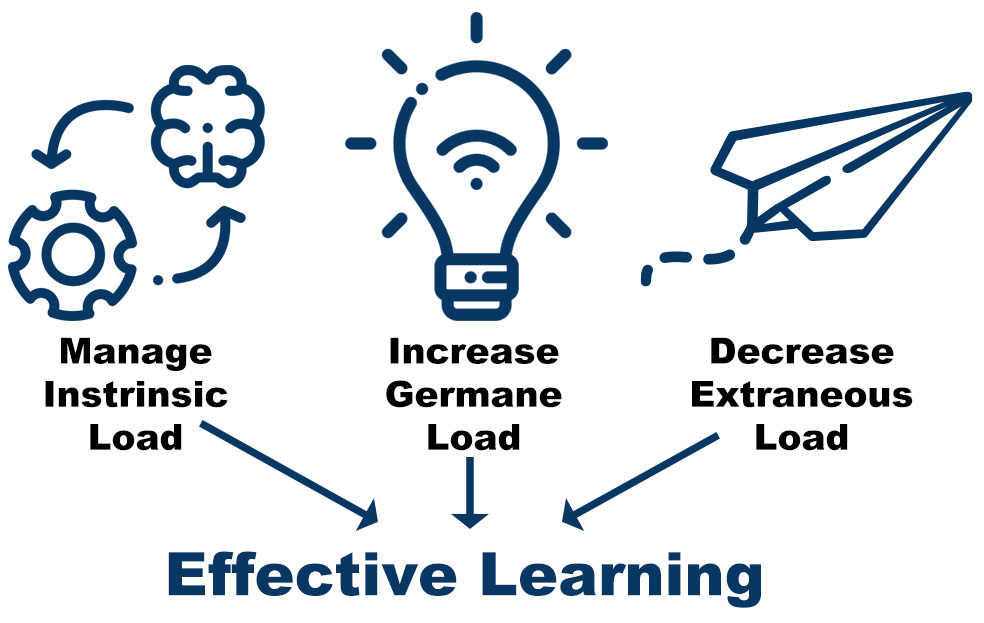
Cognitive load theory explains how mental resources are strained during task completion. It identifies three types of cognitive loads: intrinsic, extraneous, and germane. Intrinsic load relates to the difficulty of the task itself. Extraneous load refers to unnecessary information that distracts from the main goal. Germane load supports learning and understanding.
When cognitive demands exceed processing capacity, performance declines. Workers may feel overwhelmed and unable to focus. This stress can hinder decision-making and productivity. For example, when B2B professionals sift through lengthy reports with irrelevant data, they experience increased cognitive load.
UX Design Strategies
Understanding cognitive load principles is vital for effective UX design on B2B websites. Designers can optimize user experience by reducing extraneous cognitive loads. Simplifying navigation helps users find what they need quickly. Clear layouts minimize distractions and enhance focus.
Designers should also prioritize essential information. Presenting key facts upfront reduces the time users spend searching for details. Using bullet points or numbered lists can highlight important data efficiently.
Visual aids like charts and graphs can clarify complex information. These tools help break down data into digestible pieces, easing mental processing. Effective use of white space allows users to concentrate on critical elements without feeling overwhelmed.
Another strategy involves progressive disclosure. This technique reveals information gradually as users engage with the site. By doing so, designers manage cognitive resources better and prevent overload.
Factors Increasing Cognitive Load
Complex Navigation
Many things can increase cognitive load. One common factor is complex navigation. Users often struggle when they cannot find what they need quickly. This frustration leads to increased mental effort. For example, a website with too many menus or links can confuse users. They may spend more time searching for information instead of focusing on the task at hand. This distraction increases cognitive load significantly.
Excessive Information
Another element is excessive information. Too much content can overwhelm users. When people face large amounts of data, they often feel lost. For example, if a user visits a webpage filled with text and images, it can create confusion. Users may not know where to look first or what is important. This overload makes it harder for them to process information effectively. The amount of information presented should be balanced and relevant.
Poorly Organized Content
Poorly organized content also plays a role in increasing cognitive load. If information is scattered or lacks clear structure, users struggle to understand it. For instance, a report without headings or subheadings can frustrate readers. They may have difficulty following the flow of ideas, leading to wasted time and mental energy. A logical arrangement of content helps users grasp concepts faster.
Visual Clutter
Visual clutter contributes significantly to cognitive load as well. When a page is crowded with images, animations, and colors, it distracts users from the main message. Their eyes jump around the screen, making it hard to focus on one element at a time. For example, an advertisement packed with flashing graphics might catch attention but also confuse the viewer about its purpose. Reducing visual clutter helps streamline the user experience.
Inconsistent Branding
Inconsistent branding and design can also increase mental effort for users. When elements change from one page to another, it disrupts familiarity. Users must adjust their expectations each time they navigate through different sections of a site. For example, if one page uses bold colors while another employs muted tones, it creates confusion about brand identity. Consistency in design fosters trust and reduces cognitive load.
Friction in Processes
Lastly, friction in processes adds to cognitive load increases. Complicated forms or lengthy checkout processes frustrate users. They may abandon tasks if they encounter too many hurdles along the way. Streamlining these processes minimizes obstacles and enhances user satisfaction.
Design and UX Impact
Navigation Simplification
Thoughtful design plays a key role in minimizing cognitive load. A smart ecommerce website UX design focuses on simplifying navigation. Clear menus and straightforward pathways help users find what they need quickly. This reduces frustration and enhances their experience.
Information presentation is equally important. Users benefit from organized content that highlights essential details. For example, using bullet points for product features makes it easier to digest information. Avoiding clutter allows users to focus on what matters most.
Intuitive Interfaces
Intuitive interfaces are crucial for reducing mental effort. Familiar design patterns guide users through the site without confusion. For instance, placing the shopping cart icon in the top right corner is standard practice. Most users expect this layout, so they can locate it easily.
When designs align with user expectations, they feel more comfortable. This comfort leads to better engagement and higher conversion rates. Reducing cognitive load in this way directly influences consumer behavior.
Consistent Branding
Consistent branding across all pages also aids in guiding users effectively. When a website maintains uniformity in colors, fonts, and layouts, it builds trust. Users recognize the brand more easily, creating a sense of familiarity.
This consistency reinforces the entire product marketing strategy. It helps users navigate seamlessly from one section to another. They do not have to relearn how to interact with different parts of the site.
User-Centric Design
Focusing on customer needs is vital for effective design. Understanding how users think and behave can inform better choices. For example, knowing that many customers prefer visual content over text can shape a website’s layout.
Incorporating feedback from real users can lead to improvements as well. Testing designs with actual consumers reveals pain points that may not be obvious otherwise. Addressing these issues can significantly lower cognitive load.
Team Collaboration
A successful project requires collaboration among the team members involved in design and marketing. Each member brings unique insights about user experience and consumer needs. Regular meetings ensure everyone understands the goals and challenges.
By sharing knowledge, teams can create a cohesive product that meets user expectations. This teamwork ultimately leads to a more effective website that aligns with business objectives.
Instruction Overload Issues
Definition
Instruction overload occurs when users receive too much information at once. It can involve long lists of steps or complex explanations. This situation creates confusion. Users may struggle to understand what they need to do. They can feel overwhelmed by the amount of data presented.
Negative Impact
Overloading users with instructions can lead to significant problems. Comprehension decreases as users try to process too much information. They may miss essential details or misunderstand key tasks. This confusion can result in errors during task completion. For example, in a business setting, an employee might misinterpret a procedure due to unclear instructions. This miscommunication can lead to wasted time and resources.
Studies show that when people face instruction overload, their productivity drops. They take longer to complete tasks. Their performance suffers because they cannot focus on what matters most. In a B2B context, this impact can be costly. Companies may lose clients or face delays in projects.
Breaking Down Instructions
To reduce cognitive load, it is crucial to break down instructions into manageable chunks. This method helps users process information more effectively. Here are some strategies to consider:
- Use clear headings: Organize content under specific headings. This structure allows users to find information quickly.
- Limit steps: Present only a few steps at a time. Avoid overwhelming users with long lists of tasks.
- Incorporate visuals: Use diagrams or images alongside text. Visual aids can clarify complex ideas and enhance understanding.
- Summarize key points: At the end of each section, provide a brief summary of essential information.
- Provide examples: Real-life scenarios can help illustrate how to apply instructions effectively.
By implementing these strategies, companies can improve user comprehension and task efficiency. Employees will feel more confident when working through processes. Clearer instructions lead to better results and higher satisfaction.
Option Overload Problems
Definition
Option overload occurs when users face too many choices. This situation leads to decision paralysis. Users struggle to make a selection. They may feel overwhelmed by the number of options available. As a result, they often delay or avoid making a decision altogether.
Effects on Decision-Making
Excessive options can overwhelm users. Research shows that having too many choices can hinder their ability to decide. A study published in the Journal of Consumer Research in 2000 found that more options do not always lead to better outcomes. Instead, it can create anxiety and confusion. Users may experience frustration when trying to evaluate each option. This leads to dissatisfaction with the decision-making process.
Strategies for Optimization
To combat option overload, businesses should consider several strategies. First, limit the number of choices presented to users. Fewer options can lead to quicker decisions. Second, prioritize the most relevant options based on user needs. This helps users focus on what matters most.
Here are some effective methods:
- Categorize Options: Group similar items together. This makes it easier for users to compare choices.
- Highlight Best Picks: Use labels like “Top Choice” or “Recommended.” These labels guide users toward good decisions.
- Use Filters: Allow users to filter options based on specific criteria. This narrows down choices effectively.
- Provide Clear Descriptions: Offer concise information about each option. Clear descriptions help users understand what they are selecting.
- Limit Choices by Context: Present different options based on user behavior or preferences. Tailoring choices can reduce overwhelm.
Implementing these strategies can help streamline the decision-making process.
Real-Life Examples
Businesses often face option overload challenges in various industries. For example, e-commerce platforms frequently showcase numerous products on their sites. Shoppers might find themselves staring at hundreds of items, leading to frustration and delays in purchasing decisions.
In a restaurant setting, menus loaded with too many dishes can confuse diners. Simplifying the menu can enhance customer satisfaction and boost sales.
Strategies to Reduce Cognitive Load
Organizing Categories
Organizing product categories is essential for reducing cognitive load. Clear and logical categories help users find what they need quickly. When products are grouped by type or function, it reduces confusion. For example, an online store can separate items into “Electronics,” “Clothing,” and “Home Goods.” This structure makes navigation straightforward.
Users feel less overwhelmed when they see only relevant options. They can focus on their needs instead of sifting through unrelated items. A well-organized layout guides customers along their buying path. It allows them to make decisions without unnecessary stress.
Prioritizing Product Details
Providing prioritized product details enhances user experience. Highlighting key features helps direct attention where it matters most. For instance, showing price, availability, and main benefits at the top of a product page is effective.
Users often skim content. They want quick answers to their questions. By placing important information first, marketers can capture interest immediately. This approach keeps users engaged and reduces the chance of them leaving the site.
Examples include using bullet points for easy readability. Lists allow users to absorb information quickly. Marketers should avoid lengthy paragraphs that require more effort to read.
Simplifying Checkout Flow
Breaking the checkout flow into simple steps eases the purchasing process. Long and complicated forms lead to frustration. Many users abandon their carts due to confusion or fatigue during checkout.
A clear step-by-step process helps guide users smoothly from selection to payment. For example, dividing the checkout into sections like shipping, payment, and confirmation works well. Each step should be simple and focused on one task.
Using progress indicators can also help. They show users how far along they are in the process. This reduces anxiety about how much longer it will take to complete their purchase.
Enhancing User Experience Tips
Visual Clutter
Reducing visual clutter is essential for improving user experience. A clean interface allows users to focus on key content. Too many elements can overwhelm visitors. This leads to frustration and disengagement.
Clear layouts help guide website visitors. They make it easier to find information. Use white space effectively to separate different sections. This creates a more inviting environment.
Familiar Design Elements
Leveraging existing mental models can enhance navigation. Users are accustomed to certain design patterns. For example, placing the logo at the top left corner is common. This helps users feel comfortable and confident while browsing.
Using familiar icons also aids in understanding. Icons like a shopping cart or search magnifying glass are widely recognized. These elements reduce the cognitive load as users navigate the site. Familiarity encourages consumer engagement and boosts overall satisfaction.
Consistency in Design
Consistency in design plays a crucial role in providing a seamless user experience. Uniform colors, fonts, and layouts create a cohesive look across the site. This consistency builds trust with users.
Branding should remain steady throughout all pages. Users expect to see the same style, whether they are on the homepage or product page. Inconsistencies can confuse visitors and hurt their perception of the brand.
Customer Feedback
Gathering customer feedback is vital for ongoing optimization. Understanding user needs leads to better design choices. Regular surveys or feedback forms can provide insights into user preferences.
Listening to customers shows that their opinions matter. Implementing their suggestions can significantly improve customer experience. It also helps identify areas needing improvement.
Effective Marketing Strategy
An effective marketing strategy relies heavily on user experience. Satisfied users often become loyal customers. They are more likely to return and recommend the site to others.
Focusing on customer value can drive conversions. Websites that prioritize user needs tend to see higher conversion rates. This is especially important in the competitive digital marketing arena.
Conversion Rate Optimization Woes
Addressing conversion rate optimization woes requires attention to detail. Small changes can lead to significant improvements in performance. Testing different designs or layouts can reveal what works best for users.
A/B testing is one method to evaluate changes effectively. By comparing two versions of a webpage, businesses can determine which one performs better.
Final Remarks
Optimizing cognitive load in B2B settings is crucial for enhancing user experience and driving engagement. By understanding the psychological foundations and identifying factors that contribute to cognitive overload, you can implement effective strategies that streamline processes. This not only boosts productivity but also fosters a more intuitive interaction with your products or services.
Take action now. Evaluate your current design and content strategies. Simplify your information, reduce options, and enhance usability. Your users will appreciate the clarity, leading to better outcomes for everyone involved. Dive deeper into cognitive load optimization today and watch your B2B performance soar.
Frequently Asked Questions
What is cognitive load in B2B?
Cognitive load refers to the mental effort required to process information. In B2B contexts, managing this load is crucial for effective decision-making and user experience.
Why is cognitive load important for businesses?
Optimizing cognitive load enhances user experience, reduces errors, and improves productivity. This leads to better decision-making and higher satisfaction among clients and employees.
What psychological factors contribute to cognitive load?
Cognitive load is influenced by working memory capacity, task complexity, and prior knowledge. Understanding these factors helps design better systems that accommodate users’ mental capabilities.
How can design impact cognitive load?
Effective design minimizes unnecessary distractions and streamlines information presentation. A clear layout helps users focus on essential tasks, reducing cognitive strain.
What are common issues related to instruction overload?
Instruction overload occurs when users face too much guidance or complex instructions. This can lead to confusion and frustration, hindering task completion.
How does option overload affect decision-making?
Option overload happens when users are presented with too many choices. It can lead to analysis paralysis, making it difficult for users to make decisions efficiently.
What strategies can reduce cognitive load?
To reduce cognitive load, simplify information presentation, limit choices, and provide clear instructions. Regularly test user interfaces for clarity and effectiveness to enhance overall experience.