
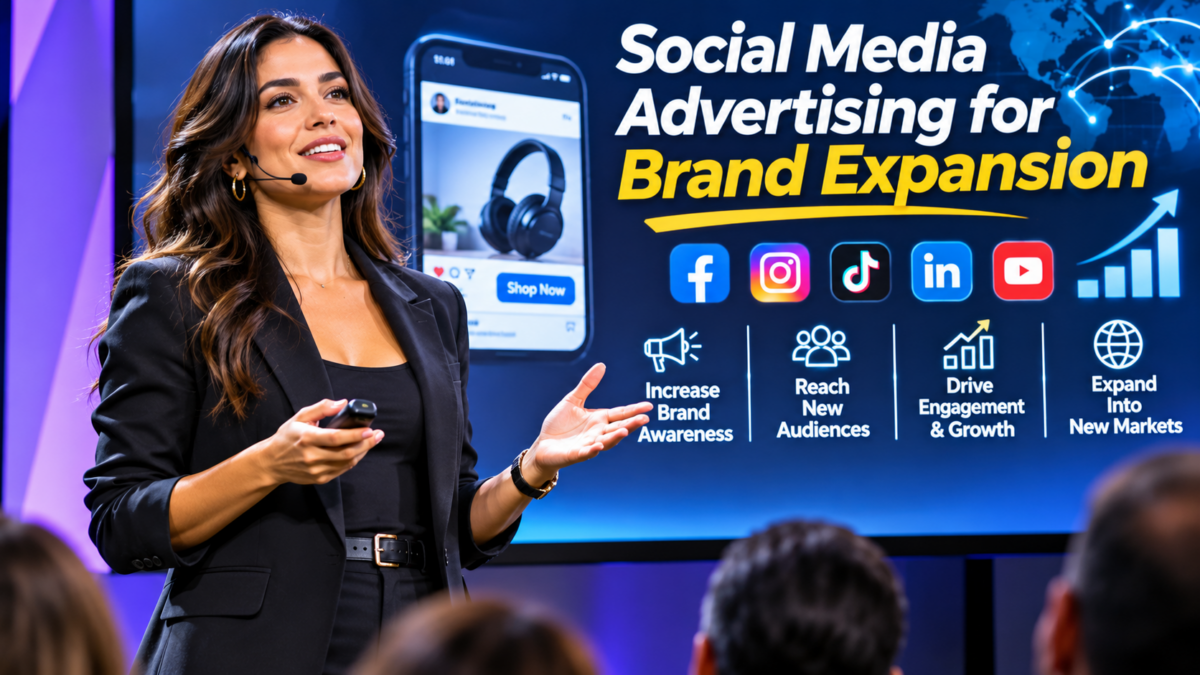
Key Takeaways
- Social media advertising not only increases brand awareness, but it attracts targeted customers and drives sales. More importantly, it fuels quantifiable business success in our current, ever-evolving digital arena.
- Choosing the right platforms based on audience demographics and business goals can significantly impact the success of your advertising campaigns.
- A detailed advertising plan that includes your goals and objectives, who you want to target, what your budget is, and more will help you make smart, effective ad placements strategically.
- Through testing various ad formats, brands can find the best ways to achieve their marketing goals. Experiment with image, video, carousel and story ads to determine which formats have the greatest effect.
- Continuously track ad performance by analyzing key metrics and analytics platforms to adjust strategies and optimize ROI.
- Don’t skip audience insights, and don’t miss engagement opportunities. Constantly monitor ad performance to ensure sustained ad campaign success over time.
The ultimate guide to social media advertising will show you how to grow your brand. It’s packed with actionable tactics to help you increase your reach and engage your audience. From hyper-targeted ads to immersive and interactive experiences, social media platforms provide brands with user engagement tools that are unparalleled.
Mastering ad formats, understanding platform algorithms, and analyzing performance metrics create campaigns that are more effective and impactful. By identifying clear goals and maintaining consistent messaging, businesses can develop ads that will truly speak to their audience. This guide is all about taking action, from choosing platforms that will work for you to determining your budget and creating eye-catching creative.
From building awareness to driving sales, social media advertising offers the perfect opportunities to help you scale your brand. Put these ideas into action and watch your brand experience true growth in every corner of the digital ecosystem.
What Is Social Media Advertising
Here’s why social media advertising is so important now. Most importantly, it enables businesses to reach their target audiences with engaging, relevant, and highly targeted campaigns.
It blends data-driven insights with creative content to develop highly-targeted promotions and distribute them through social media channels including Instagram, Pinterest and TikTok. This practice is key to building awareness, creating meaningful engagement with current and future customers, and achieving real, measurable results.
Definition and Importance
Social media advertising refers to the practice of developing paid campaigns specifically targeted to audiences defined by their demographics, interests, and behaviors. This approach is different than the usual strategy.
It allows brands to laser-target users, ensuring their messages only reach the users most likely to interact with their content—or even buy something. Integrating it into broader marketing strategies is the key to using it properly and staying competitive.
This strategy boosts your engagement and increases awareness among prospects and customers. In addition, successful campaigns improve customer perception of your brand, almost always resulting in greater loyalty and trust.
Benefits for Brand Expansion
There are a range of benefits that social media advertising provides to developing your brand. It increases brand visibility by exposing brands and their products and services to millions of users.
Take for example Pinterest, which boasts a whopping 433 million monthly active users. In addition, it’s one of the channels that sends people the most traffic — 50% of people that view Instagram Stories visit the brands’ website.
With more than 800 million users, platforms such as TikTok present huge opportunities for engagement. Targeted ads create communities around brands, building important relationships with consumers and bringing them back to your brand time and time again.
Common Misconceptions
Top 5 misconceptions about social media advertising
Everyone thinks it’s too expensive/doesn’t work. For example, 93% of consumers base their purchasing decisions on online reviews spurred by advertisements.
Some people get organic reach mixed up with paid promotions, failing to understand how highly-targeted ads can actually deliver more success. That’s because Instagram assigns 31% of their advertising budgets to Stories, which do a killer job of increasing sales and engagement.
Choosing the Right Platforms
Choosing the right social media platforms to run advertising campaigns on is key to success. Each platform brings different audiences, tools, and opportunities that you can leverage to help you achieve your brand’s goals. Aligning your efforts with the most appropriate platform helps ensure that your message resonates with the right audience in the most effective way.
Understanding Platform Demographics
Social media platforms are very different when it comes to their audiences and how users behave on them. Below is a comparison of major platforms:
| Platform | Primary Age Group | Key Characteristics |
|---|---|---|
| 25–54 years | Broad audience, suitable for diverse advertising goals | |
| 18–34 years | Visual content focus, great for lifestyle brands | |
| TikTok | 16–24 years | Short-form videos, high engagement among Gen Z |
| 18–29 years | Real-time conversations, ideal for quick updates | |
| Snapchat | 13–24 years | Casual, ephemeral content for younger audiences |
By understanding these factors, brands can reach their ideal audience with precision. An up-and-coming beauty brand flourishes on Instagram because their product shots are gorgeous. A tech company could use Twitter to provide short updates, answer questions, and converse with its audience.
Aligning Platforms with Business Goals
Knowing your overall business objectives is crucial to picking the right platforms. If increasing brand awareness is your objective, Instagram is a top choice thanks to its visual platform and vast audience size.
When it comes to lead generation, Facebook and its targeting capabilities are the most effective platforms. Focusing on the platforms where you’ll find your audience the most helps make sure you aren’t stretching yourself too thin.
With TikTok’s increasing popularity among younger users, it is the perfect platform to increase engagement with Gen Z. You will likely have to spend more on ads than you would on Facebook.
Evaluating Platform Features for Ads
Advertising features vary across platforms. Here’s a comparison:
| Platform | Ad Formats | Targeting Options | Analytics Tools |
|---|---|---|---|
| Carousel, video, static | Advanced demographic data | Detailed performance data | |
| Stories, reels, static | Interest-based targeting | Engagement metrics | |
| TikTok | In-feed, branded content | Behavioral targeting | Creative insights |
| Promoted tweets | Keyword targeting | Real-time interaction |
Knowing how to use these features to your advantage can lead to better campaign outcomes. For instance, Instagram’s carousel ads allow brands to showcase multiple products.
Meanwhile, Twitter’s promoted tweets ensure ads appear at the top of timelines, driving higher engagement.
Creating a Social Media Advertising Plan
A detailed social media advertising plan serves as a playbook for your brand’s expansion. It creates a roadmap of your goals, audience, and resources, so that each campaign you run produces the most impactful results.
Strategic planning prevents unnecessary work and gets the most bang for your buck, so it’s important to come into advertising with a strong purpose. Continuously reviewing and adapting your plan based on performance metrics is the key to ensuring it remains effective in the long run.
Setting Clear Objectives
Realistic, measurable objectives are the foundation of any successful advertising strategy. Consider these SMART goals:
- Increase website traffic by 20% in three months.
- Gain 1,000 new followers on Instagram within six weeks.
- Increase conversions from ad clicks to a 10% conversion rate by next quarter.
These goals should inform your plan, your content creation and targeting efforts. If your goal is to increase your followers, make posts that are engaging and educational.
Appropriate hashtags can greatly increase your reach, so don’t skip out on them!
Identifying Target Audience
Knowing your audience is key to making sure your ads hit home. Begin with audience segmentation —dividing users into categories based on demographics, purchasing behavior, or interests.
Create customer personas to document preferences, such as liking short-form content or interacting with posts that include hashtags for increased engagement. Since trends are always changing, continuous research allows you to fine-tune your strategy, ensuring your campaigns stay in-tune with your audience’s needs.
Allocating Budget Effectively
Efficient budget allocation drives campaign success. Consider these strategies:
- Prioritize platforms like Facebook, with its vast user base.
- Consider allocating 20% of your budget to testing various ad types.
- Complement paid ads with robust organic efforts, like the 80-20 content rule.
Using tools such as analytics and CRMs further maximizes that spend. For example, testing ad performance against email analytics shows which campaigns drive the most impactful engagement.
Types of Social Media Ads
There are a ton of different ad formats available across social media advertising, all designed to help you achieve particular goals. Increase your brand awareness, sales conversions and customer engagement! Now that you know what you have to work with, picking the right social media ad for your goals becomes a simple decision.
Brands can experiment with different formats to figure out what works best for their audience and continue to fine-tune their strategy as they go.
Image and Video Ads
It’s no surprise, then, that visual content captures attention faster, which is why image and video ads reign supreme. Compelling, high-quality visuals help you stand out—catching the eye of potential customers—and even help control the narrative of how your brand is perceived.
Video ads, like in-stream ads, marketplace ads, or video feed ads, are great for dynamic storytelling. Social media platforms like TikTok, which has built its brand on fun and engaging short-form videos, are the masters of this.
Best practice guidelines—such as frequent and recognizable branding, eye-catching visuals, and informative text—help your ads break through the noise.
Carousel and Collection Ads
Carousel and collection ads are great for displaying more than one product or product feature. One of my favorite ad types, Facebook carousel ads, let you use up to ten different visuals, each with their own links.
This ad type promotes clicks and leads to higher conversions. Smart design techniques such as a unified visual style or a narrative arc make your content more captivating.
Stories and Reels Ads
Ephemeral content, like Stories and Reels, is hot on Instagram and TikTok. These formats encourage live engagement and promotion.
Strategies such as producing authentic and relatable content enable brands to reach audiences on a human level. As platforms like TikTok change what advertising looks like, brands now have the opportunity to reach users who welcome advertising as a part of the experience.
1. Steps to Launch Successful Campaigns
Whether you’re just starting out or looking to elevate your social advertising game, here’s how to launch successful campaigns that get results. By combining market insights, engaging content, and ongoing analysis, brands can create campaigns that capture attention and deliver measurable results. Here are the essential steps to help lead you in the right direction.
1. Conduct Market Research
Understanding your audience through market research is the bedrock of successful advertising. Plus, it aids brands in identifying their target audience and discovering emerging trends that influence consumer behavior.
Tools like Sprout, an AI-powered social listening platform, provide powerful data by scanning the social networks for conversations and extracting the most relevant data. This opens up really cool opportunities to reach users on platforms like TikTok.
In fact, 38% of users don’t find ads on TikTok intrusive at all. Competitive analysis and performance benchmarking keeps your strategy on par with the industry while setting you apart from the competition.
2. Develop Engaging Ad Content
True, compelling content is more important than ever in a crowded space where audiences are in control. Then, create attention-grabbing, visually striking designs and ad copy with a central message and a clear value proposition.
Storytelling brings a highly relatable and humanizing element, which helps make campaigns such as the Botanicals Challenge unforgettable. To create the biggest waves, tailor the messaging to the target audience’s pain points, leveraging learnings from organic social’s performance and customer personas.
3. Choose the Right Ad Format
Choosing the right format is based on your goals and target audience. Consider these factors:
- Audience behavior on each platform
- Preferred content types (video, carousel, or static images)
Testing video creatives are a great way to connect with TikTok’s engaged user base. At the same time, carousel ads are one of the best ways to feature products on Facebook.
4. Optimize Ads for Mobile Users
As mobile usage continues to dominate across all social platforms, mobile-friendly ads are no longer optional. Utilize vertical video formats, optimize for fast loading times, and focus on creating thumb-stopping visuals.
Ensure your design is accessible with large, legible fonts and buttons. Mobile-first strategies just make more sense to today’s audience.
5. Schedule Ads Strategically
Timing is crucial in order to reach the highest amount of people possible. Look at historical engagement data to find when your audience is most active. Tips for scheduling include:
- Targeting users based on time zones
- Posting during commuting hours or lunch breaks
- Aligning with natural seasonal patterns
Smart scheduling ensures your ads only show when your target audience is available.
6. Test and Refine Campaigns
Continuous improvement is the name of the game. With A/B testing, you can easily compare different variables such as headlines or visuals.

Leverage performance metrics, like CPC, CPM, and impressions to continue to improve your strategy, targeting, and creative. Continual optimization using smart data makes sure you’re not wasting potential campaign success over time.
Measuring Advertising Performance
In order to make sure your social media advertising efforts are making an impact, measuring performance is key. Establish KPIs and establish your own benchmarks to track your progress. Consistently go back to what you’ve accomplished to improve your approaches and better reach what you’re trying to do.
Key Metrics to Track
- Click-Through Rate (CTR): Indicates how well your ad grabs attention and drives clicks.
- Conversion Rate: Shows the percentage of users who completed a desired action post-click.
- Cost Per Click (CPC): Reflects the cost-efficiency of driving traffic.
- Measure visibility and the size of your audience.
- Engagement Rate: Tracks interactions like likes, comments, and shares.
- Evaluates profitability of your investment.
These metrics collectively provide insights into audience behavior, campaign reach, and financial performance. For example, videos tend to do better than static posts, shining a light on the importance of creative, engaging content.
Tools for Analytics and Insights
Even popular tools like Sprout Social help you track ad effectiveness in real-time across different platforms including Facebook, Instagram, and Pinterest. Tools such as customizable data exports by profile or date range make comparison a snap.
Tools that provide robust reporting capabilities are essential for brands looking to take data-driven actions based on quantifiable results.
How to Interpret Results
The key to effective analysis is finding trends and matching them up with your objectives. Don’t get caught up in vanity metrics and instead focus on actionable data.
If engagement rates start to drop, for instance, perhaps testing some video content or refining targeting parameters helps drive up engagement again. Creative insights need to inform and develop through every subsequent campaign for long-term, compounding success.
Best Practices for Social Media Advertising
Social media advertising is most successful when it is driven by strategic planning, regularity, and flexibility. When brands embrace these tried and true techniques, they can maximize reach, deepen engagement, and achieve real results.
Here are best practices to ensure success in your social media advertising campaigns:
- Keep a consistent brand voice and visual identity on all platforms.
- Use user-generated content to increase authenticity and community trust.
- Use retargeting to re-engage visitors with personalized messages.
- Plan and adapt strategies around seasonal and annual events to remain timely and relevant.
- Consider targeted formats like Facebook ads and influencer marketing.
Focus on Consistent Branding
Cohesive branding helps make sure that your audience never confuses your content with anyone else’s. This kind of consistency builds trust with the audience and supports the brand identity, even more so when executed across many platforms.
Create simple brand standards for colors, fonts, logos, and voice to prevent miscommunication. So a brand that uses soft pastels on Instagram mustn’t go and start posting in bold neons on Twitter.
Leverage User-Generated Content
User-generated content (UGC) is one of the most effective ways to connect brands with audiences in an authentic manner. Featuring customer reviews, photos, or testimonials builds brand loyalty and showcases authentic experiences using your product.
Campaigns that invite contributions, such as Starbucks’ cup design contest, foster a sense of ownership that extends participation further and creates a more engaged community.
Use Retargeting Strategies
Retargeting helps bring back the ones who didn’t convert but were interested, say someone who looked at a product and didn’t buy it. With social platforms such as Facebook or Twitter, you can reach these lapsed users directly through targeted ads.
Personalized messaging—including follow-ups with discounts on products they viewed—drives increased conversions.
Common Mistakes to Avoid
Social media advertising offers unparalleled opportunities for brand expansion, but many brands fall into avoidable traps that limit their success. Here are some of the biggest blunders to avoid and ways to avert their potential doom.
- Neglecting to understand audience demographics and preferences.
- Ignoring comments, messages, or other engagement opportunities.
- Failing to monitor and adjust ad performance.
- Posting excessively, overwhelming your audience.
- Using generic content unsuitable for mobile users.
- Overlooking cross-functional strategies to maximize exposure.
Overlooking Audience Insights
Those audience insights are the bedrock of a good campaign. Without a deep understanding of preferences, demographics, and behaviors, ads might not hit the mark.
As just one illustration, 18- to 19-year-olds are found on TikTok, so it’s important to target campaigns to their preferred platforms and interests. Not listening to constructive criticism, like negative comments or reviews, holds you back from evolving.
Digital research tools, such as social listening platforms, allow brands to consistently track and understand what audiences care about.
Ignoring Engagement Opportunities
Building engagement is key to earning trust and loyalty. Responding to comments, answering messages, and starting conversations engender real relationships.
For example, answering questions quickly on Instagram can help meet customer expectations. With 93% of consumers reading online reviews before making a purchase, customer engagement shapes how people view your brand.
Failing to Monitor Ad Performance
Metrics such as engagement rate by reach (ERR) can help you keep your campaigns on target and effective. Consistent evaluation keeps your budget from being wasted and helps you find what needs to be improved.
For example, cut costs by optimizing underperforming ads sooner rather than later. Tools that automate and streamline monitoring make this process much easier, saving time and improving efficiency.
Trends in Social Media Advertising
Social media advertising is a fickle environment, one that changes constantly due to new technologies and changes in consumer behavior. Being ahead of the curve on these trends is key for brands looking to stay on the cutting edge. As platforms widen their capabilities, businesses need to reconfigure strategies to fit new opportunities and the risk of new challenges.
Rise of Influencer Collaborations
Influencer partnerships have quickly become one of the most powerful tools in the marketing world. Collaborating with influencers is a powerful way to reach specific audiences in an authentic way, increasing your brand’s trust and reach.
For example, a tech brand aligning with an industry expert can both build credibility and effectively reach relevant niche communities. Brands should look for influencers who have the same values and type of followers that the brand wants to reach to create a more relevant and effective match.
Growth of Interactive Ad Formats
Interactive ads—such as polls, quizzes and augmented reality that users can engage with—are on the rise. These formats are more immersive and more interactive, sparking deeper user attention.
Short-form videos, like those seen on TikTok, are especially impactful when it comes to holding attention. By taking risks with interactive ads, brands can create unique and exciting campaigns that people won’t forget.
Increasing Focus on Personalization
Ads tailored to their unique interests are what’s cutting through the noise of today’s crowded marketplace. Utilizing data on user behavior allows for hyper-targeted campaigns that resonate and come across as more relevant and timely.
For instance, using location-based targeting or purchase history to send a more specific message to a smaller group makes it more effective. Personalization creates more meaningful relationships, making audiences more loyal to brands.
Conclusion
The growth potential of social media advertising is limitless. It helps brands reach their target audience, increase engagement and brand visibility. Finally, big leaps are built on small steps. With achievable goals and a solid strategy, you’ll be able to cover significant ground. Knowing the platforms, media types, creative trends, and best practices sets you up to be ahead of the curve. Steer clear of pitfalls, measure everything, and shift your approach to achieve more effective outcomes.
Each step, and stage, builds on the last. Instead, try to create ads that resonate with your target audience while staying true to your brand. Follow best practices, but be adaptable to change as social environments are constantly changing. Success only happens through the process of trial and error.
Continue to protect your brand from bad actors. Use this comprehensive guide to improve your strategy and continue expanding your brand. Social media advertising isn’t just an opportunity—it’s one of the best opportunities to expand your brand in a meaningful, lasting way.
Frequently Asked Questions
What is social media advertising?
Social media advertising is the practice of using paid ads on platforms like Facebook, Instagram, and LinkedIn to promote your brand, products, or services. It is a cost-effective way for businesses to connect with their target audience, increase website traffic, and ultimately improve sales.
How do I choose the right platform for my ads?
Figure out which platforms your target audience uses the most. For instance, use Instagram if you want to reach younger demographics or LinkedIn for B2B audiences. Find out what features are available on each platform and how those features can help you achieve your business goals.
What are the most common types of social media ads?
Common examples are image ads, video ads, carousel ads, and sponsored posts. These formats can be used to make product-focused ads, narrative-driven brand stories, or engagement-boosting creatives based on your campaign goal.
How can I measure the success of my social media ads?
Monitor key performance indicators (KPIs) such as click-through rate (CTR), conversions, and return on ad spend (ROAS). Use tools such as Facebook Ads Manager or Google Analytics to measure results.
What are some best practices for social media advertising?
Incorporate great visuals, sincere persuasive copy and target the right people. We’re not saying avoid traditional formats. Test all ad formats and constantly optimize to improve performance to improve ROI.
What are the biggest mistakes to avoid in social media advertising?
Don’t target a huge, untargeted audience, ignore analytics, and use low-quality visuals. Running ads without setting specific goals or A/B testing can further tank ad performance.
What trends should I watch for in social media advertising?
Notable trends are the effectiveness of short-form video ads, partnerships with influencers, and AI-fueled ad targeting. Keeping a finger on the pulse of these trends will keep you ahead of the competition and driving the best results possible.