

Key Takeaways
- Business coaching versus consulting difference coaching encourages individual and leadership development, whereas consulting offers expert answers for business problems.
- Coaching is about self-discovery and long-term development through questioning and feedback. Consulting provides direct recommendations and follows structured phases.
- Which is better, coaching or consulting for your business? It depends if you are looking for personal growth or immediate business impact.
- Both coaches and consultants rely on clear communication, thorough assessments, and goal setting to ensure effective engagement and results.
- A hybrid coaching and consulting approach provides flexibility and comprehensive assistance.
- Understanding the fundamental distinctions and benefits of each approach can assist organizations and individuals in making informed decisions for sustainable growth.
Business coaching and consulting are two different approaches that assist individuals and companies in achieving their objectives.
Business coaching helps individuals discover their own solutions and develop their abilities, whereas consulting provides expert recommendations and develops action plans for transformation.
Understanding the difference between business coaching and consulting helps choose what suits you for development or troubleshooting.
The following excerpt describes how coaching and consulting are worlds apart in actual work.
The Core Distinction
Business coaching and consulting fulfill various, yet occasionally intersecting, requirements. Coaching is a collaboration. It’s about developing yourself and your skills as a worker over the years. Coaches help clients find insights, cultivate habits, and achieve goals.
Consulting is a service you provide to offer expert advice on solving business problems or conducting projects. Consultants diagnose, prescribe, and frequently hand over a completed prescription. Where coaching fosters continued growth, consulting often concludes with a definitive answer or finished deliverable.
1. Approach
Coaching asks questions that assist clients in discovering answers inside themselves. It provokes self-exploration and development. A coach may query, “What are your biggest hurdles at the moment?” or “What strengths can you leverage?
It causes clients to get out and shop more and to reflect more. Coaches don’t provide direct answers but instead assist clients in making their own decisions.
Consulting is a different beast. Consultants dig into data, review systems, and then give clear recommendations. They advise clients what to fix, how to do it, and sometimes do it themselves.
Consulting is not an idea-exploration exercise; it’s about identifying concrete action. Both strive for positive change, but coaching extracts answers from the client, consulting delivers them.
2. Focus
Coaching focuses on people. It assists leaders and teams in crafting habits, shifting mindsets, and building skills. This can sometimes drag on for months and even years.
Coaches work one-on-one or with small groups, focusing on creating sustainable transformation. Consulting considers the broader context.
Consultants concentrate on the business, its operations, structure, and systems. They address issues such as declining sales, workflow voids, or launching new projects. Consulting is typically project-based with a defined timeframe and objective.
Coaching is most effective when expansion and leadership are required. Consulting is great for patching a hole or when external expertise is needed.
3. Process
Coaching is about continuous conversations, feedback, and encouragement. Sessions are organic, sculpted by the client’s needs and pace of development. This keeps them grounded and course correcting.
Consulting follows a set plan. There are phases: assessment, recommendation, delivery. Consultants work to a schedule and hand over clear deliverables.
Timelines are tight. Coaching and consulting require strong, open communication to hit their targets.
4. Outcome
Coaching yields growth, stronger leaders, increased confidence, and new behaviors. These victories are frequently private and elusive to quantify. It manifests in the way people reason and behave.
Consulting makes a quantitative difference. Sales soar, expenses plunge, and projects complete on schedule. We measure results with digits, not just sentiment.
Either route can drive impact, but the means of demonstrating accomplishment vary.
5. Relationship
Coach-client ties are founded in trust and collaboration. They coach, they listen, and they help clients find their own answers. These bonds develop over time and typically extend beyond a single project.
Consultant-client relationships are more professional and temporary. Consultants are paid for their knowledge. They counsel, guide, and then leave when the work is complete.
Role and Responsibility
Business coaching and consulting are both designed to help business owners achieve their objectives. They each have distinct roles and responsibilities. Coaches are guides and mentors for personal and professional development, emphasizing skill development and strategy for sustained success.
Consultants are brought in for their external expertise, typically to fix something or to oversee a project with a defined goal. Both positions require excellent communication and people skills. Listening, explaining, and adapting is important in either relationship.
The Coach
A coach collaborates with clients to establish well-defined, quantifiable objectives, be it in personal or professional arenas. It’s a continuous process that could include sessions, keeping score, and tweaking tactics. Coaches hold accountability at the forefront.
They keep clients accountable, check in on goals, and maintain momentum between sessions. Techniques like reflective questioning, active listening, and exercises to boost self-awareness are common tools in coaching. For example, a coach may use a strengths assessment to help a client understand what comes naturally and where growth is possible.
Unlike consulting, there is often no fixed plan handed over. The coach guides clients to find their own answers and supports them as they build the skills to adapt and grow. All great coaches customize their coaching for every client. A few like more guidance, others desire room to ponder and wander.
A great coach gleans these needs and adjusts their style, whether through more explicit feedback or more free-form conversation.
The Consultant
Consultants are hired when a company encounters a problem that necessitates external expertise. They study business processes, systems, or markets to identify what is broken. For example, a business could retain a consultant to optimize its supply chain or devise a new go-to-market strategy.
Consultants tend to be specialists in areas like finance, marketing, or operations, so they bring depth there. It’s the consultant’s role to identify issues, offer professional guidance, and recommend actionable remedies. Their advice typically comes from data, research, and experience with analogous scenarios.
It’s advice that usually arrives as reports, presentations, or step-by-step plans, something the business can immediately put to use. Other consultants assist with implementing the solutions they recommend. That might involve educating employees, implementing new processes, or tracking advances for a designated time frame.
Consulting projects are generally much shorter than coaching relationships, but the work can still have a huge footprint in a tiny footprint of time.
When to Choose
Deciding between business coaching and consulting comes down to the problem, the goal, and the kind of support you need. Most leaders or teams confront this decision when they’re ready to get better, but selecting the wrong one can waste time, be frustrating, or result in blueprints that never get implemented.
Both routes are valuable and thrive in different environments. Knowing what the group or person wants to accomplish can inform which assistance best suits. Consider whether your desired transformation involves changing ways of thinking, developing abilities, or addressing a sharply defined challenge. This emphasis will steer the optimal selection.
Choose Coaching
Coaching often works best for individuals seeking to develop personal skills and leadership. It’s handy when the challenge is no longer missing knowledge but habit-building, clarity, or accountability.
Coaching is often individual work where they ask you questions and help you reflect rather than provide answers. If you want structure, continuous feedback, or to establish trust and improve collaboration, coaching can assist.
- You need to develop leadership competencies or change your management approach.
- You or your team need to learn better ways to communicate and collaborate.
- You have a hard time maintaining momentum, require accountability, or want assistance in achieving goals.
- You feel overwhelmed or scattered and want assistance in discovering focus.
- You desire support as you guide transformation, not a one-time strategy.
Teams can employ coaching to enhance collaboration, trust, and candid communication. Coaching works better when the need is more long-term or focuses on an individual, not a project. It’s intimate, practical and focused on developing skills you’ll utilize over and over.
Choose Consulting
Consulting is best when there’s a well-defined problem to solve or some technical expertise is lacking. They don’t just study the problem and advise; they often lead the work to solve it.
It’s useful when the demand is immediate, like a new mandate, a hard pivot in the marketplace, or a busted process. Consulting is a great fit for early-stage businesses that need a plan or need to prove their idea works. It’s not as much about self-realization, but about accomplishing a task and moving on.
- You have one well-defined issue that an expert should address.
- You require technical expertise or external evaluation to help you select.
- You want an individual to own a defined start to finish project.
- When you have to react quickly to market or industry changes.
- You require proof before committing additional time or financial resources to a new project.
Consulting allows you to hire external assistance for a specific job. It’s about outcomes, due dates, and professional behavior. When the challenge is about systems, not people or when time is short, consulting tends to be the better fit.
The Engagement Journey
Charting the engagement journey business coaching and consulting can be trying for business owners and leaders across the globe. Both services begin with a call to identify needs, establish goals, and chart a course for progress. Each approach builds trust, drives change, and seeks measurable outcomes. Selecting the right path is crucial. The wrong support can squander time or have your plans languish in disuse.
Initial Assessment
Coaches start by talking with clients to spot their readiness for change. They often use self-reflection tools or simple scorecards to track where clients stand. This step sets the stage for honest talks about strengths, weak spots, and what needs to shift for growth.
Consultants follow a slightly more empirical path. They review business metrics, audit workflows, and connect with teams to identify key pain points. For instance, a consultant may examine monthly sales in euros or investigate workflow bottlenecks that delay a team in a company with offices in Asia and Europe.
For both coaches and consultants, they must take an in-depth examination of the business before scoping a plan. This stage can identify problems that are easy to overlook, such as leadership voids or clandestine communication bottlenecks. Without a keen evaluation, even the best strategy can fall flat.
Implementation
Coaching proceeds through frequent sessions, individual or groups, where feedback and support are continuous. Coaches support clients in adhering to their objectives, navigate challenging decisions, and foster leadership practices. They concentrate on micro-victories, employ metrics important to the customer, and offer consistent motivation.
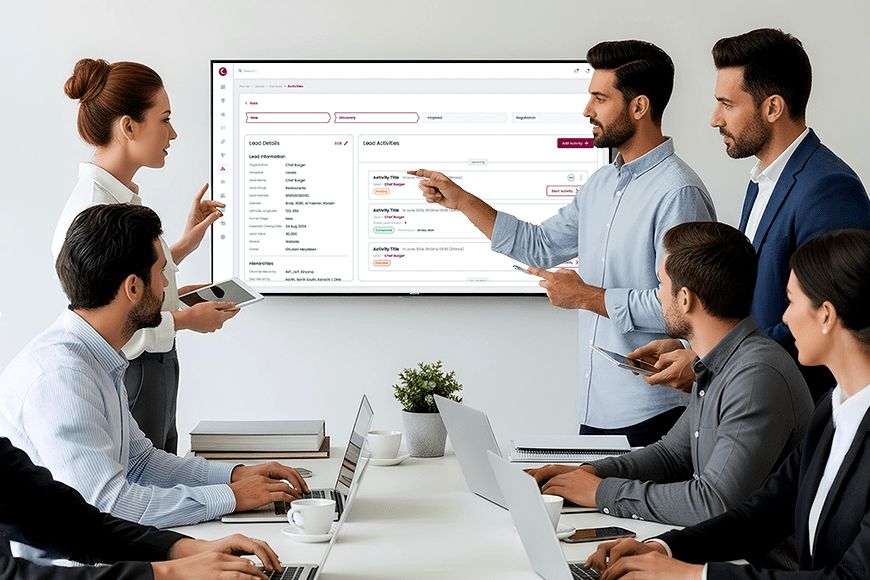
Consultants launch schedules in heterogeneous timelines, steps, and defined tasks. They might sketch out a new hiring process or plan a marketing blueprint, complete with deadlines and budget in US dollars. Both sides have to collaborate. Without back-and-forth, plans are in danger of being forgotten or buried in the everyday grind.
The final objective in both instances is authentic change that endures. It’s not about short-term hacks but empowering the business to learn, grow, and remain resilient well beyond the engagement.
Duration
Coaching typically requires time — months, even years. It is the work of the craftsman, intended for the student of permanence and character. Clients log in, monitor their progress, and reset goals as things evolve.
Consulting is generally briefer, lasting a few weeks to a few months, with a laser focus on one or two results. In coaching and consulting, the duration can change depending on new objectives or business demands. Flexibility is good, as some companies shift from coaching to consulting and back again as they mature.
The Blended Model
A blended model takes from both business coaching and consulting, interweaving coaching’s emphasis on self-development and consulting’s emphasis on expertise and advice. A lot of organizations appreciate this blended model because it helps address holes that pure coaching or consulting might leave. By mixing the two, companies can strike a balance between providing guidance and allowing ownership.
Not a cookie-cutter approach, companies can flow from coaching to consulting and even growth consulting as necessary. The blended model accommodates rapid problem solving and strategic long-term planning, which is ideal for companies seeking both immediate results and sustained growth.
A New Hybrid
What distinguishes the blended model is that it combines the personal development orientation of coaching with the strategic and technical emphasis of consulting. For instance, a consultant could assist a business with establishing a new marketing strategy, whereas a coach would engage with executives to develop confidence in their decision making. Leaders don’t just learn from the blended model; they become learners for life.
This blended model can be helpful for organizations seeking assistance on multiple fronts. For example, a fast-growing company might require consulting to establish operational efficiencies and coaching to assist staff through transition. The blended model provides flexibility, allowing companies to evolve to meet new challenges without having to migrate providers or platforms.
This flexibility is crucial for businesses that have to react rapidly to market changes or internal changes. The model works because it strikes a balance between being structured and collaborative. A consultant’s perspective cuts through confusion, and a coach’s approach fosters team buy-in.
This combination can aid in crafting solutions that endure, not schemes that are disregarded or lost.
| Benefit | Coaching Element | Consulting Element | Combined Impact |
|---|---|---|---|
| Personal Growth | Self-awareness, ownership | Expert advice | Well-rounded leadership |
| Strategic Focus | Goal-setting | Action plans | Clear, actionable strategies |
| Adaptability | Responsive support | Flexible expertise | Solutions for changing needs |
| Support & Accountability | Ongoing check-ins | Performance metrics | Consistent improvement |
The Benefits
A blended model can increase employee engagement and satisfaction. When staff are consulted in decision-making through coaching and simultaneously provided expert advice through consulting, they frequently feel appreciated and empowered. That can create trust throughout the organization.
Which is why I like to blend the two. A coach teaches people why change is important and where they fit in, and a consultant outlines concrete steps. That can make new strategies more digestible.
A blended model fosters a culture where teams pursue continuous improvement. Staff can receive specialized guidance on things like finance or operations, but be mentored to be independent thinkers and continue to innovate. This results in more robust teams that can weather setbacks or new challenges.
Clients in the blended model receive the advantage of wider expertise. They have both fast hacks for immediate demands and consistent support for deep ambitions.
The model isn’t for every business. Selecting a strategy that doesn’t fit with firm culture or requirements can result in lost time or squandered effort. Businesses should consider their goals and resources before determining if a blended model is appropriate.
Common Misconceptions
Business coaching and consulting are often perceived as the same thing. These roles differ starkly in the way they assist clients. Coaching is about personal development. A coach collaborates with entrepreneurs or teams to assist them in developing abilities, establishing objectives, and evolving as leaders. A coach will frequently help people discover their own answers and realize their potential.
Consulting, by contrast, is more about business problem solving. Consultants provide insights and expertise to solve problems, develop strategies, or optimize business operations. They can examine a company’s procedure, identify vulnerabilities, and recommend targeted modifications. Although both can assist a company to expand, the manner of doing so and the objective is not identical.
It’s effortless to believe that consulting merely cures challenges, whereas coaching is simply for self-improvement. In reality, consulting can assist with business growth and major strategic shifts, like when an organization is interested in entering a new market or launching a new product line. Consultants don’t operate with a one-size-fits-all plan for each client. They partner with every business to learn about its needs, objectives, and culture, then tailor their guidance accordingly.
For instance, a consultant may assist a boutique shop expand online, but combine it with a very different strategy for a worldwide label. At the same time, coaching isn’t just for troubled businesses. Many healthy, expanding companies bring on coaches to help teams collaborate more efficiently or to help leaders prepare for their next leap.
A few believe coaching is a magic bullet. The process is hard and requires persistence and discipline. A coach can see clients for months, monitoring progress and assisting them in forming new habits. The point is to build enduring transformation, not just band-aid the situation.
Consulting is not just for big companies either. Small- and medium-sized businesses, even start-ups, can benefit significantly from a consultant’s external perspective and expertise. Coaching and consulting can be applied before problems arise, as a sort of business opportunity scouting and staying ahead.
Finally, the idea that coaching and consulting are too expensive tends to overlook the point. It is expensive, but a lot of people experience an excellent return on investment. A business that gets professional assistance can accelerate, steer clear of expensive errors, or discover more efficient workflows. The true benefit is in what a business discovers and how it applies new capabilities or strategies down the road.
Conclusion
Business coaching vs consulting difference Coaching helps you develop your abilities and mindset. Consulting provides you with actionable answers and strategies. They each serve a different purpose. Most teams employ both to accelerate transformation and amplify impact. Confusion frequently arises, however, understanding what each primarily aims to accomplish assists you in selecting the appropriate fit.
To advance, consider your primary requirement. Looking to grow people and long-term skills? Opt for coaching. Want quick solutions or guidance from a pro? Go with consulting. Some teams combine both for a killer strategy. See real-life reports or chat with peers who went down each path. See what works for your team and step into your next stage unclouded.
Frequently Asked Questions
What is the main difference between business coaching and consulting?
Business coaching is more about personal and professional development through inquiry and guidance. Consulting is about offering your expertise to fix a problem.
When should a company choose coaching over consulting?
Opt for coaching when you need to cultivate leadership qualities and self-awareness. Choose consulting when you require expert advice or strategies on business problems.
Can a business coach also act as a consultant?
Sure, some pros employ a hybrid, mixing coaching and consulting. They are flexible. They adjust their style to the client.
Is business coaching or consulting better for small businesses?
When it comes to business challenges, it depends. Coaching is perfect for leadership development. Consulting is best for addressing concrete business problems.
How long do business coaching and consulting engagements last?
Coaching typically takes months for durable transformation. Consulting assignments can be shorter and are frequently deliverable-oriented.
Are the results from coaching and consulting measurable?
Yes, both can generate tangible results. Coaching focuses on individual and team development. Consulting judges results based on business objectives.
Do coaching and consulting use the same methods?
No, coaching pulls with questions and reflection. Consulting relies on analysis, planning, and direct advice. Both can complement one another.