
Key Takeaways
- A digital marketing strategy is a comprehensive playbook that integrates multiple channels. It’s driven by SEO, social media, email and content marketing working in unison to help you realize your business objectives. Aligning these strategies with broader organizational objectives is the key to success.
- It’s imperative for business leaders to understand how digital marketing impacts customer engagement. It is a vital component of creating brand loyalty and fostering innovation, both key to remaining competitive.
- Adapting to market changes and evolving customer expectations requires flexibility, regular trend analysis, and leveraging customer feedback to refine marketing tactics.
- By investing in the right tools, platforms, and technologies, you can increase the efficiency of your marketing efforts exponentially. Creating a data-driven culture maximizes ROI even more.
- Overcoming challenges like resistance to change, skill gaps, and rapid technological advancements involves open communication, training, and staying informed about emerging trends.
- Transforming your digital marketing strategy can lead to improved customer retention, better brand visibility, and increased revenue, ensuring sustainable business growth.
To truly transform your digital marketing strategy, start by getting to know your audience. This foundational step is crucial as it informs all subsequent actions and decisions.
Afterwards, establish specific and measurable goals, and utilize appropriate tools to efficiently achieve them. Clear goals provide direction and help in assessing progress over time.
A good strategy merges those data-driven findings with a creative strategy to reach customers in a meaningful way. This combination ensures that marketing efforts are not only effective but also resonate with the target audience.
Incorporating personalized content, optimizing for mobile users, and utilizing social media platforms can lead to businesses building trust and engagement. These elements are essential in creating a customer-centric approach that fosters loyalty.
By tracking performance through analytics, leaders can make more informed decisions and continually refine their efforts to maximize performance. Analytics serve as a guide for understanding what works and what needs adjustment.
By reorienting toward delivering value, companies can become more resilient to disruption and earn the type of lasting loyalty they’ve been seeking. This shift in focus can significantly impact long-term success.
Each move, whether an email initiative or an SEO enhancement, contributes to building a strong digital strategy. Every action taken should align with the overall vision and goals of the business.
For business leaders, embracing these tips can set the stage for sustainable growth and measurable results. Implementing these strategies can lead to a more robust and effective digital marketing approach.
What Is Digital Marketing Strategy
A digital marketing strategy is an organized plan of action that companies follow to reach and engage their target market using digital channels. It’s a targeted approach with data-driven solutions and nuanced tactics that help a brand stay top of mind, relevant, and competitive in an ever more digital-first landscape.
By integrating various digital tools and channels, companies can create meaningful customer connections and achieve measurable outcomes like increased sales, brand awareness, and trust.
Definition and Key Components
At its core, a digital marketing strategy starts with knowing your audience. It includes developing compelling messaging and determining which channels will reach them most effectively.
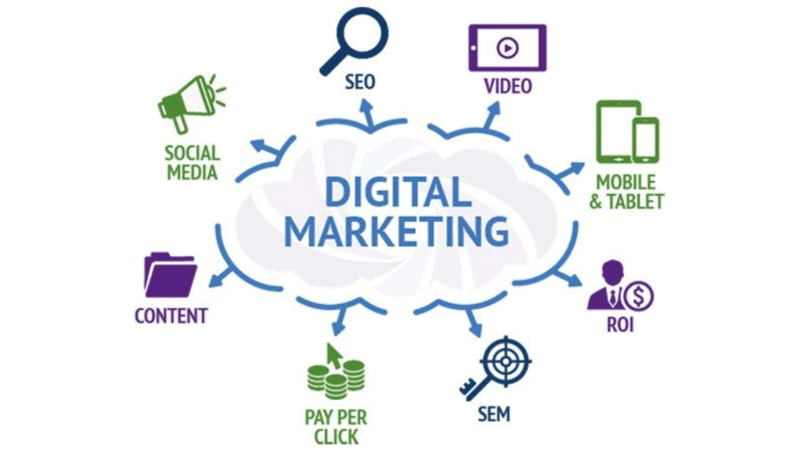
These channels can be social media channels, email marketing, SEO, content marketing, and more. Each one plays a special part—social media builds community, SEO gets you found, and email marketing develops loyalty.
Data analytics, which has become an essential component of this process, allows companies to gain insights into customer behavior and campaign performance. Merging digital and traditional marketing approaches can result in a cohesive experience across the board, making sure each and every touchpoint strikes a chord with potential attendees.
Importance for Business Leaders
For business leaders, digital marketing is more than just a tool. It’s a revolution.
It fuels customer engagement, accelerates brand loyalty, and helps brands to be perceived as innovative. Leaders who understand that digital skills and resources are critical investments can leverage these strategies to meet citizens’ expectations and stay ahead of their competition.
Role in Modern Business Practices
Digital marketing improves customer experiences by personalizing interactions and reaching customers where they’re already spending time—on the internet.
With 6.9 billion smartphone users worldwide, businesses have an unprecedented opportunity to reach consumers instantly and globally. It’s flexible, responding to shifts in consumer behavior and optimizing processes, which is why it’s become so critical to the success of businesses today.
Why Transform Your Digital Marketing Strategy
It’s a tough reality, but rapid technological advancements and shifting consumer behavior are defining a new business landscape. To be relevant and to compete, businesses need to transform their digital marketing strategy. Without a road map and strategy in place, businesses run the risk of getting left behind by more digitally-savvy players.
Here’s why you need to transform your marketing strategy to address today’s challenges and realize their possibilities.
Adapting to Market Changes
Markets are ever-changing. Conducting ongoing environmental scans allows organizations to be more proactive as opposed to reactive. For example, changes in consumer habits in inflationary periods may change where shoppers are spending their dollars.
Flexibility within marketing plans is just as important. A business that can pivot to address new challenges, such as emerging competitors or changes in privacy regulations, gains an advantage.
Customer feedback is another great source. Improve your product line through customer feedback. It’s the best way to keep your services relevant to what the market actually needs and wants.
Meeting Customer Expectations
Knowing what your customers need is the foundation of real marketing. By using their data to tailor campaigns to their preferences, you improve satisfaction and loyalty.
63% of marketers say they have difficulty with personalization because of rising privacy laws and a more fragmented channel landscape. Taking on these challenges with the help of tools such as AI-powered analytics will help you implement personalization more seamlessly.
Transparent, consistent communication with your customers will go a long way in building trust and delivering exceptional service. This strategy mitigates the risk of losing customers with irrelevant messaging, something 40% of consumers find a dealbreaker.
Staying Competitive in the Industry
Your competitors are all constantly innovating, and falling behind can be expensive. By analyzing their strategies, you will spot opportunities to differentiate yourself.
While the upfront investment in tools like CRM software or marketing automation platforms might seem daunting, they can greatly streamline efforts and deliver measurable results.
Companies with a robust digital strategy in place, powered by data-informed campaigns, are much more equipped to succeed. Nearly half—47%—of businesses have no clear digital strategy developed, putting them at risk of losing significant market share.
Creating a unified digital presence helps your company get noticed amid the noise of today’s competitive landscape.
Steps to Transform Your Digital Marketing Strategy
Creating an effective digital marketing strategy is critical for any company looking to survive, let alone succeed in today’s highly competitive environment. For best results, approach each component of your strategy with careful consideration. This means your brand will make an impression in an era where the average Joe faces 5,000 ads per day.
Below, we unpack specific, actionable steps to move you from transformation to strategy.
1. Assess Current Marketing Efforts
Begin with an in-depth audit of your current tactics. Reflect on what has been successful, and what can still be improved upon. Utilize analytics and performance metrics such as website traffic, conversion rates, and ROI to identify opportunities for improvement.
If you’re finding that email open rates are low, for instance, maybe it’s time to test new subject lines or sending at different times. This important first step makes the rest of the process informed and intentional.
2. Set Clear and Measurable Goals
Set SMART goals that support your business goals. So, attracting 20% more organic traffic in six months is specific, measurable, and time-bound. Make a habit of revisiting these goals to adjust for any changing trends or market conditions.
Establishing communication of these objectives across teams helps to cultivate collaboration and accountability.
3. Understand Your Target Audience
Go beyond surface-level assumptions and develop a deep understanding of your audience’s preferences by developing buyer personas. Create surveys, study customer purchasing patterns, segment your audience to deliver personalized messaging at scale.
For instance, leverage automated workflows to deliver more personalized and targeted campaigns, boosting relevance and engagement. By making every interaction personalized, you’re able to establish more meaningful relationships, enhancing your brand’s overall reputation.
4. Invest in the Right Tools and Platforms
Choose solutions that make it easy to manage campaigns and analyze data. Tools to help Platforms such as HubSpot or Google Analytics can help centralize efforts, saving time while giving you data-driven insights.
Spend budgets effectively to achieve scalability — supporting today’s and tomorrow’s needs.
5. Create a Data-Driven Culture
Incentivize teams to use data to inform each decision. Prioritize staff training on data analysis tools and resources to build data literacy and create a culture in which insights inform strategy.
As an example, leverage first-party data collected from owned channels to identify efficiencies across customer touchpoints and enhance personalization capabilities.
6. Optimize Content for Search Engines
SEO is the foundation of any successful digital strategy. Make sure you focus on crafting informative, engaging, and topic-relevant content that meets the search intent. Refresh old blogs and web pages to keep them relevant and competitive in search rankings.
For example, answering common FAQs in your industry is a great way to earn organic traffic and solve your customers’ problems at the same time.
7. Leverage Social Media Effectively
Create a central social media strategy that supports all other marketing efforts. Regular posting routines, active surveys, and eye-catching content help you better establish with your audience.
Leverage analytics to monitor key metrics such as engagement rates, continuously refining strategies for maximum effectiveness.
8. Monitor and Adjust Strategies Regularly
Taking the time for regular performance reviews will help you keep your efforts fireproof. Continuously analyze KPIs and feedback from the market to continually refine campaigns.
Whether it’s testing new ad formats or experimenting with A/B testing, there are untapped opportunities. By cultivating an adaptive approach, you help ensure that your strategy remains resilient.
Role of Data and Analytics in Digital Marketing
Analytics allows marketers to understand their audience and determine what strategies will be most effective. This gives you a complete picture of the customer lifecycle, from first being aware of a brand through to buying the product or service and continuing relationship. By grounding every decision in data, businesses can build marketing strategies that are not only laser-focused but highly effective.

Marketing that is data-driven and personalized increases profitability. In reality, 90% of marketers have found greater returns as a result of these customized tactics. Data and analytics are the central nervous system of any successful marketing campaign. It further empowers businesses to understand their customers, anticipate market trends, and adapt faster than their competitors.
Enhancing Decision-Making Processes
The power of data insights cannot be understated when it comes to making smart, efficient marketing decisions and maximizing resources. Teams can deploy A/B testing to directly compare the effectiveness of different strategies. For example, they can A/B test two email subject lines to learn which one gets more opens and clicks.
When marketing and data teams collaborate, analytical capabilities are further amplified allowing for more intelligent campaign designs. With the help of new AI capabilities, businesses can fully automate data processing while increasing the accuracy and available time for deeper analysis.
Measuring Campaign Performance
Having clear metrics and robust analytics tools are key to understanding how a digital marketing campaign is performing. For instance, monitoring KPIs such as website traffic or conversion rates keeps digital marketing efforts focused on desired goals. Regularly distributing these findings with key stakeholders promotes transparency and hones future digital marketing strategies.
Identifying Trends and Opportunities
Predictive analytics, for example, helps businesses predict their customers’ actions and market dynamics before they happen. Almost 9 in 10 businesses that are currently using predictive tools say they are satisfied at higher rates, highlighting its importance to staying ahead.
Data is a key tool for innovation and finding new opportunities, such as spotting new areas of consumer interest. Being nimble to changes in the market will help safeguard marketing investments and keep marketing efforts effective and relevant.
Tips for Integrating Digital Marketing into Leadership
For digital marketing leaders, integrating digital marketing strategies into leadership goes beyond understanding trends. It requires strategic alignment, collaboration, ongoing learning, and leading by example. When combined, these elements create a powerful formula for cohesive, effective leadership that fuels marketing and organizational success.
Align Marketing Goals with Business Objectives
The secret to success with digital marketing begins with clear alignment to your business objectives. Marketing strategies must drive larger goals, be it growing top-line revenue, enhancing retention of current customers, or reaching new markets.
By regularly reviewing this alignment, it’s easier to stay focused on what’s important and to ensure all marketing efforts lead to measurable outcomes. For example, digital campaign strategies can be focused to achieve targeted metrics such as increased customer engagement or sales conversion.
Communicating these initiatives’ value across departments fosters understanding and collaboration, which is critical given that 80% of businesses struggle to measure multichannel marketing effectiveness.
Foster Collaboration Across Teams
Engagement and advocacy from all departments enhances and empowers marketing efforts. Creating consistent lines of communication through weekly touchpoints or collaborative dashboards gives the marketing and IT teams the opportunity to share knowledge and set goals in tandem.
A collaborative culture that welcomes a variety of voices results in better, more creative solutions. For instance, when a marketing team is in close collaboration with sales, they can develop data-driven campaigns that are more relevant to their target audiences.
When the conversation is open, digital transformation is more likely to be recognized as a shared enterprise-wide goal, not a divisive initiative.
Encourage Continuous Learning and Adaptation
Digital marketing changes every day, so the need to keep learning goes without saying. Leaders can facilitate ongoing training opportunities on new trends such as AI tools or customer data analytics.
By encouraging experimentation, leaders not only build a culture of innovation, they reframe failures as valuable learning opportunities. For instance, experimenting with new customer touchpoints helps strengthen data collection strategies, a key component to successfully utilizing first-party data.
Providing in-house certifications or workshops is a great way to keep teams sharp and internally motivated.
Lead by Example in Digital Transformation
We’ve heard that leadership must set the tone for adopting digital. Whether it’s through testing new technologies or analyzing the results of a campaign, actively engaging in these initiatives shows your commitment.
Communicating progress builds excitement and morale for the team and stakeholders, and focusing on being nimble keeps the organization oriented towards flexibility and change. Whether overseeing digital marketing budgets, hiring, or technology adoption, leaders have a critical role to play in strategy execution.
Common Challenges and How to Overcome Them
Changing up a digital marketing strategy may seem like sailing into the unknown, particularly for digital marketing leaders who have many other fires to put out. Even though the potential rewards of effective marketing strategies are great, the journey is not without its challenges. Here are some of the most common roadblocks, along with realistic solutions to overcome them.
Resistance to Change in the Organization
Resistance to change is a common reaction when rolling out new technologies or processes. Staff might have concerns about their careers or be intimidated by new technology. What’s needed to turn this around is to engage with their concerns and offer straightforward, transparent, truthful information about what the transformation is intended to accomplish.
When employees are engaged early in planning and decision-making, it creates an immediate sense of ownership. Workshops, training sessions, and regular updates go a long way towards allaying their fears. Demonstrating concrete benefits, like increasing efficiency in workflows or improving the effectiveness of campaigns, can help alleviate resistance, too.
Lack of Expertise or Resources
A skills gap has the potential to hinder momentum, particularly when new marketing channels are introduced. Start by taking stock of your team’s strengths, and where they have room for development. To address these, providing specialized training or certification programs can increase confidence, while agencies or consultants can supply immediate expertise.
Investing in tools like CRMs with marketing automation ensures the team stays efficient while nurturing leads, which is essential since quality leads require consistent effort.
Keeping Up with Rapid Technological Advancements
The marketing landscape is changing rapidly, so it’s more important than ever to keep your knowledge fresh. Subscribing to relevant industry newsletters or joining dynamic webinars can keep your team plugged into the pulse of cutting-edge innovative trends.
Creating an environment where employees feel comfortable playing around with new tools can lead to big ideas. Conduct a technology stack audit and refresh regularly. This encompasses your analytics platforms and ad management tools to ensure your business stays competitive and data-driven.
Benefits of a Transformed Digital Marketing Strategy
Done right, digital marketing strategies can be a game changer for how companies engage with their customers and prospects, fueling business success. By embracing transformative solutions, savvy marketing leaders can unlock tremendous operational and financial benefits—all while creating better experiences for their ideal customers. Below, we take a look at those nine key outcomes in greater depth.
Improved Customer Engagement and Retention
Smart, personalized marketing tactics go a long way. Personalized email campaigns and product recommendations engage customers by speaking to their individual pain points. For example, companies that take a personalized approach can experience an average increased click-through rate of 14% and an increased customer loyalty of 80%.
Data analytics further supports this by identifying customer preferences and behaviors, enabling companies to anticipate needs and refine their offerings. Ongoing touchpoints, such as social media engagement and email newsletters, create a sense of community among supporters and members. This results in higher satisfaction, as experienced by 70% of successful transformations.
Better Brand Visibility and Reputation
When executed strategically, social media, search engines, and other digital channels dramatically increase brand visibility. In reality, 69% of cases saw an increase in brand awareness. Being responsive to positive and negative online feedback in a timely manner builds your authority and shows that you care.
Meanwhile, creating insightful, industry-relevant content positions businesses as thought leaders, cultivating a positive reputation that attracts both customers and skilled employees. 71% of thriving firms credit digital innovation for workforce growth.
Increased Revenue and Business Growth
Better focused, more targeted campaigns help you attract new customers and increase sales. In fact, 64% of agencies say they’re experiencing an increase in revenue. With the use of customer data, marketers can easily see where upselling and cross-selling opportunities exist, boosting the frequency of purchases.
Maintaining profitability by measuring ROI is crucial. The companies in the midst of digital transformation reported an increase in bottom-line profits 61% of the time.
Conclusion
A well-crafted digital marketing strategy opens doors to tangible growth opportunities. It aligns your business with the right audience, establishes trust, and propels your business forward. With the right strategic adjustments and a data-driven mentality, you can set your business up to succeed in an ever-evolving marketplace. The benefits extend far past increased traffic or improved rankings—they position you to better achieve your business objectives and enhance your brand.
As a business leader, making proactive moves to shift your strategy is a sign of foresight and flexibility. It’s about bringing the right tools and insights together to drive transformational impact. Take baby steps, remain open to change, and always remember your purpose. Here’s to progress, one step at a time.
Looking for more business tips and tools? Learn what works best to meet your business goals and get started now. A more effective approach starts with what you plan to do next.
Frequently Asked Questions
What is a digital marketing strategy?
A good digital marketing strategy guides business leaders on maximizing their impact through online channels. These digital marketing channels—social media, email, and especially search engines—enable organizations to spread awareness and achieve their digital marketing goals. It fosters a unified message and, more importantly, helps engage the right audience effectively.
Why should businesses transform their digital marketing strategy?
Embracing digital marketing evolution is crucial for digital marketing leaders to stay competitive, meet the demands of the new consumer, and harness the power of emerging technologies. This approach can help you better engage customers, increase sales, and improve your ROI.
What are the first steps to transforming a digital marketing strategy?
Begin with an audit of your existing digital marketing strategies to uncover weaknesses. Establish specific goals, know your audience, and familiarize yourself with emerging digital technologies or platforms that align with your digital transformation strategy.
How does data and analytics play a role in digital marketing?
Access to data and analytics opens up new opportunities for digital marketing leaders to understand customer behavior, campaign performance, and market trends. This empowers you to make smarter decisions and drive measurable results.
What are common challenges in transforming a digital marketing strategy?
Resistance to change, lack of expertise, and limited budgets are just a few of the common challenges digital marketing leaders face. Solving these requires effective leadership, including better communication and upskilling marketing teams to enhance digital marketing effectiveness.
How can business leaders integrate digital marketing into their leadership?
It’s time for digital marketing leaders to take the reins, drive digital transformation, advocate for a data-driven culture, and ensure marketing goals are aligned with business strategy. Leading by example will significantly enhance team adoption and overall success.
What are the benefits of a transformed digital marketing strategy?
A transformed digital marketing strategy can boost brand awareness, enhance customer experience, and fuel revenue expansion. Beyond this, it helps keep your business relevant in an increasingly competitive digital landscape.