

Key Takeaways
- REFINE your perfect client and keep profiles up to date with shifting trends and preferences.
- Understand client pain points and decision journeys and create content and resources that help guide potential clients to you.
- Inbound and outbound marketing, referrals, and content authority lead to consistent clients.
- Provide amazing service from thoughtful onboarding to proactive communication to consistent feedback collection.
- Develop robust networks through online communities, industry events, and collaborations to amplify your reach and reputation.
- Build long-term client relationships with a value-first mindset, patience, adaptability, and loyalty programs that promote repeat business and referrals.
Meaning, to get clients consistently, service providers employ a combination of outreach, obvious value, and repeated follow up. A surprising number of people get consistent work by establishing credibility, following up and providing actual value.
Small actions like sharing updates or requesting feedback maintain enthusiasm. Each step circles back to presence and being easy to work with.
The bulk of this guide will demonstrate obvious methods to maintaining a growing client list.
Client Foundation
A solid client foundation lays the groundwork for steady increase. It sits on faith, established over time by consistent, dependable delivery and intuitive comprehension of a client’s requirements. Knowing who your dream client is and what matters to them allows you to direct your energy and resources into the right pockets.
Since most buyers are doing their own research online before they even reach out to you, a professional presence across the digital channels is fundamental. All those other touch points, such as sales calls, podcasts, and newsletters, create familiarity and set the stage for conversion.
Feedback tools, like surveys and rating scales, facilitate continuous enhancement. About: Client Foundation The right foundation is never static, molded by market changes and client input.
Ideal Profile
| Characteristic | Description |
|---|---|
| Budget | Can afford and values your services |
| Industry | Matches your area of expertise |
| Decision Maker | Has authority to hire or buy |
| Problem Awareness | Recognizes a need for your solution |
| Communication Style | Fits with your workflow |
| Values | Shares similar business ethics |
Discovery begins with surveys or interviews. Even basic questions about what clients desire or appreciate can help. Inquire as to what frustrates them, what they desire to be made simpler, and how they make a selection between providers.
Visual placeholders — whether customer avatars or infographics — keep the ideal profile front-of-mind for your team. Update these profiles as you learn more or as trends shift, keeping your method current.
Pain Points
A lot of clients have the same hurdles, such as messy or unclear processes or glacial response times. Dig through forums and online reviews to identify these patterns. Talking with existing clients can uncover deeper or more unexpected pains, like confusing pricing or insufficient follow-up.
Content that addresses these challenges, like straightforward how-to guides, FAQs, or case studies, can help to establish your business as a trusted resource. This establishes trust prior to a sale even beginning.
Real-life customer testimonials who found relief from these symptoms are evidence that your method works and alleviate skepticism for new prospects.
Decision Journey
- Awareness: A client sees a need and starts searching for answers.
- Consideration: They compare solutions, review websites, and read testimonials.
- Decision: After multiple touch points, including calls, newsletters, and social content, they choose a provider.
Critical touch points are your website, social media, and referral networks. Most clients will browse a few pages and read a couple of articles or listen to your podcast before they reach out.
Analytics can follow which matters most, so you can focus on what clicks. Provide how-to guides or quick-start resources to assist at every step and simplify the decision process.
The Consistency Blueprint
The consistency blueprint is all about establishing consistent behaviors that keep your enterprise in front of prospective customers. It’s not based on luck or sprints. Being top of mind means turning up every week, as dependably as you would for any employer.
Companies that persevered with a clear strategy, emphasizing a handful of what worked, versus having no strategy and trying everything, generated consistent results. It’s not simply that you need to show up a lot; it’s rather that you need to be consistently valuable.
1. Inbound Attraction
Premium content resonates directly with your audience’s pain points. For instance, a blog that addresses common questions or solves real problems establishes trust and keeps readers returning. Making your site search-engine optimized helps people find you so you get more organic traffic as time goes on.
You can use social media ads to reach a group beyond your existing followers. A cool newsletter keeps your readers reading and can convert browsers into buyers, particularly if you offer useful advice or special deals.
2. Outbound Precision
Customized outreach really jumps out more than boilerplate. A thoughtful, on-target note to a prospect mentioning their business or recent project demonstrates you’ve done your homework. LinkedIn is a great instrument for focused networking, particularly for reaching out to industry colleagues or influencers.
Following up consistently, but never pushily, keeps you on a prospect’s radar. Tracking every outreach attempt with a basic spreadsheet or CRM allows you to identify what’s effective and what can be refined.
3. Referral Systems
Referral programs work when you make them simple and rewarding. For instance, providing a modest discount or gift to customers who refer others can spur word-of-mouth. Being clear about your services and the value of a referral helps make it easier.
Easy shareable collateral, such as short email templates or social media graphics, assists clients in sharing. Checking which referral sources bring in the most leads helps you fine-tune your efforts.
4. Content Authority
By putting out regular, thoughtful content, be it a blog post, podcast, or micro-video, you position yourself as an expert. Guest blogging on respected sites broadens your presence and provides authority. Hosting online events, such as webinars, allows you to directly engage with your audience, address their queries in real time, and establish credibility.
Having clients share their experiences or tips fosters community and demonstrates real-world impact.
5. Performance Tracking
Define tangible metrics that demonstrate how effective your efforts are, such as email open rates, social media engagement, and website conversion rates. Use CRM to organize leads and follow-ups. Analyzing your data helps identify trends, such as what subjects or communication strategies attract the most clients.
These regular reviews allow you to make subtle shifts and remain on track for growth.
Service Excellence
Repeat client growth is about more than just generating leads. Service excellence makes new clients become loyal partners and loyal partners become your best advocates. If your service is exceptional, they will come back and send others to you. It doesn’t matter what industry you’re in or where your clients live.
A company that’s known for service excellence earns trust and maintains relationships. Customers appreciate fast response times, empathy, and clarity through every stage. Boutique, personalized service backed by continuous staff training and state-of-the-art technology makes every client feel familiar.
Exceeding Expectations
- Do: Respond fast. Forty-six percent of clients expect replies within four hours.
- Do: Show empathy and listen to client needs at every step.
- Do: Use data and tools to make service personal.
- Do: Offer solutions before clients ask.
- Do: Celebrate big wins and milestones with clients.
- Don’t: Ignore feedback or skip follow-ups.
- Don’t: Treat all clients the same.
- Don’t: Rely only on scripted responses.
- Don’t: Let client concerns go unresolved.
By personalizing each touchpoint, you can turn a client’s perspective from indifferent to favorable. A cursory birthday or project anniversary recognition can do wonders. Being able to view all of the client communications in one place lets the teams identify trends and requirements ahead of time.
If you have a team that gets creative when problem solving, they can transform issues into hardcore loyalty moments. These tactics get clients to open their wallets wider and linger longer.
Seamless Onboarding
An onboarding process makes the new client feel like they’re in good hands from day one. Customers deserve a straightforward welcome guide and easy step-by-step directions. Build a client hub or resource page with useful documents, FAQs, and contact information.
Designate a one-stop contact for every new client. This individual serves as a navigator, responds to inquiries, and allays fears. At onboarding, request feedback to identify and repair pain points as soon as possible. This demonstrates to the client that their voice is important and establishes trust quickly.
Proactive Communication
Consistent check-ins catch problems before they fester. They can be monthly emails, quick calls, or scheduled video meetings. Provide project news or service news.
Use multiple channels to suit each client’s style. Some are email addicts, others love messenger apps or a phone call. Centralize it all so every member of your team understands the client’s background.
AI tools can help track these touchpoints and indicate personal follow-ups. Seek feedback after every significant phase. Don’t make it difficult for clients to speak their mind. Transparent dialogue puts clients in the loop and creates authentic collaborations.
Strategic Networking
Strategic networking is creating connections deliberately, not randomly. It’s about choosing the right people, groups, and locations to achieve your objectives. It’s not just for newbies; even old hands can benefit from strategic networking.
It’s just like a job search — set your objectives, chart out how to achieve them, and monitor your progress. It’s what you can give, as much as what you can take. Lend a hand and spread the news. It engenders confidence and unlocks opportunity.
Begin by examining your existing network, then identify holes and areas for expansion.
Online Communities
Online forums and groups are where many professionals connect today. LinkedIn, Reddit, and niche-specific platforms provide opportunities to converse with colleagues and prospective customers from around the world.
Connect with groups related to your industry and choose ones that fit your audience. Don’t be a lurker — post tips, respond to questions, and initiate useful threads. This demonstrates your abilities and establishes your name.
Engage in lively debate. Eventually, they will trust you and turn to you for assistance or guidance. Monitor the discussions and see if there are topics on which you can contribute or where someone is requesting the kind of assistance you provide.
You can identify leads and contact them organically. Sometimes, all it takes is being present and helpful to ignite client interest.
Industry Events
Conferences, trade shows, and workshops provide real or virtual spaces in which to encounter others in your domain. Select events that are in your field or that your ideal clients attend.
Come prepared with a brief explanation of what you do. Keep it as concise as possible, around 30 seconds. This assists you in leaving a powerful first impression.
When you finish meeting someone, request a business card or connect on social media. Always follow up within a couple of days. A brief note to express appreciation or exchange a resource maintains the connection.
Being a panelist or participating in a group discussion demonstrates your expertise to a broader audience. It’s a means of differentiating yourself and capturing more notice for your work.
Mutual Partnerships
Collaborate with those who cater to the same market but aren’t your competition. For instance, a web designer could partner with a copywriter. By collaborating, they can each access the other’s contacts and provide more comprehensive client offerings.
Collaborate on projects that add value for both parties. Exchange tips, tools, or contacts that help each other grow.
Check in frequently to ensure that the partnership continues to align with your objectives. If it does, continue building on it. If not, seek out new partners that do.
The Retention Engine
Retention is the engine of sustainable client growth. Unlike new client acquisition, which is much more expensive at an average of $29 each in 2022. Retention engine/Retain what you’ve got – not only is it less expensive, but repeat customers give 67% more than new buyers. Increasing retention by a mere 5% increases ROI from 25% to 95%.
A frictionless shopping cart, superior service, and continued engagement go a long way to retention. Crafting a dependable retention engine implies an emphasis on feedback, upsell pathways, and loyalty programs.
Client Feedback
- Checklist for Gathering Client Feedback:
- Identify feedback touchpoints (surveys, follow-up emails, post-purchase calls).
- Select convenient feedback mechanisms (web forms, chatbots, DMs).
- Pose simple, pointed questions about the customer experience.
- Gather feedback shortly after significant interactions.
- Analyze and organize answers for patterns.
- Thank customers for subscribing.
Based on customer feedback, teams can identify shortcomings in service or product. For instance, if a bunch of customers want quicker turnaround times, you might simplify your help desk or include a live chat widget. Taking action on this data keeps you making targeted changes that matter most to your audience.
Customers love to hear about improvements. Tell newsletters or personal emails what you changed and how the input molded those improvements. This openness demonstrates to customers that you care about their feedback, which earns trust.
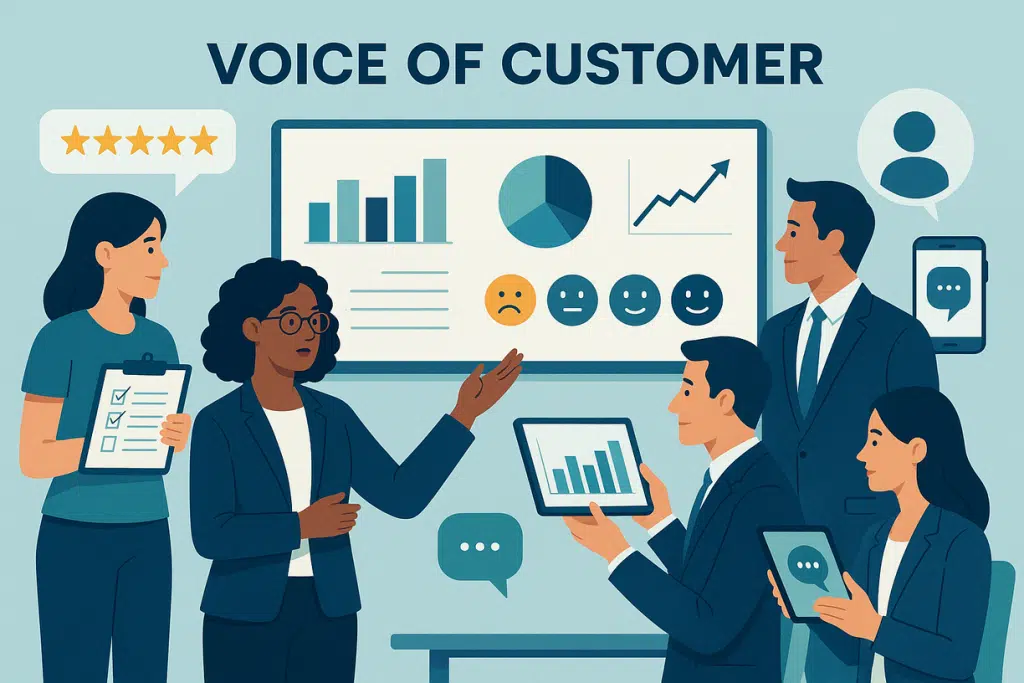
A culture of continuous improvement begins with frequent feedback loops and transparent communication. Teams that review feedback monthly and pivot their offerings remain attuned and responsive to market needs. Over time, this makes clients sticky and less prone to shop elsewhere.
Upsell Pathways
| Upsell Pathway | Client Need Example | Value Added |
|---|---|---|
| Product Bundling | Convenience | Saves time, money |
| Priority Support | Faster help | Less wait, peace of mind |
| Extended Warranty | Security | Reduces risk, long-term value |
| Customization | Unique needs | Tailored experience |
Customizable packages provide clients choices that fit their budget or address a particular pain point. A customer purchasing commodity services could benefit from a discounted package that includes premium support.
Training staff to listen for cues, like a need for more features or support, helps suggest the right upsell at the right moment. Monitoring upsell performance rates allows you to understand which offers are effective and which require modification. This hones your strategy so you’re always serving actual needs, not just shoving merchandise.
Loyalty Programs
A loyalty program provides customers a reason to come back and spread the word. It could be as easy as points rewards, first dibs on new products, or return-customer discounts. Be explicit about the rules and the advantages.
Use simple language and provide examples, so customers are clear on what they will receive. Track who engages and how they utilize the program. Use feedback to adjust rewards so they remain relevant. When customers reach milestones, recognize them by sending a note of appreciation or a bonus gift.
It’s a small gesture that can increase interaction and make customers feel appreciated. Loyalty isn’t just points. Personalized communication, such as remembering a client’s birthday or sending customized offers, can further strengthen relationships. Since 75% of clients say this drives repeat purchases, it’s a step worth the effort.
The Client Magnet Mindset
The client magnet mindset is a way of thinking that helps people attract ideal clients with less effort and more ease. It’s about authenticity, demonstrating tangible value, and establishing genuine bonds that endure. When you prioritize value, demonstrate patience, and remain adaptable, you can assist clients in trusting you and returning.
Value First
When people perceive the value in what you do, they return or refer. In other words, prioritize your clients’ benefits over simply closing a deal. For instance, post useful how-tos, respond to questions before they are asked, or offer advice that addresses a genuine need. Mini-lessons via blog posts or short videos can work across many disciplines, from consulting to digital design.
Offering a free first meeting or trial of your service demonstrates what you’re capable of. It allows clients to experience your abilities firsthand, which makes it easier for them to have faith in you. A simple checklist or quick audit can allow clients to experience your distinctive manner of working.
This way, you differentiate yourself from everyone who just talks about their services. What makes you different counts. Perhaps you are more prompt in responding to emails, use a specific tool, or specialize in a certain background. Inform clients and demonstrate.
That way, they understand why you’re the best fit for them and not just an option.
Patience
Trust building isn’t quick. It requires time to demonstrate that you care about what your clients require. Hurrying to seal the deal can make clients feel like they’re a statistic. Really get to know each person and what they care about.
Following up is part of demonstrating you appreciate the relationship. A little note to say ‘hi’ or provide an update goes a long way toward keeping that connection strong. It’s not about being pushy. It’s about being there when they’re ready.
Recognize even the tiny progress steps. Perhaps someone responded to your email or a customer left a positive review. These are indicators that you’re on the right track.
Adaptability
Markets evolve, client needs evolve. The Client Magnet Mindset shows how someone with a client magnet mindset keeps up with trends and is open to new ways of working. Industry news and online groups can help you identify shifts early.
Client feedback is essential. If a client says they want shorter reports or different meeting times, attempt to comply. It demonstrates you hear and care about making it work for them.
Experimenting with new avenues for connecting with people, such as webinars and social media posts, can aid in discovering what fits. Services with range: If you’re flexible with your services, for example, if you offer both online and in-person courses, it’ll be easier for clients to pick you.
Conclusion
To get clients all the time, concentrate on actual action. Just show up, do good work, talk to people and stay in touch. Use obvious offers and patch holes quick. Be open to criticism. Create trust — one job and one talk at a time. Keep it simple, but never stop looking for ways to do better. A lot of folks get new work by making the first offer of value. As I’m sure you know, good work and consistent chatter often lead to recurring work. How about you do something and want to see change? Test one new thing from above today. Take small steps, test what works and keep going. Connect, be vulnerable and watch it flourish. Be truthful, be straightforward and be persistent.
Frequently Asked Questions
How can I build a strong client foundation?
Start by defining your ideal client’s problem and managing their expectations. Be transparent and fulfill commitments. This establishes trust and prepares the groundwork for a long-term relationship.
What is a consistency blueprint for getting clients?
My consistency blueprint is essentially a step-by-step plan for getting clients on a consistent basis. It has you establish a daily or weekly outreach goal, track your results, and adjust your approach based on what’s most effective.
How does service excellence help attract more clients?
Take care of clients and they will be happy to refer or return to you with more work. To stand out, always provide quality, be responsive, and fix problems quickly.
Why is strategic networking important for client acquisition?
Strategic networking builds your network and your opportunities. Concentrate on making real connections with individuals in your industry. Go places, join online communities, and provide value.
What are the best ways to retain clients long-term?
Keep in touch, provide value, and request feedback. Handle issues quickly and keep up with your clients’ evolving needs. Robust retention results from direct active care.
How does mindset affect your ability to attract clients?
An optimistic, can-do mentality allows you to recognize fresh openings and brush off rejection with more ease. Trust your worth, remain inspired, and continue educating yourself. This draws many more clients and keeps you progressing.
How can I measure if my client acquisition strategies are working?
Keep an eye on important numbers like new client inquiries, conversion ratios, and repeat business to name just a few. Utilize this information to determine what’s working and tweak. Frequent check-ins yield steady progress.