

Key Takeaways
- Lead generation for service businesses is a combination of content marketing, SEO, referrals, and partnerships to get in front of different audiences.
- Optimizing your sales funnel and site design can increase lead conversion by providing obvious calls to action and making it easy for prospective clients to navigate.
- Automation, CRMs, and a smart follow-up cadence keep you engaged, nurturing and efficient.
- By consistently tracking key performance metrics and calculating ROI, you will ensure your strategies are data-driven and your resources are allocated efficiently.
- Prioritizing lead quality, follow-up, and data review helps you steer clear of these issues and achieve better results in your lead generation efforts.
- Trust, great client experiences, and a strong personal brand are crucial for long-term growth and loyalty.
Lead gen for service businesses is discovering and acquiring new clients that desire your services. Service businesses tend to have online forms, calls, and social media to get to more people.
Obvious offers and prompt responses foster trust and maintain prospect engagement. Simple sites and real reviews go a long way.
To complete the view on lead generation, the following sections provide actionable guidelines and tips for sustainable growth of your service business.
Core Strategies
Service business lead gen requires a strategy centered on transparency, credibility, and actual worth. You want to connect with those who require your services and establish trust, so they’re eager to participate. The following approaches are proven to help service businesses draw in quality leads:
- Publish expert content to address pain points and gain attention.
- Referral programs reward clients for sharing.
- Form partnerships with other businesses to grow your reach.
- Take advantage of targeted paid ads to locate the right audience.
- Use SEO to boost your presence in search results.
1. Content Marketing
Quality content attracts people who want solutions and assistance. Write blogs and articles that discuss the real issues your customers care about. Keep it simple, solution-oriented, and never forget to include those ubiquitous cross-cultural examples.
Providing guides, white papers, or eBooks behind a light registration form allows you to capture contact information. Make these assets actionable and data driven, so they come across as worth the trade.
Your videos help explain what you do in a short time. Take viewers behind the scenes of your services, demonstrate how your team operates, or feature satisfied customers telling their stories. Video establishes trust and is highly viral.
Test webinars CORE STRATEGIES of things your audience cares about. These can be great lead generators, particularly if you run them for free.
Broaden your reach by posting on your website, social media, and email newsletters. Every channel helps you discover diverse groups, so your information disseminates more widely.
2. Search Engine Optimization
SEO helps people discover your site when they look for a service like yours. Speak in the language your audience speaks. This increases the SEO of your content. If you serve a local area, employ local SEO to be discovered by those in the vicinity.
See how visitors use your site. Use that information to tweak your keywords, pages, or layout to make things easier for users. Ensure your site is nice on phones and functions well.
A lot of leads are from mobile users, so this step is crucial.
3. Referral Programs
Referral programs allow satisfied customers to do the marketing for you. Provide incentives, such as discounts or presents, for every new individual they refer to you. Inform clients of your program in emails and on social media.
Keep track of which referrals bring good leads. Thank and involve those who assist. That keeps it spinning.
4. Strategic Partnerships
Find complementary businesses with the same audience. Collaborate with them to exchange leads or co-host events. Both sides can share what works, exchange contacts, and thrive together.
Check in on these alliances once in a while to ensure they still align with your objectives.
5. Paid Advertising
Google or social ads can be directed at the people you seek. ICYMI: Hard core strategies.
Experiment with various ad formats, such as videos or carousels, to understand what generates more clicks or signups. Review your ad stats to find out what works and make changes that increase results.
Optimizing Your Funnel
Optimizing your funnel means shaping it around three main steps: awareness, consideration, and decision. At every step, fill with content that matches what prospects need. Good funnel design isn’t really about pushing more leads to the tail end; it’s about making every step obvious, valuable, and easy.
A solid funnel lets you identify exactly where people drop off and repair those vulnerabilities. Employing the right metrics, tracking movement through your leads, and acting on feedback are crucial components.
Website Design
This is where a user-friendly website is often the first point of contact for leads. If a site is difficult or sluggish, they bounce away quickly. Clear navigation makes it easy for visitors to locate what they’re looking for.
Employ clean menus and intuitive architecture so nobody gets lost. By strategically positioning lead capture forms in smart spots, such as your home page, blog posts, or service pages, you facilitate the collection of visitor information.
Don’t be greedy; begin with a name and email, then earn credibility before requesting additional information. Your site should load in under two seconds and function well on phones and tablets. A slow or clunky site can lose leads before you even get started!
Colors, fonts, and images should correspond with your brand, and keep it simple to maintain focus.
Landing Pages
If you’re optimizing your funnel, dedicated landing pages beat sending everyone to your home page. Every campaign or offer should have its own page with one objective. One substantial how-to guide that answers real questions will attract more quality leads than a cluster of skimpy posts.
A compelling headline informs visitors exactly what they receive immediately. Copy should be brief and benefit-driven, demonstrating the advantages and the means to proceed. Your calls-to-action (CTAs) should pop.
Opt for straightforward language like “Get Started” or “Download Now.” No clutter — keep the page clean. Less distraction leads to more conversions. Experiment with different designs, visuals, and calls-to-action to determine the most effective combination.
Just a few little tweaks can really increase your conversion rates.
Personalization
Personalization boosts engagement throughout the funnel. Use data to segment by actions and interests. This way you can message people more directly. Dynamic content, like showing different offers based on what someone’s seen, makes your site feel relevant.
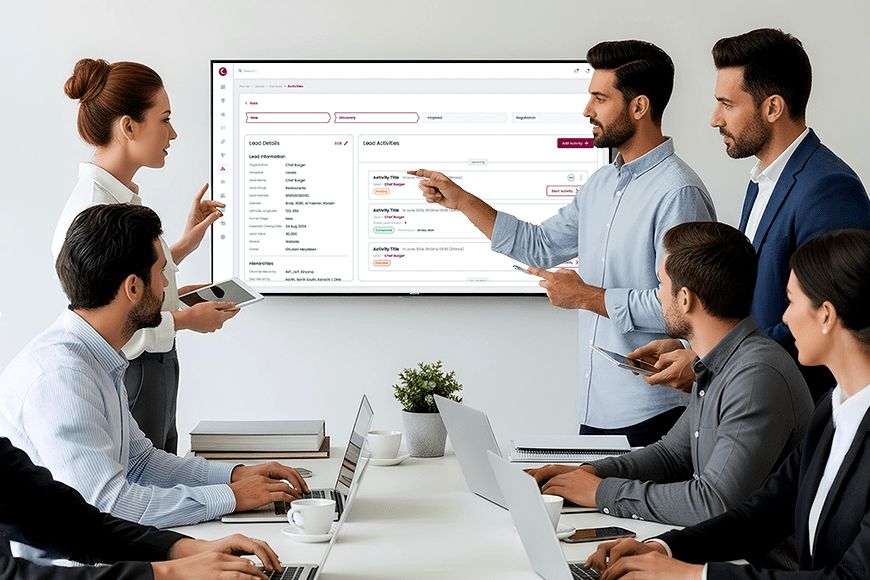
Emails should use names, reference past actions, and recommend next steps connected to what someone cares about. Automate tasks like lead scoring and follow-up emails to keep leads moving.
Bring all your lead data together in a single location for a complete view into the journey. Retarget the interested nonconverts with targeted ads or other reminders to return.
Customer input allows you to identify some holes and understand what your prospects desire. Hear, tune, and maintain your funnel unclogged and truthful. If you have a well-optimized funnel with conversion rates from 5 percent to 15 percent, you depend on regular testing, obvious data, and actionable tweaks.
Nurturing and Conversion
Trust building with leads is a slow process requiring frequent interaction and transparent value. Service businesses should think of nurturing as five or more touch points before a lead is even receptive to a sales conversation. It’s not about one email or one call; it’s about being there with informative updates, timely answers, and valuable content across channels.
This checklist covers core nurturing strategies:
- Welcome after they sign up or show interest.
- Establish an email sequence that delivers educational content, addresses typical queries, and demonstrates your offerings’ value. Distribute this content over weeks or months.
- Give your leads tips, guides, and stories that matter to them on email and social media.
- Monitor lead activities, such as clicking on links or downloading guides, to predict when they are prepared for a sales call.
- Use lead scoring to segment contacts by behavior and engagement.
- Compare your content to what gets the best response and adjust.
As we’ve discussed in the past, it can take a dozen or more emails before a lead is ready to buy. Personalization is the key, using a lead’s name, making updates relevant to their needs, and making each message feel direct. Nurturing is ongoing, not a “one and done” move.
CRM Integration
CRM system not only helps keep lead data organized, but allows easy visibility into each prior interaction. With all contacts and notes in one place, service teams dodge lost info and double outreach. CRM analytics assist in identifying trends, such as which emails are opened or which services generate the most inquiries, allowing teams to adjust their strategy.
Others allow you to automate reminders and follow-ups, minimizing manual effort. Train your entire team to use the CRM so no lead falls between the cracks. It helps you segment leads by interest and readiness to buy.
Automation
Automated tools save time and keep lead nurturing consistent even after hours. For instance, email automation can send a series of messages tailored to the lead’s behavior, such as providing a guide after a download or a reminder after event registration.
Chatbots on service sites can answer simple questions, capture contact info, and schedule calls so that no visitor slips through the cracks. Automation can segment leads by behavior, directing hot leads immediately to sales and maintaining others in the nurture stream.
Follow-up Cadence
Follow-up, follow-up, follow-up. A predetermined schedule, note after two days, call after a week, check-in every month, maintains your business in a lead’s consciousness. Engage via a combination of emails, calls and even social media at times, customized to what the lead was previously interested in.
Switch up timing and channels if you encounter low response rates, always trying to align with what converts best for each lead. Personal touches in each message, such as referencing a previous conversation or a particular need, can assist in progressing leads toward a decision.
Measuring Success
Measuring lead generation for services businesses is about tracking the right numbers and using that data to inform decisions. It’s not just how many leads you get, but how many turn into real customers and how much value they bring. Regular measuring and transparent metrics keep a team accountable and allow them to refine their strategy.
Key performance indicators for lead generation include:
- Conversion rate (leads to customers)
- Cost per lead (CPL)
- Lead quality score
- Lead source/channel performance
- Return on investment (ROI)
- Engagement rates (open/click rates)
- Number of qualified leads
- Customer lifetime value (CLV)
Analytics tools are a big part of it. They assist in monitoring lead sources, engagement on your site or within emails, and top performing campaigns. Platforms such as Google Analytics, CRM dashboards, and email marketing reports provide a comprehensive screenshot of your funnel.
Going over these numbers regularly can reveal patterns, such as what days generate the highest quality leads or which content gets the most engagement. These insights identify vulnerabilities or new opportunities to expand.
What the data shows is that tweaking your approach accordingly is crucial. If one channel gets more leads but for more money, you may want to allocate budget or experiment with new messaging. You’re trying to keep testing, learning, and tweaking to get the best results with the resources you have.
Key Metrics
| Metric | Description | Example |
|---|---|---|
| Conversion Rate | % of leads that become customers | 15% |
| Cost Per Lead (CPL) | Campaign cost divided by number of leads | €10 per lead |
| Lead Quality Score | Score based on actions or fit with ICP | 75/100 |
| Engagement Rate | % of emails opened or clicked | 28% open, 12% click |
| Qualified Leads | Leads meeting set criteria for sales follow-up | 120 out of 500 |
Monitor your lead quality. All leads are not created equal. Cold leads need nurturing, warm leads are interested, and qualified leads will buy. Lead scoring assists by prioritizing leads in terms of their behavior and how well they match your ICP.
If you’re noticing a high conversion rate among the leads with scores above 70, it’s a good indication that your targeting is effective. Engagement metrics matter. High email open or click rates indicate your message matches what people desire.
If rates slide, it might be time to try some new headlines or offers. Reporting features allow you to view these figures in clear charts, making it easier to identify what is effective.
ROI Calculation
| Method | Key Considerations |
|---|---|
| (Revenue – Cost) / Cost | Include both direct and long-term revenue |
| Cost Per Lead (CPL) | Divide total campaign cost by leads |
| Customer Lifetime Value (CLV) | Factor in future purchases |
ROI isn’t just about fast victories. It encompasses immediate revenue and the lifetime value of repeat customers. Good tracking ties revenue directly to individual campaigns, so you know which ones deliver.
Tweaking budgets by ROI means you put your money where it does the most good. This helps in making smarter, data-driven decisions and keeping efforts centered on what really counts.
Common Pitfalls
Service businesses have the same problems growing their list of prospects. These blunders can stall sales, squander resources, and damage long-term confidence. Acknowledging and patching these problems allows companies to extract more from their lead generation efforts.
- Quantity trumps quality and produces abysmal conversion rates.
- Not defining the target audience results in irrelevant leads.
- Delayed or inconsistent follow-up wastes potential opportunities.
- Lead generation as a one-and-done action results in gaps in your results.
- Not qualifying leads properly generates more work for less outcome.
- Lack of integration across channels leads to missed opportunities.
- Not tracking or evaluating lead sources prevents ongoing improvement.
Ignoring Quality
The myth that a larger leads pool leads to more customers is a common pitfall. That in turn can often lead to chasing numbers, not results. If your business neglects lead qualification, you’ll be left with lengthy lists full of irrelevance.
For instance, 500 leads with a handful that fit your client profile costs you more time and energy than a small, tightly fit list. Lead scoring models can help you sort leads by readiness to buy. These models allow teams to concentrate efforts on the most likely prospects.
Targeted marketing, whether it’s serving ads to a particular segment or doing personalized email campaigns, attracts people who are a good fit for the service. Frequent lead quality reviews enable you to pivot quickly if your existing approaches aren’t working, preventing wasted effort and increasing your conversion rates.
Inconsistent Follow-up
Not following up with leads quickly is an all too common mistake. If a company waits too late to answer, interest might dissipate. Studies demonstrate that waiting over an hour to respond can drastically lower the opportunity for a sale.
Rapid, consistent follow-up makes your business memorable and demonstrates you care about the client’s interests. Schedule follow up emails or calls – set reminders or use tools. That way, no lead falls through the cracks.
Tracking response rates and doing minor adjustments like time of contact or message style can optimize results. Teaching sales teams to appreciate diligent outreach establishes trust and significantly improves the chances of converting a lead into a lifelong customer.
Neglecting Data
Disregarding data can signify overlooking essential truths about what is effective and what isn’t. Utilizing analytics tools allows you to track trends and adjust your marketing efforts. For instance, measuring which channels deliver the highest quality leads helps teams invest more heavily in what’s effective.
This is where keeping an eye on your lead data comes in handy. This means looking for trends in your leads’ journey through the sales funnel. Making sure your business is in step with data privacy laws is no less important.
Trust is difficult to earn back if lost. Buying quality lead tracking systems saves time and can help identify gaps or opportunities early.
The Human Element
In lead gen for service businesses, the human element defines every step. Service sales are about more than clever automation or sharp tools. Humans like to be listened to, valued, and appreciated. This means being authentic, sincere, and considerate in your outreach.
A combination of compassion, craftsmanship, and focused purpose sets the stage for faith, great connection, and enduring persuasion. AI can assist, but it’s the human element, how you speak, listen, and appear, that transforms a cold contact into a loyal client.
Building Trust
Trust begins with candid conversation. Service businesses shine when they don’t hide fees or switch their story. Regular, direct responses are important. Testimonials and case studies provide evidence.
Nothing accomplishes that better than sharing genuine customer stories — with their approval — which breeds trust. For instance, a cleaning service sharing before and after pictures or a consultant sharing client growth charts allows others to visualize what’s authentic.
Social media is where you connect, not just pitch. Answering questions and providing tips in places like LinkedIn or Instagram demonstrates that you’re both knowledgeable and passionate about helping. Distributing guides or checklists that tackle issues such as “How to select the right web designer” is a great way to demonstrate you’re here for more than just a transaction.
Client Experience
A good lead flow is nothing without a good client experience. From initial response to final handshake, every interaction counts. Straightforward directions and immediate responses establish the mood.
Small things like a thank-you note after a call or a follow-up if they download your pricing sheet demonstrate you care. Requesting feedback enables you to address pain points and identify effective aspects. For instance, a repair service could push a quick survey after a booking.
Easy to get started with a short form, a straightforward intro call, or a step-by-step guide eliminates friction and creates comfort. Delighted customers become return business and word-of-mouth.
Personal Branding
A powerful personal brand is not a logo or a tagline — it’s how you show up, day after day. People want to buy from someone they like and trust. Posting on socials — sharing insights or a behind-the-scenes look — makes you memorable.
Opening up with candid lessons, particularly about when you fell or learned, can humanize you. For example, discussing the transition from desperation to determination in sales resonates with others dealing with the same.
Chatting with other pros, participating in online groups, or just attending events opens new doors and keeps you front and center for referrals.
Conclusion
Service businesses earn trust by making things real and straightforward. Lead generation is most effective when it has defined stages. Short forms, quick responses, and straightforward communication go a long way. Warm reminders and fast solutions to obstacles keep leads flowing. Numbers indicate effectiveness, so monitor them frequently and make adjustments as necessary. They want genuine concern, not sales cold calls. Lead generation is for service businesses. Stay dialed in, observe patterns, and experiment. To continue expanding, learn from customer input and experiment with new approaches to outreach. For additional tips or assistance on your own plan, drop a line and say hi.
Frequently Asked Questions
What is lead generation for service businesses?
Lead generation involves drawing in and scoring potential customers who have an interest in your service. It allows your business to develop a list of leads on which to base future sales and expansion.
Which core strategy works best for service businesses?
Offering something of value, such as a guide or a free consultation, works great. It establishes credibility and incentivizes visitors to provide their information for follow-up.
How can I optimize my lead generation funnel?
Streamline your forms, have obvious calls to action, and make sure your site is mobile-friendly. A slick user experience makes it more likely that you will capture quality leads.
Why is nurturing leads important?
Lead nurturing creates relationships and trust. It keeps your business in front of mind and makes it more likely prospects will opt for your service when it is time.
What metrics should I track to measure lead generation success?
Monitor conversion rate, cost per lead, and lead quality. These metrics tell you what works and steer you to do it even better.
What are common pitfalls in lead generation for services?
Typical screw ups are fuzzy messaging, lagging response, and not following up. These errors can turn potential leads away.
How does the human element influence lead generation?
Things like fast responses and personalized touches make prospects feel special. This builds trust and gives you a better chance of converting leads into loyal customers.