

Key Takeaways
- A membership model allows consultants to provide continuous value and assistance and generate consistent income for their businesses.
- Clear membership tiers, transparent pricing and effective technology can help you meet a variety of client needs and streamline your operations.
- Providing continuous value through quality content, frequent updates, and engaging community aspects will be key to member happiness and retention.
- Retention strategies, including personalized communication and renewal incentives, keep a loyal membership base in place and minimize churn.
- Tracking metrics such as engagement, retention, and profitability keeps your membership model effective and sustainable.
- Consultants ought to constantly adjust offerings from member feedback and industry trends to optimize the value and attractiveness of their membership models.
A membership model for consultants is one where consultants provide advice and services via paid, recurring access. Clients pay a fixed amount, usually every month, to receive ongoing support, specialized content or coaching.
Most consultants leverage this model to provide consistent value and create enduring relationships with clients.
The main body will demonstrate how to construct, value, and operate a consulting membership model.
Model Defined
In this case, a membership model for consultants is how you provide ongoing services and support to clients for a recurring fee. Unlike a consulting project, this is repeatable transformation—you don’t hand a client a report or a brief; you solve their problem over time.
Consultants depend on this approach to cultivate reliable revenue streams, strengthen client relationships, and deliver value that compounds with every interaction. A defined membership model establishes clear start and end dates for programs, such as a 90-day advisory cohort or an annual access package, so it’s easy for consultants and clients to see progress and results.
The model is defined by providing recurring value, not access, and the retention rate is frequently the key metric.
1. Structure
Your membership model needs to be defined. This framework includes everything from how members are welcomed and introduced to the service to how content is delivered, whether via periodic emails, online portals, or member dashboards.
Defining membership levels allows consultants to cater to a spectrum of clients, from entry-level clients who want surface-level advice to advanced clients who require expert deep-dives. Transparent pricing is key. Members have to be able to see that the price equals the value they’re getting, whether that’s on a monthly, quarterly, or yearly basis.
Technology plays a big role, as well. It assists with automating sign-ups, payment management, and content delivery. Everything makes the process seamless for both consultant and client.
2. Tiers
Membership models frequently have various levels: basic, premium, exclusive, with varying benefits. A simple level could grant access to monthly group calls, whereas a deluxe level may contain one-on-one sessions and customized reports.
By providing a variety of choices, consultants can appeal to a larger audience and budget, attracting more individuals and boosting the likelihood that they will continue. For example, a consulting firm might use three levels: a starter tier with resources and group support, a mid-level with workshops and feedback, and a top tier with direct access to the lead consultant.
This tiered structure allows clients to select the support level best suited to them.
3. Value
The key to a membership model’s value is the promise of continuing useful assistance. They anticipate tangible outcomes, such as enhanced business workflow and smarter decisions, rather than information overload.
It’s the recurring value that creates membership, trust, and loyalty. Consultants need to check in frequently, refresh resources, and inject new tools to keep things fresh. This continual cycle keeps the membership valuable and relevant as client needs evolve.
4. Delivery
Services and content can be presented in a variety of formats, including courses, monthly webinars, guides, and live question and answer sessions. Assistance doesn’t end at the content. Members frequently require help implementing, so check-ins and resource sharing are important.
Community interaction, such as group chats or forums, increases engagement and allows members to learn from one another. All of this has to come together seamlessly, with a simple-to-use platform accessible from any device, so members remain engaged and active.
5. Community
Community is a crucial component of a membership model. When members feel part of a community, they’re more likely to stay and derive additional value from the service.
Consultants can drive engagement by establishing discussion forums, organizing group chats, or operating online meetups. Social media groups or forums allow members to exchange experiences and questions and form relationships.
This feeling of belonging not only helps retention but makes the membership more valuable for everyone.
Key Advantages
There are a number of advantages to a membership model for consultants. Establishing reliable revenue sources and providing clients with value through innovative approaches can assist consultants in adapting to market fluctuations and serving varying demands.
Revenue
Membership models provide consultants with consistent income. Rather than pursuing one-off engagements, consultants can anticipate recurring revenue every month or year. This predictability simplifies budget planning and can simplify investing in new software or services.
A consultant offers an entry-level membership at 30 USD per month for group calls and a premium tier at 100 USD per month with personal coaching. To provide flexibility, a few consultants have pricing plans that enable monthly and yearly payments, so clients can choose what’s best for their budget.
| Pricing Model | Description | Revenue Impact |
|---|---|---|
| Monthly | Pay each month | Consistent, manageable flow |
| Yearly | Pay once a year | Higher upfront income |
| Tiered | Different levels, more perks | Attracts wider client base |
| One-time/Hybrid | Mix of fees and memberships | Flexible, captures more leads |
Membership plans can be tiered to suit varying client requirements. Some clients may desire digital assets alone, while others require live calls or support. Consultants are able to provide appendages or team up with others for benefits such as discounts to niche events or specialized webinars, generating additional revenue streams.
Seventy-one groups derive just 14.7 percent of their revenue from subscriptions alone, so sponsorships and partnerships can make a big difference.
Retention
Retaining customers is as important as acquiring them. With a membership model, consultants can build long-term relationships by providing ongoing support and access to exclusive resources. This consistent value keeps members engaged and drives churn, which in thriving groups can be under 5%.
Retention depends on effective communication, frequent updates, and feedback loops. Members who get their needs addressed are members who stay. Certain consultants employ surveys to verify desired client needs and to modify services.
Some established online community members can swap ideas and get quick responses. Renewal incentives work great. Early renewal discounts or bonus content for loyal subscribers provide people with additional incentive to continue their membership.
Scalability
Membership models are designed for growth. When additional clients come on board, the work doesn’t necessarily increase at the same pace. For example, a consultant can hold a group webinar for 50 people with the same effort as for 10. Digital platforms simplify managing large groups, fielding questions, and delivering content at scale.
That’s where automation tools come in. Scheduling, billing, and content delivery can run on auto pilot, leaving consultants free to dedicate time to new thought or new clients.
As the client base expands, consultants can introduce additional levels of services, like advanced workshops or personal check-ins, without a large cost increase. Cross-selling fits nicely with this model. Trusted consultant members are more willing to purchase additional courses or special sessions.
This combination of choices enables consultants to address varying demands and increase revenues as they grow.
Potential Pitfalls
To be sure, shifting to membership can help consultants generate recurring revenue and cement relationships with their clients. It comes with a hodgepodge of pitfalls. From over-complicating their offers to struggling with churn, many consultants face some serious issues.
These pitfalls can drain resources, deflate satisfaction, and endanger growth. Common challenges include:
- Making the membership offer too complicated, confusing, and internally complex.
- Not keeping content or value in line with member expectations.
- Struggling to keep up with regular content delivery.
- Pricing or positioning the membership too low diminishes value.
- Neglecting churn rates, causing unstable revenue streams.
- Not adapting sales and commission processes for recurring payments.
- Ignoring member feedback, missing chances to improve the offer.
Content
Content is what retains members. If the content stinks, so does the engagement. Members want new, useful content that addresses actual issues.
This demands a constant stream of fresh content, not only at launch but for the duration of the membership. To earn trust, it helps to have a variety of formats. We all consume differently.
Providing multiple formats addresses more learning styles and keeps things fresh. For instance, a monthly live Q&A, short how-to videos, and a resource library can all have broad appeal.
It’s simple to over-think content planning, particularly initially. Scaling and adapting, consultants allow letting it simple. A first take, constructed in six months or less, should prioritize evergreen subjects and formats that are simple to generate.
Over time, member feedback can mold what to add or drop.
Value
It’s all about perceived value. If members don’t think they’re receiving sufficient value, they’ll exit. That implies consultants must continue validating whether the advantages correspond with member desires.
There’s a temptation to underprice the deal in order to get more people, but this can be counterproductive and reduce satisfaction. Frequent updates, features and ready support maintain the value.
Collecting this kind of feedback through surveys or direct chats helps you catch issues before they become problems. Matching offers to member needs, such as incorporating exclusive tools or enhanced support, can differentiate a membership.
Value isn’t just about content; it’s about feeling heard and supported.
Churn
Churn, in particular, is a danger. Nearly 40% of customer subscriptions are canceled within 6 months. Things like no value, poor content, or poor support are what cause members to flee.
High churn leaves revenue streams shaky, especially with monthly and not annual payments. Tracking churn helps identify problems. Retention efforts like personalized emails or check-ins can help.
Sales teams need to transition from closing one-off deals to ongoing relationships, impacting commissions. Determining member satisfaction helps direct improvements on an ongoing basis, allowing you to retain more members for longer.
Implementation Guide
One way for consultants to build long-term relationships, grow their revenue, and cultivate community is through a membership model. A robust implementation guide is essential, and to succeed you’ll need well-defined steps, appropriate tools, and a carefully crafted strategy that aligns with the needs of an international audience.
- Set specific goals. Begin with the ‘why.’ Determine whether the membership model is focused on growing your recurring revenue, cultivating client loyalty, or delivering exclusive value. Objectives ought to be clear and quantifiable. For instance, a consultant may wish to grow their member base by 20 percent annually or boost engagement with monthly webinars.
- Know your people. Use research to find out what your members want most. That might be weekly sleuthing, a members-only chatroom, or access to specialized software. Be sure that advantages align with actual requirements.
- Map out the program. Provide a single level or several levels with distinct advantages and cost. Tiered choices can attract a broader spectrum of customers, from fledgling operations to well-established companies.
- Choose the appropriate technology. Select a convenient platform that includes payments, content delivery, and community features. It has to be easy to use, particularly by members across the ocean.
- Establish communication streams. Newsletters, forums, or WhatsApp groups keep members connected and up to date.
- Sort out a marketing plan. Leverage social media, email, and testimonials to target the right audience and establish trust in the program.
- Roll it out and gather impressions. Solicit input via surveys or direct contact. Use the information to tweak benefits, price, or copy as you see fit.
- Track and tweak. Follow metrics such as sign-ups, engagement, and retention. Utilize analytics and consistent member feedback to iterate over time.
Pricing
| Pricing Strategy | Description | When to Use |
|---|---|---|
| Cost-based | Price set by adding profit margin to costs | Simple offerings, low risk |
| Value-based | Price reflects perceived member value | High-value, niche market |
| Competitor-based | Price in line with rivals’ memberships | Saturated industries |
| Tiered pricing | Multiple levels, each with increasing value | Broad client base |
In terms of pricing, analyze demand in your market, what competitors are charging, and what members will pay. Be transparent and tell people exactly what tiers include and what members receive for their payment. This establishes trust.
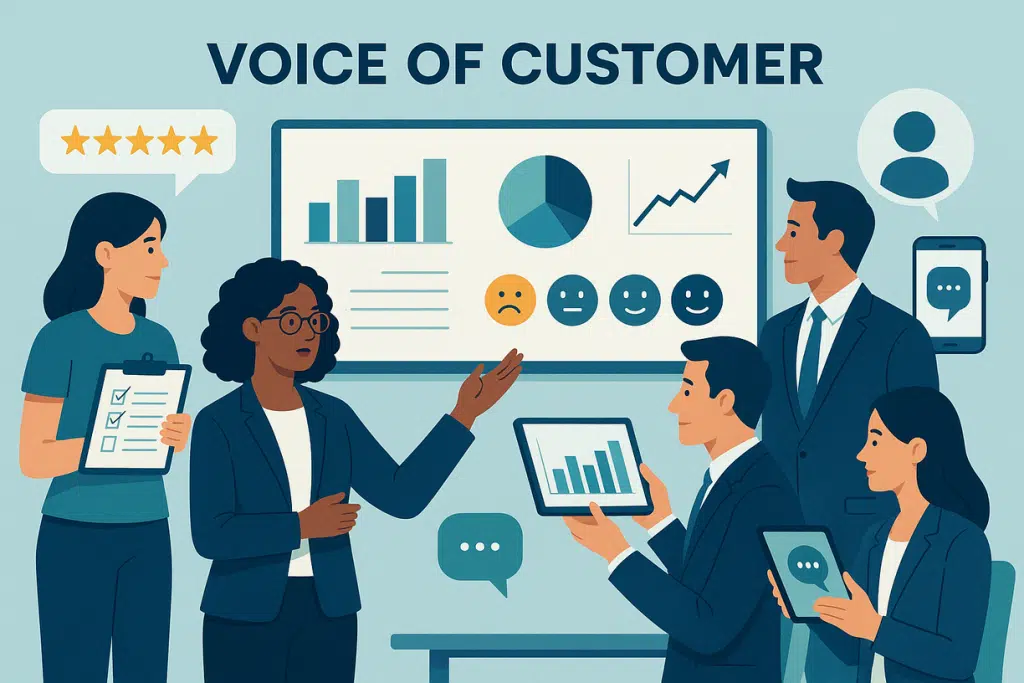
Think about using discounts or limited-time offers to bring in new members or during slow times.
Technology
A CRM system logs member details, renewals, and engagement. Membership platforms manage sign-ups, payments, and content distribution. Analytics tools reveal what’s working, such as hot resources or active members.
With a simple, easy-to-use design, it allows anyone to find out and participate, regardless of location or technical ability. Ongoing tech support is required to patch bugs or respond to inquiries promptly.
Marketing
Social media and email campaigns do a great job of driving membership models to the world. Direct your messaging to the appropriate recipients with specific wording about what members receive.
Testimonials and case studies lend credibility, particularly from clients in other areas. Employ surveys and feedback to polish the message and increase worth for prospective members.
Success Metrics
Consultants’ membership models are based on specific, measurable results. Success Metrics tracking the right metrics provide a comprehensive view of the effectiveness of the model, the behavior of members, and identify places for improvement. Whether it’s member engagement, retention, revenue growth, or satisfaction, these metrics are at the heart of data-driven decision making.
Engagement
- Hold regular community events for connection, including monthly webinars and Q&As.
- Or facilitate peer discussion through online forums or chat groups.
- Offer interactive content, including workshops, quizzes, or live polls.
- Implement a points or badge system to reward participation and advancement.
- Distribute customized email updates to keep members connected.
- Get engagement and competition going with launch challenges or contests.
- Provide members with early access to fresh resources or exclusive offers.
Engagement is not just a numbers game. Newsletter open rates, event attendance, and active discussion all demonstrate the level of engagement among members. Gamification, such as rewards for most contributions or streaks for attending a certain number of events, can spark motivation.
Consistent, transparent communication sustains the community and helps make members feel involved.
Retention
Nothing says a program is healthy more than members staying year after year. Personalized messages, remembering milestones, or sending tailored resources demonstrate to members that they matter. Specialized products, like niche workshops or custom reports, satisfy diverse demands and allow members to experience continuing value.
Continued assistance is important. Rapid answers to inquiries, a resource library, and continuous access to expert guidance all boost satisfaction. If a member leaves, exit interviews or surveys can identify pain points. Perhaps the content wasn’t a good fit or scheduling was challenging.
This feedback informs subsequent iterations. Retention implies monitoring churn. Low churn and high annual retention demonstrate the program delivers for members. Qualitative metrics, such as variety of events or speed of assistance, complete the picture.
Profitability
A membership program’s financial success depends on consistent revenue and sensible expenses. Member recurring revenue, monitored through total member dollars and the percentage of total income from members, provides a solid foundation for budgeting. Important figures are ARPU, which identifies upsell or cross-sell opportunities and spikes in membership income.
Costs count as well. Your CAC and your LTV have to be balanced, with LTV higher. Upselling add-on services or custom packages can boost margins without high acquisition costs.
Sustainable growth signifies that members receive actual value from their payment.
The Human Element
The human factor is central to a membership model for consultants. It molds how members experience, study, and develop within the system. Putting the human element first instead of just process or tooling is what really changes how effective the model is for all involved.
A robust human-centered philosophy can direct how consultants operate and bond, even across industries and cultures. This attitude transcends business; it’s about knowing how human beings tick and how they lead, regardless of where they find themselves and what they happen to do.
Creating strong member connections is critical to a great experience. These bonds ensure members feel noticed, which creates trust. For instance, easy things like remembering a member’s name or following up post-workshop go a long way.
When members feel like more than a number, they are more likely to stick around, provide feedback, and engage. Over time, these little efforts build up to grow enduring connections that fortify an entire community.
Customer success teams are a big part of this journey. Their role is to assist members at all points, from enrollment through goal attainment. It might be as easy as responding to queries quickly or as complicated as assisting members in plotting a learning path tailored to their requirements.
These teams can detect pain points in advance, provide patches, and guide users to resources appropriate for their development. When a consultant’s customer success team is proactive and accessible, members receive greater value and are less likely to churn.
Equally important is knowing what members need and want. That means paying attention to feedback, observing trends, and posing direct queries. Armed with this data, consultants can optimize their services by developing new workshops, guides, or one-on-one sessions.
For instance, if a certain group of members is interested in digital marketing, the consultant could curate experts or start a special series around that. Customizing the experience demonstrates consideration for members’ time and assists them in accomplishing their objectives more quickly.
Community-building adds a new dimension. Organizing meetups, forums, or virtual discussion groups provides members somewhere to share experiences, request guidance, and assist one another. These spaces help members build trust with one another, not just the consultant.
Over the long run, this community can translate into greater loyalty and deeper engagement. Members who belong tend to help each other, share their successes, and remain engaged in the community.
Conclusion
A membership model provides consultants a reliable path to establish credibility with clients. It keeps consulting crystal-clear with fixed prices, regular subscriptions and transparent conversations. With this arrangement, folks can better schedule their work and cash flow. Most have an easier time holding on to clients for the long haul. Naturally, some bumps may pop up, such as fuzzy value or snail-paced growth. With concrete plans and actionable steps, the majority can address those. They often rely on online tools or quick check-ins to keep things flowing. To optimize a membership model, align with your objectives, select the tools that match your style, and communicate frequently with your clients. Test out minor adjustments and find what works for you.
Frequently Asked Questions
What is a membership model for consultants?
Membership model for consultants Clients pay a subscription for access to resources, guidance, or specialized content.
How does a membership model benefit consultants?
It delivers reliable revenue, fosters customer fidelity, and enables flexible service provision. Consultants can bill more clients without working harder.
What are the common pitfalls of using a membership model?
Common pitfalls are unclear value, weak onboarding, and lack of engagement. Without planning, members leave or do not use it.
How do consultants set pricing for a membership model?
Consultants price based on value provided, market rates and audience needs. You have to align your pricing with the benefits.
What metrics show success in a consultant’s membership model?
Metrics: retention, MRR, engagement. Monitoring these assists in gauging expansion and contentment.
Can a membership model work for any consulting niche?
Yes, membership models exist for pretty much any niche. It’s all about providing continuous value and knowing your clients.
How do consultants keep members engaged in a membership program?
Providing members with regular updates, exclusive content, interactive events, and responsive support all help to keep them engaged in your program.