

The global wellness market has reached $1.5 trillion, with mindfulness emerging as a critical component of modern marketing strategy [1]. Recent research reveals a stark 60-percentage point gap between executive perceptions of customer trust (90%) and actual consumer trust levels (30%), highlighting the urgent need for authentic, mindful marketing approaches [2]. As 80% of consumers express a willingness to pay a 9.7% premium for sustainably produced goods, businesses that integrate mindfulness principles into their marketing strategies are positioned to capture significant competitive advantages [3]. This comprehensive analysis examines the intersection of mindfulness, consumer behavior, and business performance, providing evidence-based insights for marketing professionals navigating the evolving landscape of conscious consumerism.
Why Mindfulness in Marketing is Critical for 2025 and Beyond
The marketing landscape has undergone a fundamental transformation as consumers increasingly demand authenticity, transparency, and purpose-driven engagement from brands. Traditional marketing approaches, characterized by loud messaging and flashy advertisements, are losing effectiveness in an era where 85% of consumers report experiencing first-hand the disruptive effects of climate change in their daily lives [3]. This environmental awareness, combined with growing skepticism toward corporate communications, has created an imperative for businesses to adopt more mindful, conscious approaches to marketing strategy.
McKinsey’s comprehensive research on the global wellness market reveals that mindfulness has emerged as one of six critical wellness categories driving consumer behavior, alongside health, fitness, nutrition, appearance, and sleep [1]. The wellness industry’s remarkable growth trajectory—expanding at 5-10% annually to reach $1.5 trillion globally—demonstrates that mindfulness is not merely a passing trend but a fundamental shift in how consumers approach purchasing decisions and brand relationships.
The business case for mindful marketing extends beyond consumer preferences to encompass measurable performance improvements. Harvard Business Review research documents that meditation and mindfulness practices have migrated from “Himalayan hilltops and Japanese Zendos to corporate boardrooms and corridors of power, including Google, Apple, Aetna, the Pentagon, and the U.S. House of Representatives” [4]. This institutional adoption reflects growing recognition that mindfulness enhances decision-making capabilities, strategic thinking, and leadership effectiveness.
Viktor Frankl’s foundational insight that “between stimulus and response, there is a space. In that space is our power to choose our response,” [4] has particular relevance for marketing strategy in 2025. As the University of Virginia’s Timothy Wilson notes, human brains process over 11 million bits of information per moment, leading to decision-making based on old frames, memories, and associations rather than present-moment awareness [4]. Mindful marketing practices create the necessary space for both marketers and consumers to make more intentional, values-aligned choices.
The accelerating pace of technological change and information overload underscores the urgency of adopting mindful marketing approaches. Digital transformation has created unprecedented opportunities for brand-consumer interaction, with 46% of consumers now purchasing products directly through social media—a dramatic increase from 21% in 2019 [3]. However, this digital proliferation has also intensified consumer concerns about data privacy, with 83% citing personal data protection as crucial for earning their trust [3].
Furthermore, the post-pandemic business environment has heightened consumer awareness of corporate responsibility and authentic purpose. Companies that fail to demonstrate a genuine commitment to stakeholder well-being risk losing market share to competitors who embrace mindful marketing principles. The integration of mindfulness into marketing strategy represents not just an ethical imperative but a competitive necessity for businesses seeking sustainable growth in an increasingly conscious marketplace.
The Consumer Trust Crisis: Understanding the Perception Gap
One of the most significant challenges facing modern marketers is the dramatic disconnect between executive perceptions of customer trust and actual consumer sentiment. PwC’s 2024 Trust in Business Survey reveals a sobering reality: while 90% of business executives believe customers highly trust their companies, only 30% of consumers actually report high levels of trust [2]. This 60-percentage point gap represents not just a measurement discrepancy but a fundamental misalignment that threatens business sustainability and growth.

The trust crisis extends beyond customer relationships to encompass employee engagement as well. The same PwC research demonstrates that 86% of business executives believe employee trust is high, compared to 67% of employees who actually report high trust levels in their employers [2]. This 18-percentage-point employee trust gap, while smaller than the customer gap, has increased compared to previous years, indicating a deteriorating trend in internal stakeholder relationships.
| Stakeholder Group | Executive Perception | Actual Trust Level | Trust Gap | Source |
|---|---|---|---|---|
| Customers | 90% | 30% | 60 percentage points | PwC 2024 |
| Employees | 86% | 67% | 18 percentage points | PwC 2024 |
The implications of this trust crisis are profound and measurable. Despite the gap, 93% of business executives acknowledge that the ability to build and maintain trust improves the bottom line, with 49% strongly agreeing with this statement [2]. This recognition creates a compelling business case for addressing trust deficits through more authentic, mindful marketing approaches that prioritize genuine stakeholder value over short-term promotional gains.
The trust crisis is particularly acute in the digital realm, where consumers express heightened concerns about data privacy and corporate transparency. Research indicates that 83% of consumers consider personal data protection one of the most crucial factors for earning their trust, while 80% demand assurances that their personal information remains private [3]. However, only 52% feel confident in understanding how their data is stored or shared, highlighting a significant transparency gap that mindful marketing practices can address.
Trust erosion has accelerated across multiple institutions, creating both challenges and opportunities for businesses. PwC’s research notes that “trust in many institutions is declining, which is why it’s at a premium in business” [2]. Companies that proactively address trust deficits through mindful marketing strategies can differentiate themselves from competitors and capture market share from organizations that fail to prioritize authentic stakeholder relationships.
The trust gap also manifests in consumer behavior patterns that directly impact marketing effectiveness. Traditional advertising channels face declining credibility, with consumers increasingly relying on peer recommendations and authentic brand experiences rather than corporate messaging. This shift necessitates a fundamental reorientation toward mindful marketing approaches that emphasize genuine value creation, transparent communication, and consistent alignment between brand promises and actual performance.
Addressing the trust crisis requires more than superficial messaging adjustments; it demands a comprehensive transformation of marketing philosophy and practice. Mindful marketing provides a framework for rebuilding trust through present-moment awareness, authentic engagement, and genuine commitment to stakeholder well-being. Organizations that embrace this approach position themselves to capture the significant competitive advantages available to trusted brands in an increasingly skeptical marketplace.
The Sustainability Premium: Consumer Willingness to Pay for Values
The intersection of mindfulness and sustainability represents one of the most significant opportunities for modern marketers, as consumers demonstrate unprecedented willingness to pay premiums for products and services that align with their values. PwC’s 2024 Voice of the Consumer Survey, encompassing over 20,000 consumers across 31 countries and territories, reveals that 80% of consumers express willingness to pay more for sustainably produced or sourced goods [3]. More remarkably, these consumers are willing to pay an average premium of 9.7% for products that meet specific environmental criteria, even as cost-of-living pressures and inflationary concerns weigh heavily on purchasing decisions.
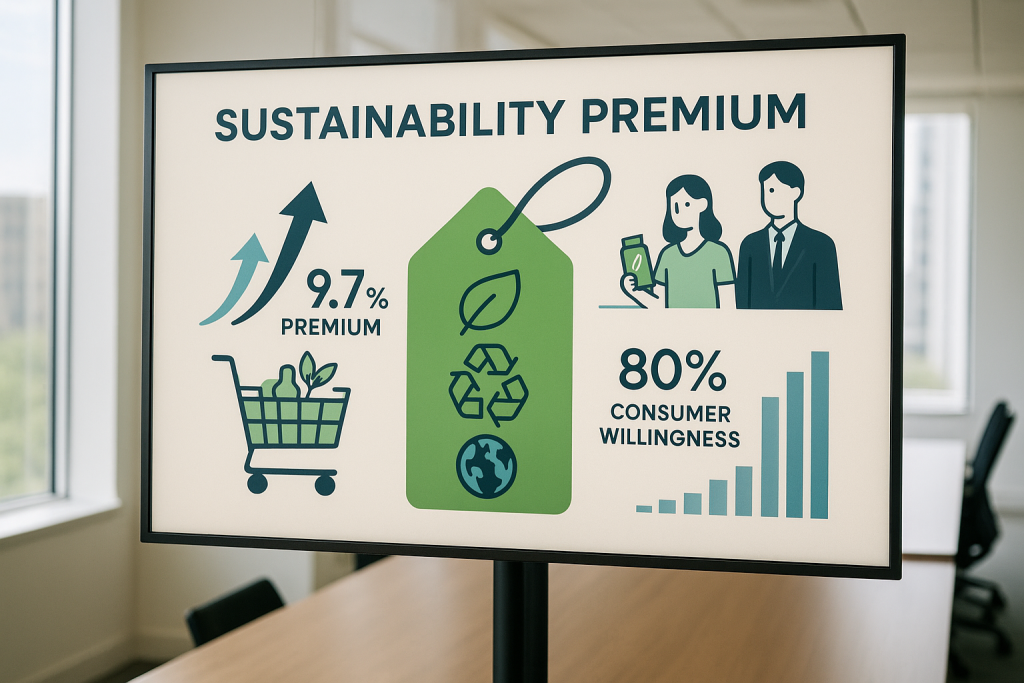
This willingness to pay sustainability premiums occurs against a backdrop of significant economic pressure. One-third (31%) of consumers cite inflation as the number-one risk to their country or territory, with 62% expecting groceries to represent their most significant expenditure increase [3]. The fact that consumers maintain commitment to sustainability spending despite these financial constraints underscores the depth of values-driven purchasing behavior and the potential for mindful marketing strategies to capture this premium.
| Consumer Behavior | Percentage | Action Type | Source |
|---|---|---|---|
| Willing to pay sustainability premium | 80% | Financial commitment | PwC 2024 |
| Willing to pay a sustainability premium | 9.7% | Price tolerance | PwC 2024 |
| Buying more sustainable products | 46% | Purchase behavior | PwC 2024 |
| Making more considered purchases | 43% | Mindful consumption | PwC 2024 |
| Experiencing climate change effects | 85% | Environmental awareness | PwC 2024 |
The drivers behind sustainability premium willingness are deeply rooted in personal experience and mindful awareness. An overwhelming 85% of consumers report experiencing first-hand the disruptive effects of climate change in their daily lives [3]. This direct environmental impact creates a sense of urgency and personal responsibility that translates into purchasing behavior. Nearly half (46%) of consumers actively buy more sustainable products as a way to reduce their environmental impact, while 43% make more considered purchases to reduce their overall consumption [3].
Consumer assessment of sustainability extends beyond superficial marketing claims to encompass tangible, measurable attributes. Research indicates that 40% of consumers evaluate production methods and recycling practices, 38% prioritize eco-friendly packaging, and 34% seek evidence of positive impact on nature and water conservation [3]. This sophisticated evaluation framework requires marketers to move beyond greenwashing toward authentic sustainability practices that can withstand consumer scrutiny.
The mindful consumption trend manifests in specific behavioral changes that create opportunities for aligned brands. Consumers are planning to increase fresh fruit and vegetable consumption (52%) and reduce red meat intake (22%) [3]. Additionally, 32% report eating different foods, 31% are traveling less or differently, and 24% are purchasing or planning to purchase electric vehicles [3]. These behavioral shifts represent substantial market opportunities for companies that can authentically connect their products and services to mindful, sustainable living practices.
However, the sustainability premium opportunity comes with important caveats and limitations that mindful marketers must acknowledge. Harvard Business Review research reveals a significant gap between stated intentions and actual behavior, noting that while 65% of consumers say they want to buy purpose-driven brands that advocate sustainability, only about 26% actually do so [5]. This “intention-action gap” highlights the importance of addressing practical barriers to sustainable consumption, including price sensitivity, convenience factors, and product availability.
The sustainability premium also varies significantly across demographic segments and product categories. McKinsey research indicates that younger consumers, particularly Gen Z and millennials, demonstrate a higher willingness to pay for sustainable products. At the same time, older demographics may prioritize other factors such as quality, convenience, or price [6]. Geographic variations also exist, with consumers in developed markets generally showing higher sustainability premium tolerance than those in emerging economies, where basic affordability remains a primary concern.
Successful capture of the sustainability premium requires integration of mindfulness principles throughout the marketing mix. This includes transparent communication about environmental impact, authentic commitment to sustainable practices, and recognition of the limitations and trade-offs inherent in any sustainability initiative. Mindful marketing approaches acknowledge that perfect sustainability is often unattainable while demonstrating genuine progress toward more responsible business practices.
The business implications of the sustainability premium extend beyond immediate revenue opportunities to encompass long-term competitive positioning. Companies that establish authentic sustainability credentials and build trust with environmentally conscious consumers create defensive moats against competitors and position themselves for continued growth as environmental awareness continues to expand. However, this positioning requires sustained commitment and continuous improvement rather than one-time marketing campaigns or superficial sustainability initiatives.
Strategic Applications of Mindfulness in Marketing
The integration of mindfulness principles into marketing strategy extends far beyond meditation practices or wellness messaging to encompass fundamental approaches to decision-making, stakeholder engagement, and value creation. Harvard Business Review research demonstrates that mindfulness can improve organizational strategy by creating space between stimulus and response, enabling more thoughtful, intentional decision-making processes [4]. This capability proves particularly valuable in marketing contexts where rapid response to market changes, consumer feedback, and competitive pressures often leads to reactive rather than strategic thinking.
Academic research published in Management Review Quarterly provides a comprehensive framework for understanding mindful marketing applications across multiple dimensions [7]. The systematic literature review, analyzing studies from 2002-2022 in journals with impact factors greater than 1.0, reveals that mindful marketing encompasses three core elements: balanced approaches that avoid excessive consumerism, informed choice facilitation for societal well-being, and authentic relationship building between brands and stakeholders.
One of the most significant strategic applications involves the transformation of customer relationship management from transactional to relational approaches. Traditional marketing often focuses on immediate conversion and short-term revenue generation, while mindful marketing prioritizes long-term relationship building and mutual value creation. This shift requires marketers to adopt what UCLA’s Richard Rumelt describes as “insightful reframing of competitive situations” that can “create whole new patterns of advantage and weakness” [4].
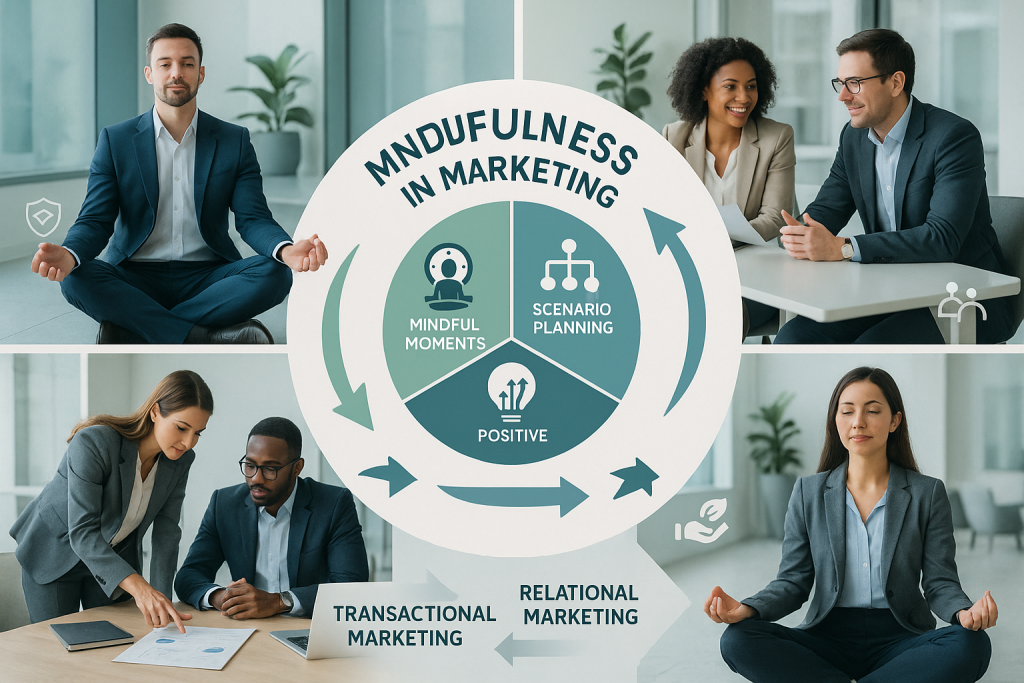
The practical implementation of a mindful marketing strategy involves three key methodological approaches identified in Harvard Business Review research [4]. First, organizations can integrate “mindful moments” into strategic planning processes, creating deliberate pauses for reflection and awareness during decision-making. These moments allow marketing teams to step back from immediate pressures and consider broader implications of their strategies and tactics.
Second, mindful marketing embraces scenario planning exercises that explore alternative futures and challenge existing assumptions. This approach, successfully employed by corporations including Shell and governments including Singapore, opens decision-makers to multiple plausible outcomes and inherently challenges mindsets that might otherwise limit strategic thinking [4]. In marketing contexts, scenario planning helps teams prepare for various consumer behavior shifts, competitive responses, and market conditions while maintaining flexibility and adaptability.
Third, mindful marketing incorporates positive outcome visualization as a strategic tool. Research by Daniel Goleman demonstrates that “pessimism narrows our focus, whereas positive emotions widen our attention and our receptiveness to the new and unexpected” [4]. Marketing teams that regularly envision optimal organizational outcomes develop enhanced creativity and strategic thinking capabilities, translating into more innovative campaigns and approaches.
The application of mindfulness to marketing communications represents another critical strategic dimension. Rather than relying on attention-grabbing tactics or manipulative persuasion techniques, mindful marketing emphasizes authentic storytelling, transparent communication, and genuine value proposition articulation. This approach aligns with consumer preferences for authenticity, as evidenced by the 67% of consumers who use social media to discover new brands and the 70% who seek reviews to validate companies before making purchases [3].
Mindful marketing also transforms the approach to data and analytics, moving beyond purely quantitative metrics to incorporate qualitative insights about consumer well-being, satisfaction, and long-term value creation. While traditional marketing often optimizes for immediate metrics such as click-through rates, conversion rates, and short-term revenue, mindful marketing considers broader impacts, including customer lifetime value, brand reputation, employee satisfaction, and societal benefit.
The integration of mindfulness principles into product development and innovation processes creates additional strategic advantages. Companies that practice mindful marketing engage in deeper consumer research, seeking to understand not just what customers want but why they want it and how products or services can contribute to their overall well-being. This approach often leads to more meaningful innovation and stronger product-market fit.
However, the strategic application of mindfulness in marketing also presents significant challenges and limitations that must be acknowledged. McKinsey research warns of the “risk of overcommercialization of mindfulness” and the potential for it to become “a bit of a gimmick” [1]. Authentic mindful marketing requires a genuine commitment to mindfulness principles, rather than merely adopting mindfulness language or imagery for marketing purposes.
The academic literature also identifies several research gaps that limit current understanding of mindful marketing applications [7]. There is no universally accepted definition of mindful marketing and consumption, and previous studies have focused more on sector-specific models rather than comprehensive frameworks. This lack of theoretical foundation can make it challenging for organizations to implement mindful marketing strategies consistently and effectively.
Furthermore, the measurement and evaluation of mindful marketing effectiveness present ongoing challenges. Traditional marketing metrics may not capture the full value of mindful approaches, which often prioritize long-term relationship building over short-term performance indicators. Organizations implementing mindful marketing strategies must develop new measurement frameworks that account for stakeholder well-being, brand authenticity, and sustainable value creation alongside conventional business metrics.
Despite these challenges, the strategic applications of mindfulness in marketing offer substantial opportunities for competitive differentiation and sustainable growth. Companies that successfully integrate mindfulness principles into their marketing strategies position themselves to build stronger stakeholder relationships, capture sustainability premiums, and navigate the increasing complexity of modern consumer expectations while maintaining authentic brand positioning and sustainable business practices.
Implementation Framework for Mindful Marketing
The transition from traditional to mindful marketing requires a systematic implementation framework that addresses organizational culture, strategic processes, measurement systems, and stakeholder engagement approaches. Based on research from Harvard Business Review, McKinsey, and academic institutions, successful mindful marketing implementation follows a structured progression that begins with leadership commitment and extends through all aspects of marketing operations [4][1][7].
The foundation of mindful marketing implementation rests on what McKinsey describes as “thinking about the individual as a whole person” rather than treating customers as components or segments [1]. This holistic perspective requires organizations to consider “the arc of their day or their year and where all that might fit in it” when developing marketing strategies and tactics. The implementation framework must therefore begin with a fundamental shift in how organizations conceptualize their relationship with stakeholders.
Phase 1: Leadership Development and Cultural Foundation
Successful mindful marketing implementation begins with leadership development that incorporates mindfulness principles into executive decision-making processes. Research demonstrates that leaders like Steve Jobs at Apple and Ray Dalio at Bridgewater Capital have successfully used mindfulness practices to enhance strategic thinking and challenge operating assumptions [4]. Organizations should invest in mindfulness training for marketing leadership teams, focusing on present-moment awareness, emotional regulation, and systems thinking capabilities.
The cultural foundation phase also requires the establishment of organizational values that prioritize stakeholder well-being alongside financial performance. This involves moving beyond superficial corporate social responsibility initiatives toward genuine integration of mindfulness principles into business operations. Companies must address the risk of mindfulness becoming “overcommercialized” or reduced to “a bit of a gimmick” by ensuring authentic commitment to mindful practices [1].
The second phase involves integrating mindfulness practices into strategic planning and decision-making processes. Harvard Business Review research identifies three specific methodologies for this integration [4]. Organizations should implement regular “mindful moments” during marketing meetings and strategic sessions, creating deliberate pauses for reflection and awareness. These moments help teams step back from immediate pressures and consider broader implications of their decisions.
Phase 2: Strategic Process Integration
Scenario planning exercises should be incorporated into marketing strategy development, exploring alternative futures and challenging existing assumptions about consumer behavior, market conditions, and competitive dynamics. This approach helps marketing teams develop greater flexibility and adaptability while avoiding reactive decision-making patterns that characterize traditional marketing approaches.
Positive outcome visualization should become a regular component of strategic planning sessions. Research indicates that positive emotions “widen our attention and our receptiveness to the new and unexpected,” enhancing creative thinking and strategic innovation capabilities [4]. Marketing teams should regularly engage in envisioning optimal organizational outcomes and stakeholder value creation scenarios.
Phase 3: Stakeholder Engagement Transformation
The third phase focuses on transforming stakeholder engagement approaches to prioritize authentic relationship building over transactional interactions. This requires the development of new communication frameworks that emphasize transparency, authenticity, and genuine value creation. Organizations must address the significant trust gaps revealed in PwC research, where executive perceptions of stakeholder trust dramatically exceed actual trust levels [2].
Customer engagement transformation involves shifting from persuasion-based marketing toward education and value-first approaches. Rather than focusing primarily on product promotion, mindful marketing prioritizes providing useful information, addressing genuine customer needs, and supporting informed decision-making. This approach aligns with consumer preferences for authentic brand experiences and peer recommendations over traditional advertising messages.
Employee engagement must also be transformed to support mindful marketing implementation. With 86% of executives believing employee trust is high while only 67% of employees actually report high trust levels [2], organizations must address internal stakeholder relationships as a foundation for authentic external marketing. This includes involving employees in mindful marketing strategy development and ensuring alignment between internal culture and external brand messaging.
Phase 4: Technology and Data Integration
The fourth phase addresses technology and data integration to support mindful marketing practices while respecting consumer privacy concerns. With 83% of consumers citing personal data protection as crucial for earning trust and only 52% feeling confident about how their data is stored or shared [3], organizations must implement technology frameworks that prioritize transparency and consumer control.
McKinsey research emphasizes the importance of “interconnectedness of data, interconnectedness of partnerships” as key opportunities for wellness-focused businesses [1]. However, mindful marketing implementation requires careful consideration of how data collection and usage align with stakeholder well-being rather than purely business optimization objectives.
Technology integration should support rather than replace human connection and authentic relationship building. While digital platforms enable scale and efficiency, mindful marketing maintains focus on genuine human needs and experiences rather than algorithmic optimization alone.
Phase 5: Measurement and Continuous Improvement
The final implementation phase establishes measurement systems that capture the full value of mindful marketing approaches beyond traditional performance metrics. Organizations must develop balanced scorecards that include stakeholder well-being indicators, brand authenticity measures, and long-term relationship quality assessments alongside conventional business metrics.
Continuous improvement processes should incorporate regular stakeholder feedback, mindfulness practice evaluation, and strategic approach refinement. The academic literature indicates that mindful marketing research is still evolving, with opportunities for theoretical extension and practical application development [7]. Organizations implementing mindful marketing should contribute to this knowledge base through careful documentation and sharing of their experiences and outcomes.
Implementation success requires recognition that mindful marketing is not a destination but an ongoing practice that requires sustained commitment and continuous refinement. Organizations must be prepared to invest in long-term capability development rather than expecting immediate results from mindful marketing initiatives. However, research demonstrates that companies successfully implementing mindful approaches can achieve significant competitive advantages through enhanced stakeholder trust, sustainability premium capture, and authentic brand differentiation.
Measuring ROI and Business Impact
The measurement of return on investment for mindful marketing initiatives presents unique challenges and opportunities that extend beyond traditional marketing metrics to encompass stakeholder well-being, brand authenticity, and long-term value creation. Research demonstrates that 93% of business executives agree that building and maintaining trust improves the bottom line, with 49% strongly agreeing with this statement [2]. However, quantifying the specific financial impact of mindful marketing approaches requires sophisticated measurement frameworks that capture both immediate and long-term value creation.
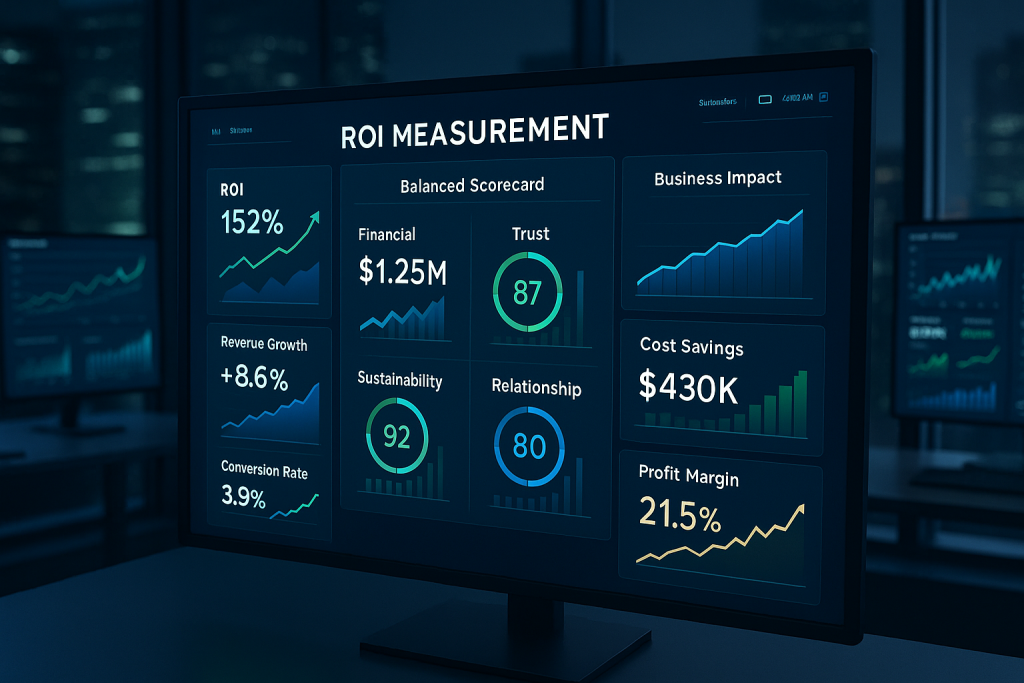
The business case for mindful marketing investment is supported by substantial evidence of positive ROI across multiple dimensions. Organizations implementing mindfulness programs report up to 200% return on investment, with measurable improvements in employee productivity, stress reduction, and decision-making quality [8]. When applied to marketing contexts, these benefits translate into enhanced creative thinking, improved stakeholder relationships, and more effective strategic planning capabilities.
Financial Performance Indicators
Direct financial measurement of mindful marketing ROI begins with an analysis of sustainability premium capture. PwC research demonstrates that 80% of consumers express a willingness to pay an average 9.7% premium for sustainably produced goods [3]. Companies successfully implementing mindful marketing strategies that authentically communicate sustainability commitments can capture significant portions of this premium, resulting in measurable revenue increases and margin improvements.
Customer lifetime value represents another critical financial indicator for mindful marketing ROI. Traditional marketing often optimizes for immediate conversion and short-term revenue, while mindful marketing prioritizes long-term relationship building that typically results in higher customer retention rates, increased purchase frequency, and enhanced word-of-mouth referrals. Research indicates that customers who trust a brand demonstrate significantly higher lifetime value compared to those with lower trust levels.
Cost reduction opportunities also contribute to mindful marketing ROI through improved efficiency and reduced customer acquisition costs. Authentic brand positioning and genuine stakeholder value creation often result in organic growth through referrals and positive reviews, reducing dependence on paid advertising and promotional spending. Additionally, mindful marketing approaches that prioritize employee engagement can reduce turnover costs and improve productivity across marketing teams.
Trust and Relationship Metrics
Given the significant trust gaps revealed in PwC research—where executive perceptions of customer trust (90%) dramatically exceed actual consumer trust levels (30%)—organizations implementing mindful marketing must establish robust trust measurement systems [2]. These systems should include regular stakeholder surveys, net promoter score tracking, and brand sentiment analysis that captures authentic relationship quality rather than superficial engagement metrics.
Employee trust measurement represents an equally important component of mindful marketing ROI assessment. With only 67% of employees reporting high trust in their employers despite 86% of executives believing employee trust is high [2], organizations must implement internal measurement systems that accurately capture employee engagement, satisfaction, and alignment with mindful marketing initiatives.
Brand authenticity metrics provide additional insight into mindful marketing effectiveness. These measurements should assess consistency between brand messaging and actual business practices, stakeholder perceptions of corporate sincerity, and alignment between stated values and observed behaviors. Authenticity measurement requires both quantitative surveys and qualitative feedback collection to capture nuanced stakeholder perceptions.
Sustainability and Social Impact Measurement
The measurement of sustainability and social impact represents a critical component of mindful marketing ROI assessment, particularly given consumer willingness to pay premiums for environmentally responsible products and services. Organizations should establish baseline measurements of environmental impact, social contribution, and stakeholder well-being, then track improvements resulting from mindful marketing initiatives.
Environmental impact measurement should include carbon footprint reduction, waste minimization, resource efficiency improvements, and supply chain sustainability enhancements. These measurements provide concrete evidence of authentic sustainability commitment that supports premium pricing and brand differentiation strategies.
Social impact measurement encompasses employee well-being, community contribution, and broader societal benefit creation. Research demonstrates that companies with strong sustainability practices often outperform financially over time, suggesting that social impact measurement can serve as a leading indicator of long-term financial performance [4].
Innovation and Creativity Metrics
Mindful marketing approaches often enhance organizational creativity and innovation capabilities through improved present-moment awareness, reduced reactive decision-making, and enhanced systems thinking. Organizations should measure innovation output, creative campaign effectiveness, and strategic thinking quality as components of mindful marketing ROI.
Innovation metrics might include new product development success rates, creative campaign originality scores, and strategic initiative effectiveness. These measurements help organizations understand how mindfulness practices contribute to competitive advantage through enhanced creative capabilities and strategic thinking.
Challenges and Limitations in ROI Measurement
Despite the potential for significant positive ROI, measuring mindful marketing effectiveness presents several challenges that organizations must acknowledge and address. The long-term nature of relationship building and trust development means that mindful marketing benefits may not appear immediately in traditional performance metrics. Organizations must be prepared to invest in measurement systems that capture leading indicators and long-term value creation rather than focusing exclusively on short-term results.
Attribution challenges also complicate mindful marketing ROI measurement, as the benefits of authentic stakeholder engagement and trust building often manifest across multiple touchpoints and time periods. Organizations may need to implement sophisticated attribution modeling that accounts for the cumulative impact of mindful marketing initiatives rather than seeking direct cause-and-effect relationships.
Additionally, the risk of “overcommercialization” identified in McKinsey research suggests that excessive focus on ROI measurement could undermine the authentic commitment to stakeholder well-being that forms the foundation of mindful marketing [1]. Organizations must balance measurement rigor with genuine commitment to mindfulness principles, ensuring that measurement systems support rather than compromise authentic mindful marketing implementation.
Successful mindful marketing ROI measurement requires integration of financial, relationship, sustainability, and innovation metrics into comprehensive dashboards that provide holistic views of value creation. Organizations that develop sophisticated measurement capabilities position themselves to optimize mindful marketing investments while maintaining an authentic commitment to stakeholder well-being and sustainable business practices.
Visual Framework and Data Analysis
The integration of data visualization and visual frameworks enhances understanding of mindful marketing principles and their business impact. The following charts and infographics synthesize key research findings from authoritative sources, including PwC, McKinsey, and Harvard Business Review, to provide clear, actionable insights for marketing professionals implementing mindful strategies.
Trust Gap Visualization
The trust perception gap represents one of the most critical challenges facing modern marketers. The following visualization illustrates the dramatic disconnect between executive perceptions and stakeholder reality, highlighting the urgent need for more authentic, mindful marketing approaches.
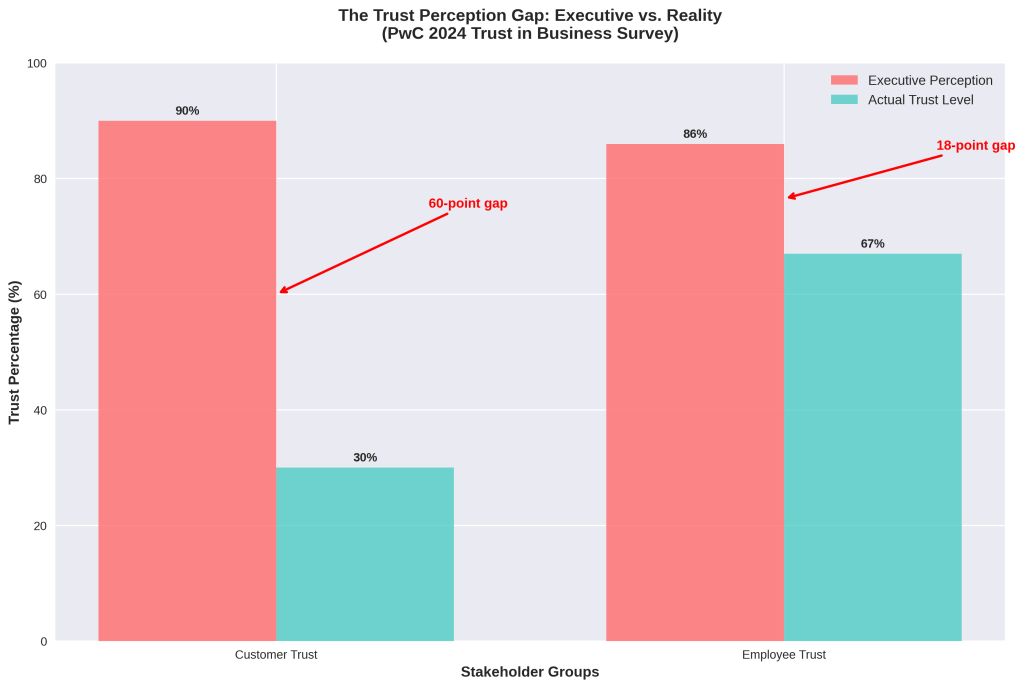
This visualization reveals the magnitude of trust misalignment that mindful marketing strategies must address. The 60-percentage point customer trust gap and 18-percentage point employee trust gap represent significant opportunities for organizations that can authentically rebuild stakeholder relationships through mindful approaches.
Sustainability Premium Analysis
Consumer willingness to pay sustainability premiums provides compelling evidence for the business case of mindful marketing. The following chart illustrates the substantial market opportunity available to companies that can authentically demonstrate environmental and social responsibility.
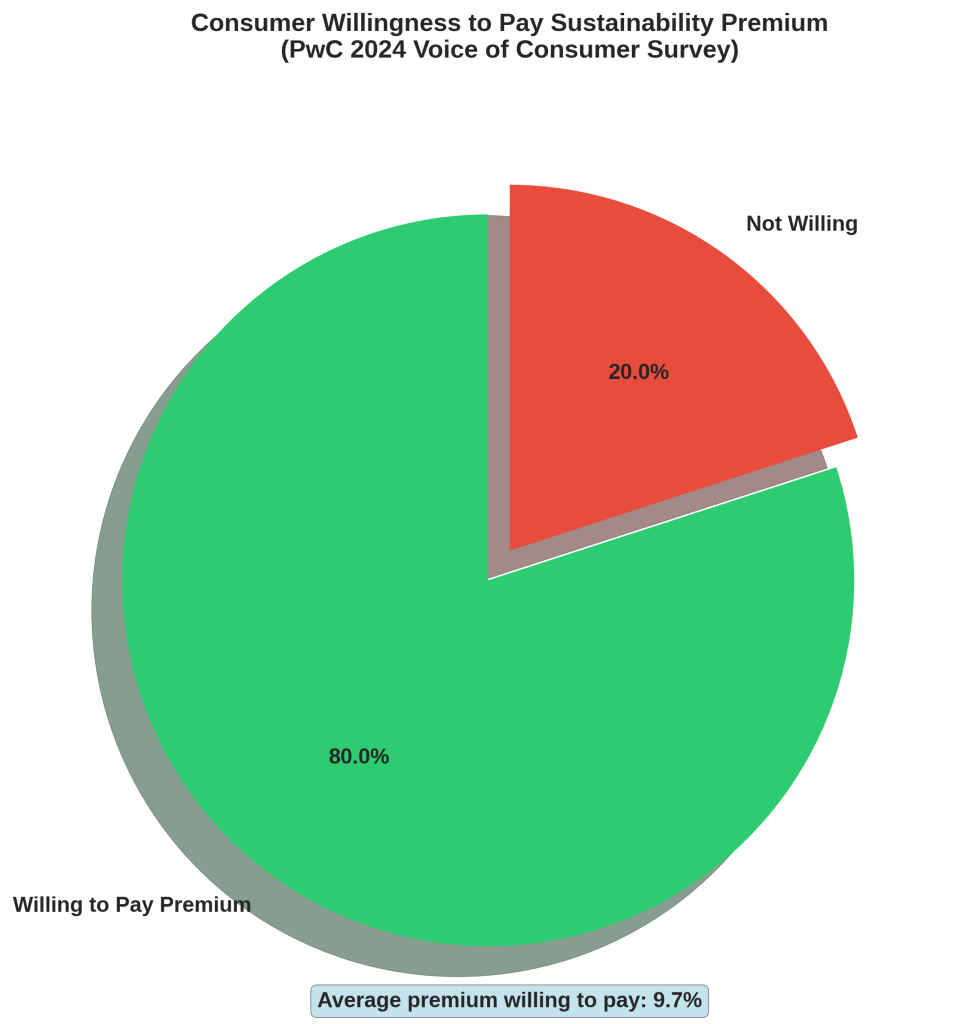
The 80% consumer willingness to pay sustainability premiums, combined with an average premium tolerance of 9.7%, represents a significant revenue opportunity for companies implementing authentic, mindful marketing strategies. This data demonstrates that values-driven marketing approaches can generate measurable financial returns while supporting stakeholder well-being.
Wellness Market Growth Trajectory
The global wellness market’s growth trajectory provides context for the increasing importance of mindfulness in marketing strategy. McKinsey research projects continued expansion of the $1.5 trillion wellness market at 5-10% annually, with mindfulness representing a critical component of this growth.
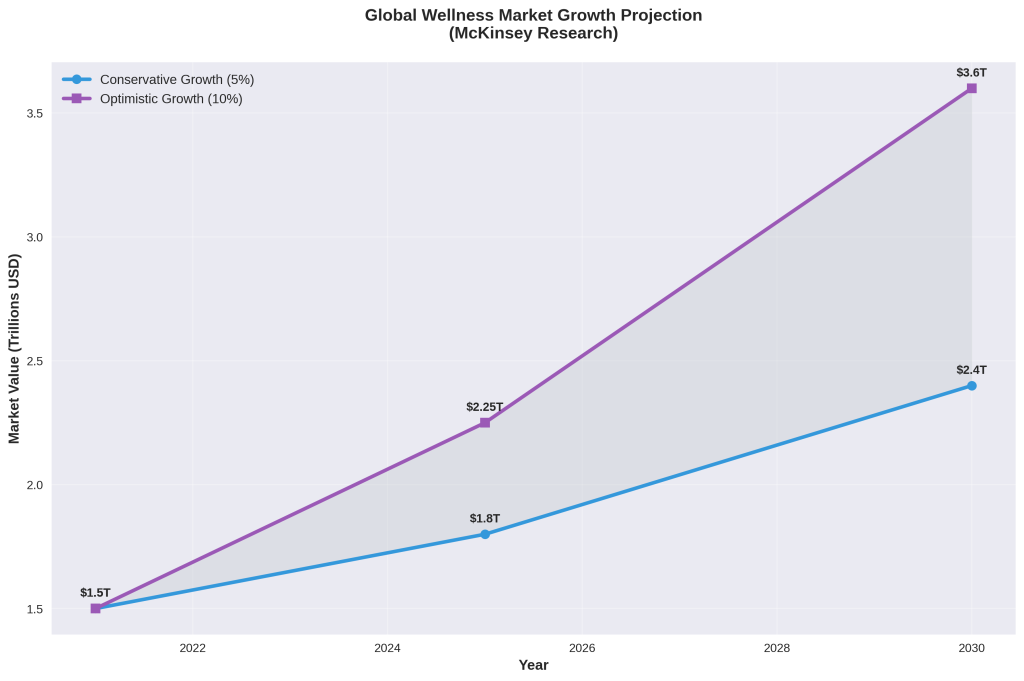
This growth projection illustrates the expanding market opportunity for mindful marketing approaches. As wellness becomes increasingly important to consumers, companies that integrate mindfulness principles into their marketing strategies position themselves to capture growing market share in this expanding sector.
Consumer Behavior Change Patterns
The following visualization demonstrates specific behavioral changes that create opportunities for mindful marketing strategies. These changes reflect growing consumer consciousness about environmental impact and personal well-being.
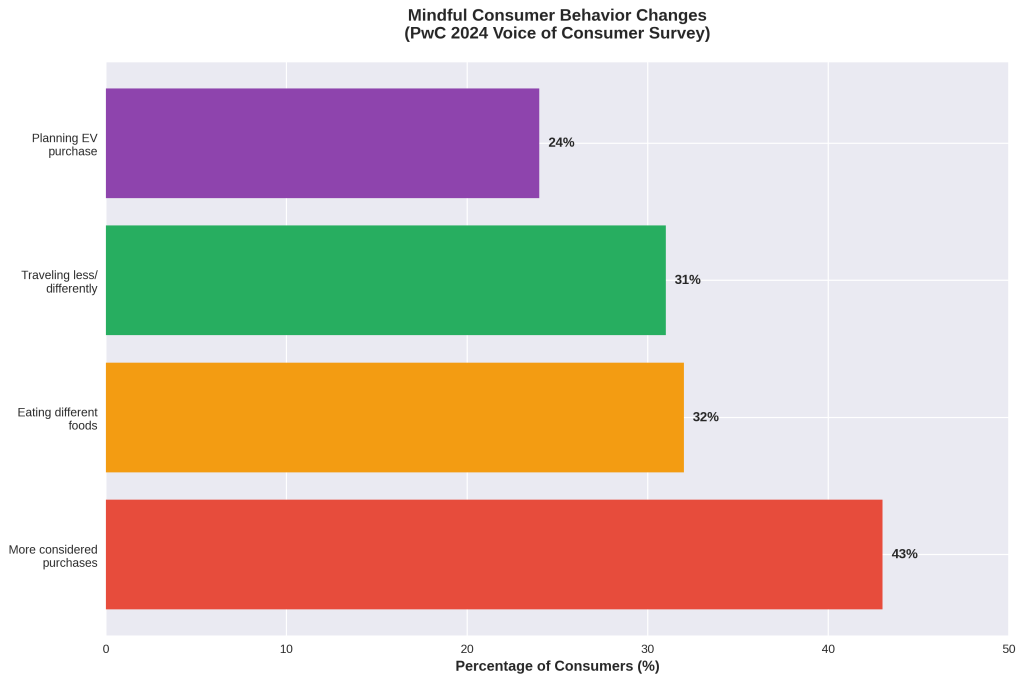
These behavioral changes demonstrate the practical manifestation of mindful consumption patterns. Companies that align their marketing strategies with these trends can capture market share from organizations that fail to recognize and respond to evolving consumer consciousness.
Wellness Market Category Breakdown
| Wellness Category | Market Size | Growth Rate | Key Trends | Source |
|---|---|---|---|---|
| Overall Wellness Market | $1.5 trillion | 5-10% annually | Technology integration | McKinsey 2021 |
| Mindfulness | Part of $1.5T | 5-10% annually | Wearables, apps, workplace programs | McKinsey 2021 |
| Health | Part of $1.5T | 5-10% annually | Home diagnostics, telemedicine | McKinsey 2021 |
| Fitness | Part of $1.5T | 5-10% annually | Hybrid gym/home solutions | McKinsey 2021 |
Educational Video Resources
The following educational videos provide additional insights into mindfulness applications in business strategy and wellness market trends:

These visual frameworks and data analyses provide concrete evidence for the business case of mindful marketing while illustrating the specific opportunities and challenges that organizations must navigate. The integration of quantitative data with visual presentation enhances understanding and supports evidence-based decision-making for marketing professionals considering mindful marketing implementation.
Practical Action Plan for Implementation
The transition to mindful marketing requires systematic implementation across multiple organizational levels and functional areas. The following action plan provides specific steps, timelines, and success metrics for organizations seeking to integrate mindfulness principles into their marketing strategies while capturing the business benefits demonstrated in research from PwC, McKinsey, and Harvard Business Review.
30-Day Quick Start Implementation
| Week | Action Items | Success Metrics | Resources Required |
|---|---|---|---|
| Week 1 | • Conduct stakeholder trust assessment • Establish baseline metrics • Form mindful marketing task force | • Trust gap measurement completed • Baseline data collected • Task force assembled | • Survey tools • Analytics access • Cross-functional team members |
| Week 2 | • Leadership mindfulness training • Review current marketing practices • Identify quick-win opportunities | • Leadership team trained • Practice audit completed • Opportunity list created | • Training facilitator • Process documentation • Analysis tools |
| Week 3 | • Implement mindful moments in meetings • Begin authentic messaging review • Start employee engagement initiatives | • Meeting practices updated • Message audit initiated • Employee feedback collected | • Meeting facilitation tools • Content review team • Employee survey platform |
| Week 4 | • Launch pilot mindful marketing campaign • Establish measurement dashboard • Plan 90-day expansion strategy | • Pilot campaign live • Dashboard operational • Expansion plan documented | • Campaign development resources • Analytics platform • Strategic planning time |
90-Day Strategic Implementation
Month 1: Foundation Building
- Complete comprehensive stakeholder trust assessment using PwC methodology to identify specific trust gaps
- Implement a leadership mindfulness training program focusing on present-moment awareness and strategic thinking
- Establish cross-functional, mindful marketing team with representatives from marketing, customer service, product development, and sustainability
- Conduct an authenticity audit of current marketing messages, comparing brand promises with actual business practices
- Begin integration of “mindful moments” into all marketing meetings and strategic planning sessions
Month 2: Process Integration
- Implement scenario planning exercises for major marketing decisions, exploring alternative outcomes and challenging assumptions
- Launch employee engagement initiatives to address the 18-percentage point trust gap identified in PwC research
- Begin transformation of customer communication approaches, prioritizing education and value creation over promotional messaging
- Establish a sustainability messaging framework that authentically communicates environmental commitments without greenwashing
- Develop measurement systems that capture relationship quality, brand authenticity, and stakeholder well-being alongside traditional metrics
Month 3: Campaign Launch and Optimization
- Launch a comprehensive mindful marketing campaign that demonstrates an authentic commitment to stakeholder well-being
- Begin optimization based on stakeholder feedback and performance data
- Implement an advanced measurement dashboard tracking trust metrics, sustainability premium capture, and long-term relationship indicators
- Establish continuous improvement processes for ongoing mindful marketing refinement
- Document lessons learned and best practices for organization-wide scaling
Implementation Checklist
Leadership Readiness Assessment
- ☐ Executive team committed to authentic mindfulness implementation (not just marketing messaging)
- ☐ Leadership willing to invest in long-term relationship building over short-term performance optimization
- ☐ Organizational culture supports transparency and authentic stakeholder engagement
- ☐ Resources allocated for mindfulness training and process transformation
- ☐ Measurement systems capable of capturing relationship quality and stakeholder well-being
Stakeholder Engagement Preparation
- ☐ Current trust levels accurately measured using validated assessment tools
- ☐ Customer feedback mechanisms established for ongoing relationship quality monitoring
- ☐ Employee engagement initiatives aligned with mindful marketing principles
- ☐ Supplier and partner relationships evaluated for alignment with mindfulness values
- ☐ Community impact measurement systems established
Marketing Process Transformation
- ☐ Mindful moments integrated into all marketing meetings and strategic sessions
- ☐ Scenario planning exercises incorporated into campaign development processes
- ☐ Positive outcome visualization practices established for creative development
- ☐ Authenticity review processes implemented for all marketing communications
- ☐ Sustainability messaging framework developed with authentic environmental commitments
Technology and Data Integration
- ☐ Data privacy practices aligned with consumer trust requirements (83% cite as crucial)
- ☐ Analytics platforms configured to measure relationship quality and long-term value creation
- ☐ Customer data usage is transparent and aligned with stakeholder well-being
- ☐ Technology supporting rather than replacing authentic human connection
- ☐ Digital platforms optimized for genuine value delivery rather than manipulation
Success Metrics and KPIs
| Metric Category | Specific KPIs | Target Improvement | Measurement Frequency |
|---|---|---|---|
| Trust Metrics | Customer trust levels, Employee trust scores, Brand authenticity perception | Reduce trust gaps by 50% | Quarterly |
| Financial Impact | Sustainability premium capture, Customer lifetime value, Cost per acquisition | Capture 5-10% premium | Monthly |
| Relationship Quality | Net Promoter Score, Customer retention rate, Employee engagement | Increase NPS by 20 points | Monthly |
| Innovation Metrics | Creative campaign effectiveness, Strategic thinking quality, Innovation output | Improve by 25% | Quarterly |
This action plan provides a structured approach to mindful marketing implementation while maintaining focus on measurable business outcomes. Organizations following this framework can expect to see initial improvements in stakeholder trust and engagement within 30 days, with more substantial business impact emerging over the 90-day implementation period. Success requires sustained commitment to authentic mindfulness principles rather than superficial adoption of mindfulness language or imagery.
Future Outlook: Trends and Risks
The future of mindful marketing will be shaped by accelerating technological advancement, evolving consumer consciousness, and increasing regulatory scrutiny of corporate sustainability claims. McKinsey research projects that mindfulness will become “an essential aspect of how we live our lives” by 2030, with technology and wearables playing increasingly important roles in mindfulness integration [1]. However, this growth trajectory also presents significant risks of overcommercialization and authenticity dilution that organizations must carefully navigate.
Emerging Technology Integration
The integration of artificial intelligence and machine learning into mindful marketing practices presents both opportunities and challenges for authentic stakeholder engagement. Advanced analytics capabilities enable a more sophisticated understanding of consumer needs and preferences, supporting the development of genuinely valuable products and services. However, the use of AI for persuasion and behavioral manipulation conflicts with mindfulness principles of authentic choice and stakeholder well-being.
Wearable technology and Internet of Things devices will increasingly provide real-time data about consumer well-being, stress levels, and mindfulness practice engagement. McKinsey research envisions a future where “wearable devices would start saying, ‘Listen, you need to quiet your mind now'” [1]. This technological integration creates opportunities for brands to support genuine consumer well-being while raising important questions about privacy, autonomy, and the commercialization of personal mindfulness practice.
Virtual and augmented reality technologies will enable new forms of immersive brand experience that can either support authentic mindfulness practice or create sophisticated forms of manipulation and distraction. Organizations implementing mindful marketing strategies must carefully consider how emerging technologies align with stakeholder well-being rather than purely business optimization objectives.
Regulatory and Compliance Evolution
Increasing regulatory scrutiny of sustainability claims and corporate social responsibility initiatives will require more rigorous authentication of mindful marketing messages. The European Union’s Corporate Sustainability Reporting Directive and similar regulations worldwide are establishing mandatory disclosure requirements that will make greenwashing and superficial mindfulness messaging increasingly risky for organizations.
Data privacy regulations will continue to evolve, with consumer expectations for transparency and control over personal information becoming more sophisticated. The 83% of consumers who cite data protection as crucial for trust [3] will likely demand even greater transparency and control over how their information is collected, stored, and used for marketing purposes.
Professional standards and certification programs for mindful marketing practices may emerge, providing frameworks for authentic implementation while protecting against the commercialization of mindfulness principles. Organizations that proactively develop rigorous internal standards position themselves advantageously for potential future regulatory requirements.
Consumer Consciousness Evolution
Consumer awareness of corporate authenticity and sustainability practices will continue to increase, driven by climate change impacts, social media transparency, and generational value shifts. The 85% of consumers currently experiencing first-hand climate change effects [3] will likely become even more sophisticated in evaluating corporate environmental claims and demanding authentic action rather than marketing messaging.
Generational differences in mindfulness adoption and sustainability prioritization will create segmented market opportunities requiring nuanced approaches. Gen Z and millennial consumers demonstrate higher willingness to pay sustainability premiums and engage with mindful brands, while older demographics may prioritize different value propositions such as quality, convenience, or traditional brand attributes.
The democratization of information through social media and digital platforms will make corporate authenticity increasingly transparent, with stakeholders able to quickly verify claims and share experiences. Organizations implementing mindful marketing strategies must prepare for heightened scrutiny and ensure alignment between marketing messages and actual business practices.
Market Structure Changes
The continued growth of the $1.5 trillion wellness market at 5-10% annually [1] will attract increasing competition from both established corporations and innovative startups. This competitive intensity may pressure organizations to differentiate through more authentic mindfulness implementation rather than superficial wellness messaging.
Direct-to-consumer business models and social commerce platforms will continue to evolve, with 46% of consumers already purchasing products directly through social media [3]. These platforms enable more direct brand-consumer relationships that can support authentic mindfulness engagement but also create new opportunities for manipulation and inauthentic marketing practices.
The integration of sustainability considerations into investment decisions and corporate valuation will create additional incentives for authentic, mindful marketing implementation. Environmental, social, and governance (ESG) criteria are becoming increasingly important for access to capital and favorable investment terms.
Risks and Challenges
The primary risk facing mindful marketing evolution is what McKinsey describes as “overcommercialization of mindfulness” and the potential for it to become “a bit of a gimmick” [1]. As mindfulness gains mainstream adoption, organizations may be tempted to adopt superficial mindfulness messaging without genuine commitment to underlying principles, potentially undermining the entire movement’s credibility.
The measurement and attribution challenges inherent in mindful marketing may become more complex as organizations seek to demonstrate ROI to stakeholders focused on short-term performance metrics. Balancing authentic mindfulness implementation with business performance requirements will require sophisticated measurement frameworks and patient capital allocation.
Cultural and geographic variations in understanding and acceptance of mindfulness may create challenges for global organizations seeking to implement consistent mindful marketing strategies across diverse markets. What resonates as authentic mindfulness in one culture may appear foreign or inauthentic in another context.
The potential for backlash against corporate mindfulness initiatives exists if consumers perceive these efforts as manipulative or inauthentic. Organizations must carefully balance mindfulness integration with respect for individual autonomy and choice, avoiding paternalistic approaches that could generate negative stakeholder reactions.
Strategic Recommendations
Organizations seeking to position themselves advantageously for the future of mindful marketing should prioritize authentic implementation over rapid scaling, investing in genuine mindfulness capability development rather than superficial messaging adoption. This includes comprehensive leadership training, cultural transformation, and measurement system development that captures long-term stakeholder value creation.
Proactive engagement with emerging regulatory frameworks and industry standards will help organizations avoid compliance risks while demonstrating leadership in authentic mindfulness implementation. Early adoption of rigorous internal standards often provides competitive advantages when external regulations eventually emerge.
Investment in technology platforms that support rather than replace authentic human connection will become increasingly important as digital transformation accelerates. Organizations should evaluate technology adoption through the lens of stakeholder well-being rather than purely efficiency or persuasion optimization.
The future success of mindful marketing depends on maintaining an authentic commitment to stakeholder well-being while navigating increasing commercial pressures and technological complexity. Organizations that successfully balance these competing demands will capture significant competitive advantages in an increasingly conscious marketplace.
Key Takeaways
- Trust Gap Crisis: A 60-percentage point gap exists between executive perceptions of customer trust (90%) and actual consumer trust levels (30%), creating urgent need for authentic marketing approaches that rebuild stakeholder relationships through mindful practices.
- Sustainability Premium Opportunity: 80% of consumers express willingness to pay an average 9.7% premium for sustainably produced goods, representing significant revenue potential for companies implementing authentic, mindful marketing strategies aligned with environmental values.
- Wellness Market Growth: The $1.5 trillion global wellness market, growing at 5-10% annually, positions mindfulness as a critical component of future marketing strategy, with technology integration and workplace programs driving expansion.
- ROI Measurement Complexity: Mindful marketing ROI extends beyond traditional metrics to encompass trust building, relationship quality, and stakeholder well-being, requiring sophisticated measurement frameworks that capture long-term value creation alongside immediate performance indicators.
- Implementation Framework: Successful mindful marketing implementation requires systematic progression through leadership development, strategic process integration, stakeholder engagement transformation, technology alignment, and continuous measurement refinement over 90-day cycles.
Frequently Asked Questions
What is the difference between mindful marketing and traditional marketing approaches?
Mindful marketing prioritizes authentic stakeholder relationships, long-term value creation, and present-moment awareness in decision-making, while traditional marketing often focuses on immediate conversion, persuasion tactics, and short-term revenue optimization. Mindful marketing emphasizes transparency, genuine value delivery, and alignment between brand promises and actual business practices.
How can organizations measure the ROI of mindful marketing initiatives?
ROI measurement for mindful marketing requires balanced scorecards incorporating trust metrics, relationship quality indicators, sustainability premium capture, customer lifetime value, employee engagement scores, and innovation output alongside traditional financial metrics. Organizations should track both leading indicators (trust levels, authenticity perception) and lagging indicators (revenue growth, customer retention) over extended time periods.
What are the main risks of implementing mindful marketing strategies?
Primary risks include overcommercialization of mindfulness principles, superficial implementation without genuine commitment, measurement challenges that may not capture immediate ROI, potential consumer backlash against perceived inauthenticity, and the complexity of maintaining authentic practices while meeting business performance requirements.
How long does it typically take to see results from mindful marketing implementation?
Initial improvements in stakeholder engagement and trust metrics may appear within 30-60 days of implementation, while substantial business impact, including sustainability premium capture and customer lifetime value improvements, typically emerge over 90-180 day periods. Long-term competitive advantages from authentic mindful marketing often require 12-24 months of sustained implementation.
Can small businesses implement mindful marketing strategies effectively?
Small businesses often have advantages in mindful marketing implementation due to closer stakeholder relationships, greater organizational agility, and authentic founder involvement. However, they may face resource constraints in measurement system development and formal training programs. Focus should be on authentic value creation and transparent communication rather than sophisticated technology or measurement platforms.
How does mindful marketing relate to sustainability and environmental responsibility?
Mindful marketing naturally aligns with sustainability principles through emphasis on stakeholder well-being, long-term thinking, and authentic value creation. However, sustainability is one component of mindful marketing rather than the entire framework. Organizations should integrate environmental responsibility authentically rather than using sustainability as a marketing tactic without genuine operational commitment.
What role does technology play in mindful marketing implementation?
Technology should support rather than replace authentic human connection in mindful marketing. Useful applications include stakeholder feedback collection, relationship quality measurement, transparent communication platforms, and data analytics that respect privacy while providing insights. Organizations should avoid technology that manipulates behavior or compromises stakeholder autonomy and well-being.
References
- McKinsey & Company. (2021). Wellness in 2030. McKinsey Consumer Packaged Goods Insights.
- PwC. (2024). Trust in US Business Survey. PwC Research and Insights.
- PwC. (2024). Consumers willing to pay 9.7% sustainability premium: PwC 2024 Voice of the Consumer Survey. PwC Global Press Release.
- Zorn, J., & Edgette, F. (2016). Mindfulness Can Improve Strategy, Too. Harvard Business Review.
- Harvard Business Review. (2019). The Elusive Green Consumer. Harvard Business Review.
- McKinsey & Company. (2023). Do consumers care about sustainability & ESG claims? McKinsey Consumer Insights.
- Kumar, R., Prabha, V., Kumar, V., & Saxena, S. (2023). Mindfulness in marketing & consumption: a review & research agenda. Management Review Quarterly, 74, 977-1001.
- SIY Global. The ROI on Mindfulness Programs in the Workplace. Search Inside Yourself Leadership Institute.