

Key Takeaways
- An outsourced CMO with a delivery team offers both strategic guidance and practical execution, creating a cohesive approach that enhances marketing effectiveness.
- The two-engine model marries strategy, execution, and performance analysis so businesses can reach their marketing objectives with the most optimal use of resources.
- Outsourced CMOs provide industry expertise and fresh viewpoints to avoid challenges and inspire creative marketing plans.
- Dynamic scalability means businesses can scale their marketing resources up or down as needed, reacting swiftly to shifts in the market without the lag of conventional recruitment.
- Budget flexibility and fresh perspectives from third-party partners enable smarter investments, candid input, and optimized marketing ROI.
- Seamless integration hinges on transparent communication, cultural synchronization, and SMART objectives to facilitate efficient teamwork and quantifiable results across worldwide markets.
Outsourced CMO with delivery team, so the company gets both CMO expertise and a whole team to run campaigns, all from an outside company. Brands choose this model to reduce expense, bridge expertise holes, and get going quickly.
This is the model that brings you the experts, tools, and hands-on support without the long hires. Hundreds of small, medium, or global firms rely on it for consistent marketing, adaptable plans, and transparent outcomes.
The following sections demonstrate how this configuration functions optimally.
The Dual-Engine Model
As with outsourced CMO services, the dual-engine model combines strategic leadership with practical implementation. This setup blends two distinct but connected roles: the strategist and the delivery team. It provides companies a means to reconcile big-picture planning with day-to-day action and to facilitate the blending of outside expertise and internal strengths.
By hitting that sweet spot, the dual-engine model enables companies to bridge skill gaps, scale their teams, and maintain marketing clarity with less vendor management and improved cost control.
Benefits of the Dual-Engine Model in Marketing Integration:
- Aligns strategy with execution for seamless campaign delivery
- Minimizes vendor management by integrating strategy and delivery within a single team.
- Allows for marketing resources to be scaled up or down.
- Supports integration of in-house and outsourced talent
- Improves cost efficiency through streamlined processes
- Enables faster response to market changes
- Promotes accountability and quality throughout marketing.
1. The Strategist
The strategist in a dual-engine model leads marketing plans that align with the company’s primary objectives. They research trends, review customer information, and deploy these findings to direct each choice. This role defines specific, quantifiable KPIs for each campaign, allowing the team to monitor what is effective and what should be adjusted.
When results start flowing in, a savvy strategist isn’t afraid to pivot plans swiftly, leveraging actual data and feedback to keep campaigns on course. For instance, if a campaign flops in a new region, the strategist can tweak content or channels within days, not months.
2. The Execution Arm
The execution arm activates the strategist’s plans across digital, print, and social channels. Creative work is managed by this team, ensuring that campaigns meet their deadlines and remain within budget. They monitor performance metrics to determine if campaigns achieve their objectives.
If the delivery team is running a social ad campaign, for example, they monitor clicks, conversions, and engagement and report back those numbers to the strategist. Rapid validation such as this allows the business to witness tangible outcomes from the strategy, translating abstract strategic thinking into sales, leads, or brand momentum.
3. The Integrated System
Connecting strategy, delivery, and data analysis into one integrated system produces the optimal outcome. This structure dissolves team silos, aligning everybody on common objectives. It fosters transparent communication and collaboration, so concepts and outcomes cascade.
Technology tools, such as project management suites and shared dashboards, keep everyone connected and current. With this system, firms can shift resources where they’re most needed, eliminate waste, and drive impact. The system works well for companies with fluctuating demands, allowing them to adjust their marketing up or down without missing a beat.
4. The Performance Analyst
Performance analysts monitor and report on campaign results, assisting teams in understanding effective strategies. They employ data to demonstrate whether objectives are being reached, and their discoveries direct adjustments to upcoming designs.
Analysts transform numbers into transparent, actionable intelligence for the entire team. Their reports keep everyone aligned on the business’s mission, ensuring marketing remains mission-driven. Continuous review and research keep the company nimble and prepared for marketplace changes.
Why This Model Works
The secret sauce of the outsourced CMO with delivery team model is the combination of strategic marketing leadership and actual execution. They get immediate, experienced marketing without the overhead and delay of an in-house build. This format provides adaptability, quantifiable success, and impartial direction simultaneously.
| Feature | Benefit | Potential Drawback |
|---|---|---|
| Access to experts | High-level guidance without recruitment delays | Less day-to-day presence |
| Fast implementation | Results seen in weeks, not months | Onboarding may need extra planning |
| Financial agility | No long-term salary commitments, scalable fees | Budgeting may feel less predictable |
| Objectivity | Unbiased strategy, avoids internal bias | May lack full internal context |
| Scalability | Adjust resources as business needs shift | Risk of over-reliance on external |
| Diverse skill sets | Specialized support across disciplines | Coordination across time zones |
Unmatched Expertise
Outsourced CMOs bring expertise that comes from decades of time in the trenches across industries. Several have managed teams for worldwide brands, startups, and everything in between. Their breadth of experience provides firms a shortcut to cutting-edge marketing know-how that usually takes years to develop in-house.
With such a varied experience, these executives understand what succeeds and what fails. They identify trends early and understand how to blend the appropriate channels for each campaign. If you require both digital and offline marketing or wish to enter a new territory, their wide skill base is particularly helpful.
These pros prevent errors that waste time and money. For instance, they know what lead gen tactics actually generate results and which tend to flop. Their counsel keeps teams grounded in what works.
Access to specialized skills, like brand positioning or analytics, can enhance a business beyond what a single in-house hire could provide. When a company requires assistance with a website relaunch or complicated campaign, the contracted team can immediately come in to provide results.
Dynamic Scalability
Dynamic scalability allows businesses to expand or contract marketing assets as business demands evolve. There is no waiting months to hire or train staff. Outsourced CMOs can scale and enter in weeks, helping with product launches or seasonal crunches.
Teams scale down just as fast. When projects end or budgets constrict, you can easily turn down the support with no bloody layoffs. This keeps marketing aligned to business goals, not headcounts.
Flexibility aids firms in pursuing fresh opportunities or redirecting attention when markets veer. Plans can evolve quickly, putting companies way out in front of trends. This model helps firms test new ideas with less risk.
Financial Agility
That’s because when you outsource your CMO, companies are only paying for what they need. There is no full-time salary, benefits, or onboarding expenses. Instead, companies establish budgets by projects and actual business requirements. This enables smaller firms to compete with larger competitors.
Weekly review of KPIs, such as revenue growth and customer acquisition costs, ensures their spending remains focused on what works. Budgets can pivot fast to high-impact campaigns. Liberated resources flow into levers that produce obvious impact.
This approach bypasses the dangers of hiring and firing, which can be costly and momentum-stalling.
Objective Viewpoint
Here’s why this model works. An outsourced CMO provides a new, external perspective to marketing. Free from internal prejudice, they identify strategic holes or overlooked opportunities for expansion. This results in improved decision-making and reduced groupthink.
Objective feedback helps teams refine their approach. For example, a new leader might see that a campaign needs a clearer message or that certain channels are underused. They drive honest reviews of what’s working and what needs to change.
This outside perspective can encourage departments to collaborate. About why this model works, clear, neutral leadership aligns communication so every facet of the company moves together.
Navigating Challenges
Combining an outsourced CMO with a delivery team presents both opportunities and challenges. It presents its own special challenges for enterprises that mix and match outside expertise and in-house teams. Tackling these troubles is the secret to finding strategic advantage and sidestepping the goofs.
The main obstacles include:
- Cultural mismatch of internal staff and external leadership can drag things down and hurt morale.
- Communication gaps result in confusion, procrastination, or overlooked goals.
- Goal misalignment sends teams in different directions and constrains marketing effectiveness.
- It is hard to keep track of and interpret KPIs like revenue growth, customer acquisition costs, and campaign ROI.
- Difficulties in resource allocation occur, particularly with variable business demands and limited know-how across several marketing disciplines.
Cultural Integration
Blending cultures between an internal team and outsourced CMO implies more than onboarding. It’s about discovering common values and brand vision. When both sides acknowledge and respect each other’s work style, collaboration thrives.
Frequent discussions make sure everyone feels listened to. Weekly meetings and open forums create space for candid feedback and foster trust. This faith lays the foundation for a great workplace.
A well-matched culture fit can ignite innovation. Vision and value sharing teams challenge each other in healthy ways. This frequently results in superior, more innovative campaigns.
An outside CMO provides a new perspective, assisting teams in shaking loose from traditional thinking and opening new perspectives.
Communication Gaps
Communication issues can drag work and create mischief. Time zones, ambiguous messages, and absent context are troublemakers. Without defined communication paths, teams can labor on stale objectives.
Establishing explicit guidelines for exchanging information and updates is essential. Easy rules, such as utilizing only one project management tool and having a fixed schedule for updates, ensure everyone stays on the same page.
They do regular check-ins. Weekly status calls and monthly or quarterly planning sessions keep the team on the same page. These meetings allow teams to identify issues quickly and adjust plans on the fly.
Being transparent and sharing important metrics such as website visits, conversion rates, and lead quality establishes trust. When we all look at the same evidence, it’s simpler to reach consensus on what’s important and what needs to be altered.
Goal Misalignment
When internal teams and outsourced marketing leaders pursue divergent objectives, outcomes decline. This might manifest as wasted spend, mixed messages, or stalled growth.
Clear, shared goals bring focus. Putting these side by side ensures that everyone is rowing in the same direction. Returning to these goals as business requirements shift keeps the squad moving.
Continued conversations are so important. These might be formal, such as quarterly reviews, or informal, like a quick weekly check-in. Tackling goals as necessary maintains nimble teams.
When aims align, responsibility increases. Teams know what success looks like and can track progress against consensus KPIs, such as sales cycle length or social media engagement.
This transparency enables teams to iterate and pivot, even in harsh markets.
The Right Partnership
Picking the right outsourced CMO along with a delivery team is a big decision that determines how effectively a company achieves its growth objectives. The right partnership delivers rapid time to strategy, getting around the delays of hiring and onboarding.
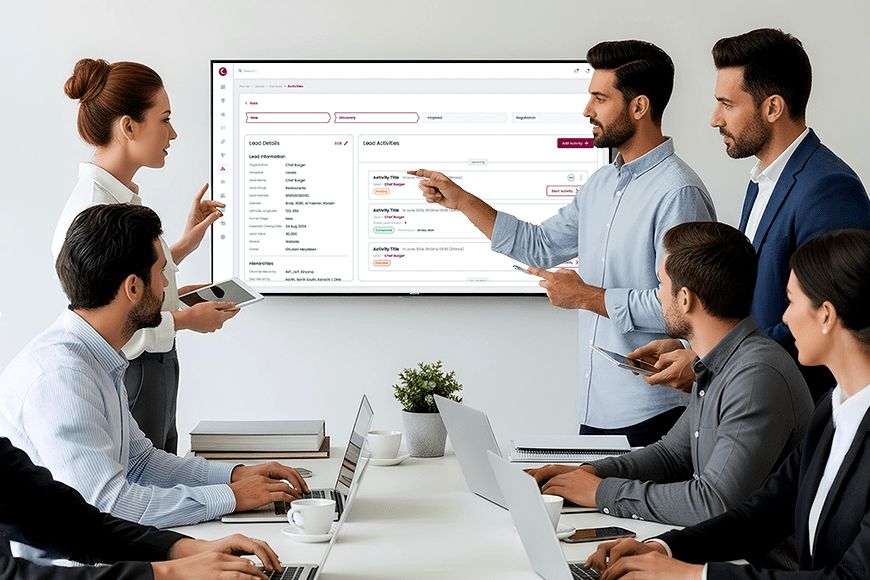
As the right fit, teams identify issues quickly, address inefficiencies, and optimize budgets and resources. A great partner offers a fresh perspective on dated campaigns and is not mired in office politics. They help tie marketing to sales, demonstrating what does, doesn’t, and why.
Key criteria to look for in an outsourced CMO partner:
- Proven track record with relevant case studies
- Deep industry knowledge and strategic thinking
- Experience building and leading diverse marketing teams
- The know how to establish and deploy clear metrics and dashboards.
- Flexible contract terms that match changing business needs
- Strong communication and collaboration skills
- Clear plan for integrating with current resources and agencies
- Commitment to transparency and accountability
Vetting Leadership
A good outsourced CMO delivers a combination of leadership, experience and knowledge of your industry. Consider years in the business and previous positions and how they managed comparable business sizes or markets.
Interview candidates on their model for team supervision and resources. Demand references or seek public case studies. These assist in confirming if they provide what they assure.
Cultural fit is vital. Leadership needs to jive with your team’s work style and ethos. A wrong fit means you’ll leave projects bogged down and friction-filled.
Chat with some former clients and inquire about their style of communication, conflict resolution, and willingness to accept feedback. A comprehensive check results in fewer shocks and stronger collaboration. When leadership checks in, partnerships run smoother and results get better.
Assessing Capabilities
Capabilities count as much as credentials. A fine outsourced CMO plans for the future and understands execution. Search for talent with campaign planning and hands-on execution.
See if they can establish leads, revenue, and ROI tracking. Data skills are a must; they should understand dashboards and how to translate numbers into action.
Spearhead their knowledge of new marketing trends. Inquire how they employ technology such as automation, analytics, or social media tools.
Find out if they’ve managed volatility before, channel or budget shifts. The right partners demonstrate they can pivot quickly and still keep teams focused on outcomes.
Defining Scope
Scope definition is more than a to-do list. It means articulating what success looks like, what is delivered, and when. This means defining explicit objectives, whether it’s pipeline expansion, share of market, or campaign KPIs.
Define what the CMO and team will control and what remains in-house. Put timelines and check-ins along the way to keep things on track.
A defined scope establishes expectations on both sides and makes issues easier to detect early. It keeps us all accountable and on point.
Teams understand who does what, which metrics are important and when to pivot if something isn’t working. Solid, transparent scopes lead to better marketing results and better partnerships.
Measuring Impact
Measuring the impact of an outsourced CMO with a delivery team is about more than just monitoring metrics. It demands a transparent, continuous mechanism that collects business outcomes, group output, and client reaction. A combination of hard data and real-world insight helps us paint a complete picture of what is working and what needs to evolve.
Key metrics to consider include:
- Revenue growth and pipeline size
- Quality and number of leads generated
- Customer acquisition cost trends
- Sales cycle length
- Website traffic growth
- Conversion rate changes
- Social media engagement and reach
- Campaign ROI
- Customer lifetime value
- Win rate
Key Performance Indicators
KPIs establish the standard for monitoring marketing success. For a lot of teams, that’s things like pipeline growth, win rate, and the average customer value over time. Lead generation is a big one, with both quality and quantity being important.
Good KPIs measure things like visits, bounce rate, and lead or buyer conversion on your site. It’s not simply quantitative. Examining each KPI assists teams in understanding how customers respond to campaigns. For instance, a spike in social media engagement or a reduction in sales cycle time can indicate which messages resonate most.
Frequent KPI look-backs, monthly for example, catch changes quickly and allow you to adjust before problems get too large. The key is aligning your KPIs with your business goals, so each metric reflects what’s most important for your growth. Quarterly reviews provide a broader perspective, connecting your monthly trends to the larger context.
Return on Investment
ROI is about comparing what you invest with what you gain. The formula is simple: Revenue from marketing minus Cost of marketing divided by Cost of marketing, usually shown as a percentage. This informs you whether campaigns are worth it.
Why it matters: ROI lets teams see which channels or tactics deliver the best returns and where to pull back. ROI is often used to justify more budget or re-allocate spend. For instance, if one channel attracts more leads at a cheaper price, it’s logical to put more money in there.
Continuous feedback is essential. As markets shift, results shift as well, so measuring ROI over time keeps teams agile and able to adapt to new trends.
Qualitative Feedback
Numbers relay half the tale, feedback completes it. Customer surveys, interviews, and reviews demonstrate what people really think. Stakeholder input, such as sales or support teams, provides additional context. These insights help teams understand not just what occurred, but why.
Qualitative feedback is usually collected following major campaigns or product launches. It can indicate whether a new message resonates or a website redesign simplifies. This kind of feedback combines best with numbers, offering a rounded perspective on both outcomes and experience.
Beyond The Service
Outsourced CMO services provide more than just outsourced labor. They provide a combination of leadership, velocity, and strategic perspective that is difficult to replicate in-house. By coupling a CMO with a delivery team, organizations get instant access to a validated process and a collection of experts, all collaborating to accelerate growth and act swiftly in dynamic markets.
A Growth Catalyst
A growth catalyst is no flash in the pan. Here, in outsourced CMO services, it applies outside leadership to identify novel growth opportunities and then drives those opportunities to implementation. Unlike bringing on a single marketer, an outsourced CMO brings a team with deep experience across industries.
It typically gets to work in weeks, not months, and starts to produce impact right away. This can be crucial for businesses experiencing sluggish momentum or a sales plateau. Strategic marketing leadership can unlock new revenue sources by leveraging market data, new trends, and battle-tested insights from other projects.
For instance, an outsourced CMO might identify an overlooked market segment or suggest a new digital channel, attracting customers that the business hadn’t accessed previously. This creates a system where growth is work. Creating a culture of innovation is the key.
Outsourced teams catalyze change because they have ideas and best practices from a variety of clients. They break old habits. This mentality drives scalable growth as squads continue experimenting, discovering, and innovating in how they serve customers.
The Future of Marketing
Marketing is evolving quickly. Your outsourced CMOs stay on top of trends like AI-driven analytics, video content, and data privacy shifts. By keeping abreast of these changes, they assist businesses in getting ahead of their competitors.
With this insight at their fingertips, companies no longer have to wait months to pivot. Adapting to emerging tech and shifting consumer habits is key to remaining relevant. For instance, when social media platforms modify their algorithms, outsourced squads are able to rapidly experiment with new strategies and maintain high levels of engagement.
This saves time and reduces the risk of wasted spend. Continuous learning is not a choice. Outsourced leaders ensure teams revisit metrics and adjust every quarter, creating a habit of progress.
Pricing structures are fluid. Monthly retainers, project fees, or even performance-based arrangements simplify the process of aligning services with business requirements. For small to mid-sized companies, monthly retainers of $2,000 to $10,000 are pretty typical and they certainly beat the $150,000 to $300,000 that a senior executive would cost annually.
Research indicates this can reduce costs by more than 60 percent versus in-house hiring.
Conclusion
Outsourced CMOs with a killer delivery team inject clear skill, speed and true focus into brands who want to grow. Our dual-engine model provides every project with additional hands and sharp eyes, resulting in fewer gaps and more wins. This arrangement suits a lot of requirements, launching a new brand, repairing a bad plan or simply staying current. Brands can experience fast validation with straightforward measurement and obvious objectives. Selecting the right team is not just about capability; trust and compatibility are equally important. For brands prepared to pop or solve stale issues, it’s worth your while to examine this model. For actual impact, ask what a new team might do for your brand’s next ascension.
Frequently Asked Questions
What is an outsourced CMO with a delivery team?
That’s an outsourced CMO with a delivery team, basically a marketing expert who not only drives strategy but has an on-team crew to implement the hard work, a full-service solution for companies.
How does the dual-engine model benefit organizations?
The dual-engine model provides strategic leadership from the outsourced CMO integrated with hands-on support from the delivery team, delivering high-level planning with effective execution for accelerated measurable impact.
What challenges can arise with an outsourced CMO model?
Issues, communication issues, cultural issues, internal alignment. Selecting a partner that is process-oriented and communicative can mitigate issues like these.
How do you choose the right outsourced CMO partnership?
Seek proven experience, industry knowledge, transparent communication, and a clear delivery process. Check out their case studies and client feedback.
How is the impact of an outsourced CMO measured?
Impact is based on measuring KPIs such as lead generation, conversion, brand awareness, or ROI. Routine reporting provides accountability.
What makes this model cost-effective?
It bypasses hiring and training an in-house team. You get experienced leaders and delivery teams, often at a lower cost than hiring an internal department.
Can an outsourced CMO adapt to different industries?
Yes, trusted outsourced CMOs have backgrounds and they can rapidly map a strategy to a different industry and different business objectives.