
Key Takeaways
- Closing the gap between strategy and execution in marketing is critical to enhancing your marketing ROI and business growth.
- A fractional CMO can help you close execution gaps and get better results through expertise.
- Connecting marketing plans with business objectives and cross-functional collaboration.
- Using data integration, analytics, and smart marketing technology to support decision making and execution.
- Creating an environment of accountability, learning, and mentorship among marketing teams reinforces execution.
- Frequent measurement and reporting of marketing impact not only drive strategy calibration but prove value to stakeholders.
CMO Plus marketing execution means a service where experts handle end-to-end marketing tasks for brands, from planning to results tracking. Brands can engage CMO Plus for strategy, creative, and digital campaigns whether short-term or long-term.
It works for startups and big companies who want help with branding, lead generation, or content. To demonstrate how CMO Plus suits lots of ambitions, this post outlines main applications and advice.
The Execution Gap
The execution gap means there’s a genuine disconnect between what a business intends and what actually occurs. Most companies have brilliant marketing strategies but run into walls when they attempt to transform those strategies into day-to-day work. Research finds 54% of leaders admit they underestimated the difficulty of transforming strategy into results. This isn’t merely about aspiring too high and falling short.
It’s about the daily execution hurdles, such as bad collaboration, ambiguous responsibilities, or inefficient technology. In most businesses, a mere 19% can boast that their teams collaborate in a seamless, end-to-end fashion. Without rock-solid teamwork, even the best ideas stall out.
If a company wants to see real gains, bridging the gap is key. If leaders can’t connect strategy to execution, time, money and talent are in danger of being wasted. A major contributor is the absence of rules and explicit procedures, particularly with new tools such as AI. Just 22% of organizations have established explicit guidelines for using AI in decision-making.
This complicates keeping work on track and out of trouble. Another problem is tech that’s too complicated or isn’t compatible with how teams work. Just 24% of leaders say their tech supports consistent teamwork. When teams employ too many tools that don’t communicate, work bogs down and mistakes seep in. Correcting this is not rapid. Most leaders anticipate it might require one and a half to three years to notice the effect of minor adjustments.
A fractional CMO can close the execution gap. This role provides a senior-level perspective and practical assistance at less than a full-time expense. By working across teams, a fractional CMO can identify where things break down and establish straightforward, transparent processes to maintain workflow.
For instance, they could assist in selecting technology that suits the team’s requirements or establish guidelines for how AI is used in marketing. They don’t simply offer counsel; they assist teams in collaborating, spreading what’s effective, and eliminating waste. This comes in handy when companies must pivot quickly, as 62% of leaders report there’s friction between what’s intended and what’s accomplished.
Bad execution impacts the bottom line and growth. If teams can’t collaborate or use tech effectively, marketing ROI falls. Errors are expensive. Journals forget. Just 68% of leaders agree that simplifying tech can help teams work faster and better, leaving most plenty of space to step up.
This execution gap isn’t just theory; it’s real danger for businesses that want to scale and maximize their marketing.
Enhancing Execution
Good marketing execution is not about firing campaigns. It’s about business discipline, making the most of resources, and pivoting. That’s the magic recipe, the right blend of preparing, collaborating, and data-based decisions that impact worldwide markets.
Best Practices for Enhancing Marketing Execution:
- Match marketing goals with company strategy.
- Set up systems for real-time feedback.
- Build strong teamwork across roles and borders.
- Use data to guide decisions.
- Invest in skills and mentorship.
1. Strategic Alignment
Marketing is most effective when it’s aligned with the company’s larger objectives. By keeping your marketing leaders in regular communication with other departments, you keep everyone moving toward the same goals. When teams are aligned on a common vision, they can execute more quickly and with less resistance.
Update your plans frequently to keep up with market changes. For instance, a tech company might tweak its campaigns every quarter to respond to changes in user needs or new competition.
2. Resource Optimization
Maximum leverage means monitoring time and budget. Teams should study where money goes to identify savings without slicing quality. Several global brands deploy project management tools to identify duplication and conserve labor.
Cross-pollinating tools and skills between groups can prevent silos. Opt for easy automation, such as scheduled emails or social media posts, to carve out creative time.
3. Agile Adaptation
Markets move quickly. With agile marketing, teams can experiment with new concepts and adjust campaigns as results arrive. Little pilots can show what works prior to increasing it.
For instance, a retail brand could test ads in one country and then extend them worldwide if they perform well. Teams who practice trend spotting or feedback response can change directions rapidly. Short review cycles keep campaigns fresh and flexible.
4. Data Integration
Consolidating data from sales, support, and marketing provides a complete picture of what’s effective. Analytics can track clicks, sales, and customer habits. With one dashboard, everyone’s looking at the same numbers, so conversations and decisions go more smoothly.
Teams that leverage facts, not guesses, can shift money or effort to the best spots. For instance, viewing what channels spur sales in specific locations allows for improved targeting.
5. Team Mentorship
Learning belongs to the work culture. Senior marketers swapping tips with junior staff keeps skills sharp and saves time. Workshops and training on new tools or trends ensure that everyone stays current.
Some companies host monthly skill shares or bring in external experts. A team that learns together adapts quicker and sidesteps past errors.
The Execution Mindset
The execution mindset for marketers is about getting stuff done in the real world, not in planning systems. It defines how leaders and teams go from bold vision to achievement. It begins with a ruthless obsession with execution and keeping the customer front and center in every decision.
Teams that work with this mindset smash silos, so communication is transparent and everyone understands their role. This propels the entire team forward in a single direction, which is essential if you’re going to hit collective goals.
An execution mind team must raise the bar on work process. That is, examining what’s being done, how quickly, and what can be altered to obtain superior results. It means pushing for tangible, quantifiable results instead of just busyness.
For instance, a marketing team might follow leads or sales growth in euro or yen, not simply web visits. When they set the goals and measure the results, teams can see what works, drop what doesn’t, and invest more time in what brings value.
Accountability is a huge part of the execution mindset. Every member of the team knows what they’re accountable for and feels that their work makes a difference. This isn’t about blame. It’s about understanding who takes certain actions, when, and for what reasons.
For instance, if someone owns email campaigns, they own the outcome, whether it is positive or negative. This keeps all of us on our toes and prevents things from falling through the cracks.
A results-driven culture appreciates candor in both your words and your deeds. Teams with this culture never fake it. They care about the customer and it shows in their words and actions.
Because of the service-driven messaging, the team is constantly focusing on what the customers need and how to fulfill those needs in reality.
Execution mindset leaders teach the team how to marry inspiration with the numbers. They leverage data to support why they invest in a campaign.
For instance, they might use data to demonstrate why it is logical to invest in new tools digitally or to halt spending on legacy ones. Long-term plans are made carefully and budgets are allocated to obvious growth trajectories, not just into the next quarter but years forward.
All kinds of people with all kinds of backgrounds thrive in this type of team. This combination of perspectives and expertise injects fresh ideas and keeps the team agile.
When new tech or market shifts arise, these teams are able to pivot quickly and continue driving toward their goal. They translate smart thinking into smart doing, proving the best marketing teams do not just talk change—they execute it.
Leveraging Technology
Marketing execution is driven by technology savvy. Using intelligent technology can help teams move quickly, stay ahead of the curve, and reach people in seemingly authentic and personal ways. For a lot of companies these days, the right tech stack is a need to have, not a nice to have.
Advanced marketing technologies, for example, can enhance how teams work. Automation tools automate simple, repetitive tasks such as emailing, lead updates, or social media posts. This time-saving allows teams to focus on big-picture work and reduces the likelihood of errors.
AI powered systems scan customer data and assist in selecting the best time to contact or message. This can boost open rates and conversions. With instantaneous insights, businesses can identify what’s succeeding and what’s failing at any hour. Agentic AI, for example, turns this into a round-the-clock task, allowing companies to respond quickly and pivot campaigns as trends evolve.
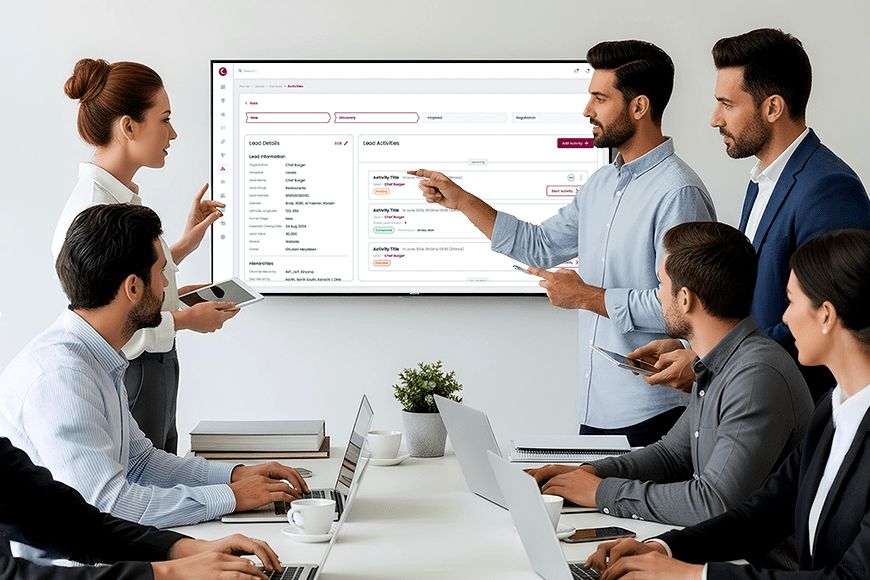
Simplifying marketing work with automations is another important step. These tools accelerate work and maintain consistency. For instance, an automated workflow can nudge leads from ads to emails to sales calls without skipping a beat.
Automation implies campaigns can be tested, tweaked, and rolled out across multiple channels simultaneously. With 68% of folks commenting that making tech simpler benefits the business, ease of use clearly counts. Yet, just 24% indicate their tech enables teams to collaborate effectively, signifying there’s ample opportunity for progress.
Picking your platforms wisely can make customer engagement and tracking slicker. New tools aggregate data from web, email, social, and sales, providing a 360-degree view of every customer. This helps teams identify trends, user needs, and provide them with a personalized experience.
AI and automation go one step further, customizing content, modifying offers, and even selecting which products to present to each user. Teams can have these systems scan what competitors are doing, drawing insights from multiple sources in seconds.
Staying on top of new tech trends is now an essential element of effective marketing execution. Partnerships with tech providers, for example, assist businesses in accessing new markets and tools.
Actually, 73% of businesses are now leveraging ecosystem partnerships to gain greater reach. To really get the most from tech, leadership needs to align around goals, teams need training, and systems should be constructed for growth.
Measuring Impact
Tracking CMO and marketing execution is a bit like trying to measure impact. They can be hard to identify, and it can be months or years before true growth manifests. Still, knowing how to measure impact provides the team with a clear way to monitor what is and isn’t working. So, measuring impact is simply effective ways to do it.
From the outset, define some crisp goals. These should tie back to business results, such as revenue growth, brand awareness, or customer engagement. For instance, tracking organic website traffic or social media engagement provides a tangible sense of how campaigns are performing.
It’s clever to use metrics that are easily digestible and shareable, such as a 15% increase in brand awareness, a 40% increase in organic traffic, or an 8% increase in share of voice within a year. By establishing minimum standards for each, you ensure things stay balanced. One area does not receive more attention than the others.
Take regular performance reviews. Checking in every quarter is a good way to stay on track. These reviews examine how each marketing action aligns with goals. If a campaign is missing, it is easier to make adjustments early.
Routine reviews assist budget planning as well. When teams visualize what requires additional support, they are able to shift resources to where they can have the most impact. For instance, if organic traffic is up but brand awareness is flat, reallocating some budget to branding might help level things out.
Utilize customer research and metrics. Numbers report one side of the narrative, and genuine customer response completes the picture. Surveys, online reviews, and feedback forms all provide indications of what people enjoy or hate.
Analytics platforms can follow users’ behavior, clicks, and time on site. Both kinds of input assist teams in identifying patterns and optimizing their strategy. It’s critical to keep in mind the 95-5 rule, which is that only about 5% of people are ready to buy at any given time.
This also means that not every move will generate a fast sale, so patience is required. Announcing results to stakeholders is important to share updates so that everyone is aware of what’s effective.
Easy, straightforward impact reports that demonstrate the impact of changes over time foster trust and support. Explaining why certain results require more time, like planting an oak tree and waiting for acorns, establishes reasonable expectations.
This keeps everyone on board, even when strides towards progress are small.
Beyond Agencies
Most companies today seek more than what a marketing agency can provide. They want leaders who define the strategy and ensure every piece of marketing connects back to business objectives. This type of leadership is even more needed as B2B marketing becomes more complex. There are more channels, more tools, and more data to track. Buyers use an average of seven channels, with some using over ten.
This is why a plain old campaign just won’t cut it. It requires human oversight to keep things on track and ensure results are relevant.
Below is a table that shows the main differences between traditional marketing agencies and fractional CMO services:
| Feature | Traditional Agency | Fractional CMO |
|---|---|---|
| Focus | Campaign execution | Strategy + leadership |
| Role | Vendor | Executive partner |
| Customization | Standard packages | Tailored strategies |
| Engagement | Project-based | Ongoing, strategic |
| Leadership | Limited | Direct, hands-on |
| Performance Metrics | Vanity metrics | Pipeline, revenue impact |
| Internal Collaboration | Less direct | Deep integration |
A fractional CMO sees the big picture and constructs marketing strategies that align with the company’s specific requirements. Rather than a cookie-cutter bundle, they hear, they collect information, and they fashion a strategy that fits objectives, budget, and market.
For instance, if a company wants to scale in a new geographical area, a fractional CMO could propose local campaigns, new tech, and team training, all in one strategy. They don’t simply run ads; they carve a roadmap and collaborate with teams to drive outcomes. Still, they might not manage every minor chore, but they’ll direct the appropriate individuals to.
A fractional CMO provides long-term benefits. Companies receive leadership that transcends the pursuit of likes or shares. Instead, they emphasize metrics that matter, such as pipeline expansion and lead velocity.
This method aligns marketing with what senior leadership cares about—actual business impact, not merely dashboard metrics. As the fractional leader market has exploded over the last five years, businesses recognize the benefit of this adaptable, top-skill model. It’s a lot more than cost savings. It’s about hiring someone who can view the entire landscape and assist in crafting the market, not merely respond to it.
Excellent outcomes arise when there’s trust and transparent discussion between the business and the fractional CMO. We use regular check-ins, clear goals, and honest feedback to keep both sides on track.
This style of working in close proximity enables the CMO to identify gaps and address minor problems before they expand. For example, if a campaign is not hitting targets, they can shift the plan quickly, using their wide perspective to identify what is effective.
This direct involvement can frequently cultivate greater collaboration and more impactful outcomes than a detached agency approach.
Conclusion
Defined objectives and fast action characterize powerful marketing efforts. A CMO needs to identify chasms, make pointed plans, and move fast. Great teams take plans and make them real and have the right tools to follow real change. Tech aids work flow and present transparent data for improved decisions. Powerful brands employ straightforward processes and it is easy to verify that they are earning confidence and expanding their audience. True ROI is generated by teams who understand the mission and leverage clever tools, not massive budgets or outdated workflows. For teams craving more impact, track your steps, track your tools, and track what works. Experiment, listen to the data, and simplify for a true advantage.
Frequently Asked Questions
What is the execution gap in marketing?
Execution gap between a marketing plan and execution. It occurs when plans don’t get realized when you fall short of your goals or your impact.
How can CMOs enhance marketing execution?
CMOs can improve execution by aligning teams, defining goals, and leveraging live data. They need to make sure everyone knows their place in it.
Why is an execution mindset important for marketing teams?
An execution mindset helps teams focus on outcomes. It fosters accountability, rapid execution, and iterative improvement, resulting in smarter marketing results.
How does technology improve marketing execution?
Technology makes your tasks simpler, your processes automated, and your insights data-driven. This enables quicker decisions and smarter campaigns.
What metrics should be used to measure marketing impact?
Metrics like ROI, conversions, customer engagement, and sales growth. Monitoring these metrics aids in evaluating the success of marketing efforts.
Should companies rely solely on agencies for execution?
Depending solely on agencies can restrict flexibility and autonomy. A middle ground with in-house teams and agencies offers agility, more effective communication and tighter brand consistency.
What are the benefits of closing the execution gap?
Closing this execution gap results in greater efficiency, more robust results, and more effective resource utilization. It makes marketing strategies generate the expected business results.