

Key Takeaways
- Performance-based fractional CMO provides experienced marketing leadership on a flexible, part-time basis and without the overhead, making it a cost-effective solution for businesses of any size.
- Fractional CMOs prioritize ensuring marketing strategies are tightly aligned with business goals. They frequently employ data analysis and market research to deliver quantifiable outcomes.
- Unlike standard, full-time CMOs, fractional CMOs provide flexibility, varied expertise, and lower investment, enabling companies to scale resources when necessary.
- Pricing models like hybrid retainers, equity stakes, and revenue share agreements align incentives and cultivate partnership between the business and the CMO.
- Success is gauged with defined KPIs, reporting, and performance reviews.
- Selecting the ideal fractional CMO requires evaluating their industry experience, demonstrated success, and compatibility with your company culture to guarantee seamless integration and impactful marketing leadership.
They’re kind of like a performance based fractional CMO — a part-time marketing leader who serves a company and is compensated based on outcomes or milestones.
A lot of firms do this to save money and increase marketing growth without bringing on a full-time CMO.
The following illustrates how this position functions, as well as what to anticipate when bringing one on board.
The Model Explained
A performance-based fractional CMO model provides businesses the opportunity to engage with senior marketing leaders who provide strategic leadership and direct support for the hours or scope required. This arrangement is common for companies looking to grow quickly, budget carefully, or require executive-level guidance without employing a full-time staff member.
Fractional CMOs typically work ten to twenty hours a week, often on rolling contracts or project terms, and emphasize specific growth results. The model applies to virtually every industry and company size, from global tech startups to established e-commerce powerhouses.
Role Scope
- Set and drive the overall marketing strategy
- Lead and mentor marketing teams
- Manage budgets and allocate resources
- Collaborate with sales and product departments
- Oversee data-driven campaigns
- Report progress to leadership and key stakeholders
- Build and maintain vendor and partner relationships
- Guide brand messaging and position
Effective leadership is essential. Fractional CMOs establish objectives, energize teams, and guide them through close market demand pivots. Great leaders assist teams in honing their attention, remaining enthused, and achieving goals with just a few hours to spare every week.
They have to handle relationships with stakeholders such as founders, board members, and external partners. This builds trust, aligns priorities, and prevents missteps caused by inadequate communication.
Fractional CMOs create comprehensive marketing plans including digital, offline, and account-based campaigns. They concentrate on fast wins, thinking about pipeline expansion within 90 days, and brand wins for the long haul.
Strategic Focus
Fractional CMOs focus on the areas that move the needle most: campaign optimization, brand positioning, sales-marketing alignment, and key account targeting. They’re the ones who fast identify gaps or emerging trends like a change in what buyers need or an opportunity to enter new geographies.
Their strategies invariably lead back to business objectives, such as more leads, lower acquisition costs, or revenue growth at an accelerated rate. For instance, a B2B company might require an account-based marketing pivot to acquire superior leads in 30 days.
Market research is at the core of their efforts. Through research of buyers, trends and the competitive set, they form strategies that work for real-world priorities, not just best guesses.
Data leads every step. Fractional CMOs use analytics to verify what’s working and what’s not. They adjust budgets and move resources, so companies experience quicker ROI, sometimes within three months.
Key Differences
Conventional CMOs are full-time, long-term contracts and bigger commitments. Fractional CMOs are scalable and frequently work 10 to 20 hours per week or on three-month engagements. This allows businesses to ramp up or down as required.
Price is a huge issue. Hiring a full-time CMO costs between $300,000 and $650,000 per year. Fractional CMOs cost far less, usually between $5,000 and $15,000 per month, frequently saving 40 to 65 percent. Budget-minded organizations receive professional assistance without going broke!
Skill sets count as well. Fractional CMOs frequently bring broader backgrounds, think B2B tech, ABM, and global brand launches, because they’ve worked for so many clients. This translates to quicker acceleration and fewer onboarding hours.
Today’s value is a huge pull. You don’t have to do months of hiring and training. Businesses experience pipeline growth and improved lead quality within their first month or two.
Core Benefits
Engaging a performance-based fractional CMO offers practical advantages for businesses aiming to drive growth while managing resources. These experts provide strategic leadership, expert coaching, and quantifiable impact, all without the overhead of a full-time executive.
1. Cost Efficiency
A fractional CMO offers huge cost savings relative to a full-time CMO. Companies save on things such as annual salaries, bonuses, and benefits. Instead, they pay solely for services required, often at 30 to 50 percent of a full-time CMO’s salary.
The majority of fractional CMO contracts utilize a monthly retainer, usually anywhere from $3,000 to $20,000, depending on the scope of the project and the CMO’s experience. This model allows companies to tap into senior-level marketing expertise without the overhead of a full-time hire.
Startups and mid-sized firms can now access CEO-level strategic counsel even when their budgets are modest. The flat rate makes it easier to plan, and businesses can measure ROI more simply as tactics start working. For instance, a retail brand could hire a fractional CMO to guide a new product launch, then gauge sales growth against pre-established KPIs.
2. Aligned Incentives
Performance-based compensation means the fractional CMO’s goals align with the company’s. Both parties are results-oriented, not activity-oriented. If bonuses are tethered to lead generation or revenue targets, the CMO will work harder to provide what counts.
That creates accountability and promotes transparency and tight collaboration. Marketing goals and revenue targets are set in concert, so everyone is on the same page about expectations. If a B2B tech firm wants to double its pipeline in 6 months, both the company and CMO are vested in that outcome.
This common stake frequently results in more inventive solution-finding and more powerful outcomes.
3. Objective Perspective
Fractional CMOs are outsiders, so they perceive things without the prejudice that stems from in-house personnel. They can identify issues or blind spots that teams too close to the work might overlook. They frequently cross industry lines and bring new thinking from other areas.
They’re not mired in office politics or legacy processes, so they can be forthright about what must change. A fractional CMO could recommend a new martech platform or a change in messaging that internal teams hadn’t thought of.
This outside view can ignite real change that enhances marketing performance.
4. Rapid Impact
Fractional CMOs are accustomed to stepping in quickly. They evaluate where you are, establish KPIs, and begin implementing immediately. Their martech, automation, and AI tool experience enables them to optimize workflows and accelerate outcomes.
If there is a sudden shift in the market, your fractional CMO can pivot tactics fast. Say there was a product recall. A fractional CMO would pivot messaging, realign ad spend, and update crisis communication within days.
Usual involvement spans a minimum of six months, providing ample opportunity for approaches to deliver quantifiable results.
5. Flexible Scalability
Fractional CMO’s services scale up or down. Businesses can ramp support up or down to align with growth stages or project deadlines. Such flexibility is crucial for businesses with unpredictable budgets or evolving priorities.
Other companies employ a fractional CMO for a single brand refresh. Some leave them on for continued mentorship and leadership. Defined hours, response time, and emergency needs set expectations upfront to make resource management easy and low risk.
Compensation Structures
Performance-based fractional CMO compensation combines retainer fees, performance incentives, and optionally equity or revenue share. Our optimal combination draws in top leaders while being more cost-efficient than employing a full-time CMO. Most companies pay 60 to 70 percent less for a fractional CMO, but still receive strategic guidance equivalent to senior-level executives.
Below is a table showing common structures:
| Model | Structure Details | Typical Range |
|---|---|---|
| Hybrid Retainer | Fixed monthly fee + performance bonus | $5,000–$25,000/mo + bonus |
| Equity Stake | Shares or options (0.5–2% for startups) | Equity worth |
| 0.5–2% | ||
| Revenue share | % of new revenue or profit you generate | typically 5 to 20 percent of incremental revenue |
| Full-Time CMO | Base plus bonus plus equity plus benefits | $358,000 to $600,000 per year total |
Hybrid Retainer
Hybrid Retainer Model: This model mixes a consistent monthly payment with additional bonuses for certain outcomes. The retainer captures the core responsibilities, making the CMO’s time and attention valuable. The bonus is performance-based and rewards actual business results, such as achieving critical growth milestones.
There’s both predictability and motivation built into this setup. For companies, a hybrid retainer is simpler to budget. The base monthly fee is transparent, and bonuses pay only if negotiated targets are achieved. This control allows smaller and midsize firms to obtain executive insight without long-term exposure.
Startups and growth-stage businesses tend to use this model since it strikes a balance between their need for expert guidance and desire to keep costs in check. For example, one real world tech firm pays a €10,000 retainer every month with a €5,000 bonus for each 10% increase in qualified leads. This resulted in both consistent leadership and aggressive output.
In another example, a retail brand employed a hybrid model to handle seasonal campaigns, with bonuses connected to quarterly revenue increases.
Equity Stakes
Equity stakes involve granting your fractional CMO a piece of company ownership, typically ranging from 0.5% to 2% for startups. This draws elite talent because it provides a genuine ownership interest in future growth, not just a salary.
By sharing equity, the business and CMO aim for the same objective of increasing company value. This can help keep the CMO’s attention on enduring results, not just immediate successes. The primary danger is dilution for existing shareholders, and the payoff for the CMO will be contingent on a company’s future exit event or success.
Equity can lock in commitment. A CMO with equity has incentive to stay and drive results, particularly when it takes a while for a company to grow.
Revenue Share
A revenue share agreement awards the fractional CMO a fixed percentage of new revenue or profit they assist in producing. The share is frequently between 5 percent and 20 percent, depending on scale and sector.
We believe this approach, which links compensation to transparent performance, fosters mutual trust and keeps both parties focused on impact. Since bonuses are a function of actual gains, it is less risky for the business.
When a SaaS company employed a revenue share, both sides hustled more on retention and recurring revenue was up 30%. Another example is a consumer brand that compensated a CMO 10% of incremental sales over a baseline which fueled imaginative campaigns and greater engagement.
Measuring Success
Evaluating the impact of a performance based fractional CMO starts with clear, relevant metrics. As privacy rules and cookie restrictions grow, many firms need new ways to track progress. Success is not just about campaign wins, but about building systems for sharper messaging, smarter tracking, and quicker decision-making. Teams see these gains fast, often within weeks, when guided by a focused CMO.
For global businesses, adapting measurement to industry standards and local norms is key. The table below shows core indicators used to measure CMO performance:
| KPI | What It Shows | Example Target |
|---|---|---|
| Website Traffic Quality | Relevant visitors, not just volume | 60%+ from organic search |
| Lead Volume | Number of new leads generated | 300/month |
| Conversion Rate | % of users taking desired action | 4%+ conversion |
| Sales Cycle Velocity | Time from lead to sale | <30 days |
| CAC (USD/EUR) | Customer acquisition cost | $50 (media), $377 (electronics) |
| CLV:CAC Ratio | Customer value vs. cost | 3:1 or better |
Defining KPIs
Picking the appropriate KPIs to measure your marketing results is crucial. These metrics need to align with business objectives and marketing scale. For instance, a tech company might prioritize lead quality, while a retailer measures conversion rates and sales velocity.
Establishing measurable goals provides everyone a vision of success. With third-party cookies on their way out, savvy teams leverage clean first-party data and sophisticated dashboards for quick and accurate measurement.
For example, a healthcare provider might leverage traffic quality and conversion rates to identify bottlenecks, while an e-commerce brand tracks the cost to acquire each customer closely. Customized KPI frameworks allow CMOs to demonstrate forward momentum in terms that are important to the business, not just in abstract numbers.
Reporting Cadence
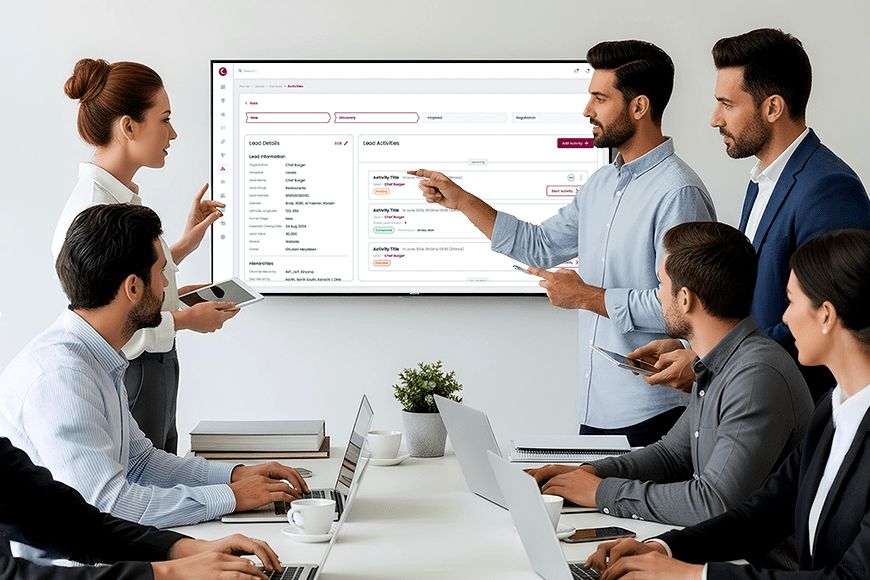
Regular, predictable reporting keeps the CMO, leadership, and broader team aligned. Weekly or monthly updates catch trends and allow you to act on them before they become issues. These check-ins build trust by demonstrating transparent results, even when numbers disappoint.
Regular reporting fosters room for candid discussions, which accelerates solutions and keeps projects on track. In rapidly changing industries, rapid reporting enables teams to change strategies if a campaign is falling flat.
Transparent reporting, often presented in dashboards, enables all stakeholders to understand what’s working and what requires adjustment. Such transparency is essential for intelligent, timely action.
Performance Reviews
Fractional CMO performance reviews combine data with qualitative input to identify what’s successful. These reviews occur quarterly, combining data with input from sales, product, and leadership. Honest feedback enables CMOs to fine-tune their strategy and focus resources where they’ll have the most impact.
Reviews force teams to reconsider what’s achievable, borrowing what worked and what didn’t from previous successes or flops to establish more intelligent objectives. They keep everyone focused on what’s important—achieving business objectives while consuming resources prudently.
Ideal Candidate Profile
A performance based fractional CMO is a senior marketing leader who joins forces with companies 5 to 20 hours per week and works on high-impact strategy. Our perfect candidate is the 15-20 year veteran with frequent prior full-time CMO roles at recognizable firms. This profile matters because the key to a successful fractional CMO relationship is finding a leader who can deliver results quickly and complement the business.
Key Characteristics of an Ideal Fractional CMO Candidate:
- Substantial marketing leadership experience, including ideally CMO stints at notable companies.
- Proven success in generating tangible marketing outcomes, including lead creation, site visits, and brand expansion.
- Strong knowledge of strategic planning, thought leadership, tiered service packaging, and nurture campaign execution.
- Excellent communication and people skills to collaborate with various teams.
- Freedom to focus on client priority goals and challenges.
- Capacity to operate under a flexible, typically part-time engagement structure.
- Familiarity with fast-paced and dynamic business environments.
- Solid references and a documented portfolio of prior success.
- Engagement fees typically range from $5,000 to $25,000 per month depending on company size and needs.
Industry Fit
Selecting a fractional CMO with industry experience matters. Someone who knows the market and its trends will know your audience and your major competition. They can identify fresh opportunities for growth more quickly and tailor marketing strategies that suit your organization.
For instance, a SaaS-experienced fractional CMO will understand how to construct effective lead funnels and customer journeys for software clients. The same is true for niches such as healthcare that have unique regulations and buyer journeys. In other words, a more optimal fit between strategy and outcome minimizes the hours lost to guesswork.
A great industry fit translates into faster onboarding. The candidate will already speak your market’s language, saving all of the time and effort.
Proven Track Record
Demonstrated success is required for any fractional CMO. Search for examples of previous work where they assisted businesses in achieving significant objectives, such as doubling web traffic or product launches. Request case studies or a portfolio that illustrates these successes.
References and testimonials can help verify if the candidate genuinely had an impact. It’s not sufficient to simply mention skills; clear evidence of outcomes is necessary to establish credibility. Screen whether their historical outcomes align with your business requirements.
If your priority is brand growth, hire someone who has grown it. Their experience should demonstrate a combination of strategic and hands-on leadership.
Cultural Alignment
Cultural alignment makes a fractional CMO mesh with your team. Common ideals and a shared vision can simplify collaboration. Great communication and a leadership style that aligns with your company are just as important as abilities.
When a fractional CMO assimilates with your culture, the team will probably be more inspired and receptive to change. The right CMO for your culture will gain trust more quickly.
They’ll know how your team operates and what drives them, which facilitates easier scheduling and more efficient implementation. This fit results in deeper buy-in for new marketing and more enduring impact.
The Integration Paradox
The integration paradox occurs when integrating a performance-based fractional CMO into a marketing team. It can appear easy to throw in a fresh part-time leader paid on outcome. It usually gets more complicated as teams attempt to shoehorn new systems and workflows into what they’ve already got. This frequently renders intractable the quest for authentic integration.
Teams can discover that more integration of tools, data and roles can actually decelerate them if these parts don’t align well with each other. For instance, a fractional CMO might employ different dashboards, analytics or reporting tools than the team is accustomed to. Without industry-standard protocols or means for these tools to communicate with one another, error can creep in and teammates can feel adrift or exasperated.
A big driver of the integration paradox is that there are few standard methods for systems and tools to integrate. If each individual or team utilizes their own tools or workflows, it becomes a puzzle to piece together. It’s true in other domains beyond marketing as well. In finance and healthcare, for instance, teams encounter the very same issues when systems don’t align.
This can lead to decreased output and increased time correcting errors. Even basic processes, such as distributing campaign results or monitoring leads, get sluggish and error-prone. Others say this issue may never completely disappear as intricate systems will always have gaps and redundancies. Still others argue that thinking in advance, identifying subcomponents, and employing tools that adhere to common standards makes a huge difference.
To sidestep these issues, crews can concentrate on distinct roles and powerful traces of speak. When everyone knows who owns what tasks, it’s simpler to steer clear of overlap. A part-time CMO has to align their objectives with the flow of the team’s daily efforts. Open communication, weekly updates, and shared objectives can help this go more fluidly.
Leveraging tools with transparent, uncomplicated interfaces—think shared project boards and cloud analytics—can reduce errors. These steps maximize the CMO’s expertise without getting the team bogged down. When the fit is right, the team gets better at what they do. They can move more quickly, experiment with new concepts, and utilize data more effectively.
Good integration can equal lower costs, happier customers, and a stronger market position. The trick is not to try to brute force it all into one, but to anticipate it, design for it, hack some basic tools, and leave communication open across the team.
Conclusion
To maximize value from a performance based fractional cmo, consider fit, track record, and transparent progress metrics. Firms across tech, retail, and services use this model to plug huge skill holes without long-term commitments. Results-based payments keep it equitable for everybody. Metrics such as sales lift, traffic, or cost per lead make wins easy to identify. This arrangement is very effective for companies that need emphasis and agility. For leaders who crave hard numbers without sustained risk, this route aligns with genuine demand. Want to see if it could work for your team? Peek at your goals, budget, and existing gaps. Connect with specialists to discover the perfect fit for your forward move.
Frequently Asked Questions
What is a performance-based fractional CMO?
A performance-based fractional CMO is a part-time marketing leader engaged by a company. Their pay is connected to business outcomes such as lead or revenue growth.
How does a performance-based compensation model work for fractional CMOs?
The fractional CMO in this setup is paid in a performance-based manner tied to those agreed goals. This could be target bonuses or even a blend of base and variable.
What are the main benefits of hiring a performance-based fractional CMO?
The main advantages are cost-effectiveness, agility, and results-driven. It’s a lower-risk solution since businesses only pay for realized results.
How can success be measured for a performance-based fractional CMO?
We use transparent metrics to define success. These could be KPIs such as website visitors, new customers, or sales growth. Metrics are pre-agreed.
Who is the ideal candidate for a performance-based fractional CMO role?
The perfect candidate boasts demonstrated marketing leadership, results, and the agility to jump between industries and company sizes.
How does a fractional CMO integrate with existing teams?
A performance based fractional cmo. They sync marketing to business and facilitate communication.
Are performance-based fractional CMOs suitable for all businesses?
Performance based fractional cmo
About They are best for small to mid-sized companies wanting marketing growth without the cost of a full-time executive. Larger organizations might opt for full-time positions for more ingrained involvement.