

Key Takeaways
- Integrated marketing integrates traditional and digital strategies to provide a unified, seamless customer experience and consistent brand messaging.
- Integrating marketing initiatives through channels improves brand visibility, recognition, and loyalty by ensuring a seamless customer journey.
- By integrating traditional and digital approaches, businesses are able to create a more cohesive and far-reaching campaign, enhancing engagement and driving campaign success.
- When traditional and digital channels are integrated and the resource allocation is optimized across campaigns, marketing ROI can be maximized and achieve higher conversion rates.
- The importance of a data-driven approach, from analytics to performance tracking, cannot be overstated when it comes to refining strategies and staying in line with overarching marketing goals.
- Working together across teams, having a unified message, and being able to pivot when market conditions change are all key to successfully integrating marketing efforts.
By combining the strengths of both approaches, you’ll be able to reach the broadest possible audience. Traditional marketing—think print ads, billboards, and TV spots—really establishes those local ties and that brand awareness.
Digital marketing—using tools such as social media, email, and search engine optimization—offers precision targeting, real-time feedback, and measurable results. Combined, these strategies allow for more effective customer engagement, cohesive communication, and increased visibility.
This strategy integrates offline and online initiatives, creating a cohesive, effective strategy that delivers the most ROI from marketing campaigns. By understanding and harmonizing their goals across platforms, businesses can create more cohesive, effective strategies that respond to shifts in consumer behavior.
The outcome is a more balanced, effective, and efficient approach to realizing sustainable growth.
What Is Integrated Marketing?
Integrated marketing is the smart, strategic, and unified way to do it. It brings together all different types of marketing efforts to provide a cohesive and seamless brand experience. Integrated marketing bridges the gap between traditional and digital marketing.
This strategy makes sure that each touch point a consumer has with the brand works in harmony with the rest. This joint alignment couldn’t be more important when it comes to truly delivering a seamless customer experience that hits on all cylinders.
Definition of Integrated Marketing
Integrated marketing is the strategic coordination of all marketing channels and tactics to achieve defined business goals. It breaks down silos between marketing disciplines like advertising, content creation and social media.
This tactic creates a centralized brand voice. A brand launching a new product can generate excitement with a national TV campaign. They can reach customers in real-time through personalized and dynamic social media campaigns.
That consistency creates a clear and concise customer journey, leading people seamlessly from first becoming aware of your brand all the way through to conversion. This kind of cohesion increases customer loyalty by fostering trust over time.
When customers are able to identify and trust a uniform message across channels, they are more likely to be loyal.
Why Integration Is Crucial Today
Today’s hyper-fragmented media landscape requires integration more than ever. Consumers experience an integrated omnichannel marketing on social media scroll, email check or TV binge and consumers want an integrated experience.
Integrated marketing breaks through the clutter of competing messages by providing cohesive and personalized content. For instance, implementing first-party data to customize offers keeps them pertinent and doesn’t invade customer privacy like using third-party data does.
This integrated, holistic approach isn’t just what today’s consumers expect, it provides the businesses implementing it a massive competitive advantage. Brands that thrive on integration not only get noticed, but they create deeper emotional bonds with their customers and inspire enduring loyalty.
Benefits of Combining Marketing Approaches
By blending traditional marketing strategies with a holistic digital marketing strategy, businesses can engage with their target audience more efficiently. This integrated marketing approach maximizes overall visibility and creates synergy with your messaging. Such a strategy improves brand recognition, increases audience reach, and saves time and money by maximizing available resources for improved results.
1. Enhancing Brand Consistency
Consistency across all platforms helps to deepen brand recognition and trust. Creating comprehensive brand guidelines that specify messaging, tone, and visual identity are key components of this work. From print materials to social media ads, make sure everything meets these standards and guidelines.
Continuously updating content to align with new goals and priorities helps campaigns stay fresh. Take Coca-Cola, for example, whose consistent branding across TV commercials and digital ads helps solidify their brand identity around the globe. Having the same message across both platforms will prevent mixed signals and create a clearer, more unified customer journey.
2. Reaching a Broader Audience
Combining traditional and digital channels helps businesses reach more varied demographics. Traditional approaches such as TV and radio are still powerful. In fact, one prediction puts the increase at 2.9% by February 2022.
At the same time, digital marketing is more affordable and scalable, which makes it perfect for smaller budgets. For example, a business that uses print advertising in conjunction with targeted digital campaigns can not only draw in new customers, but keep the loyal ones coming back.
3. Improving Customer Engagement
Integrated campaigns capitalize on intentional, targeted messaging that attracts and resonates with customers in a more meaningful way. Personalized emails, interactive content, and social media engagement help foster these relationships.
By leveraging feedback from these interactions, you can further refine your strategies to ensure your campaigns are relevant and impactful at every stage of the customer’s journey.
4. Increasing Marketing ROI
Businesses do tend to get a higher ROI when marketing dollars are spent strategically. While data analytics do an excellent job of measuring performance, they free brands up to double down on their high-converting efforts.
For example, one B2B company saw a 247% increase in organic traffic and 15 new leads in just one month after the two approaches were combined. Tracking the right KPIs allows you to constantly optimize for improvement and avoid wasting money.
5. Strengthening Customer Relationships
Integrated marketing nurtures loyalty through consistent communication across channels. Personalized outreach, whether it’s exclusive offers or tailored recommendations, builds trust and encourages engagement.
By engaging customers after their first purchase and creating a long-term relationship, the brand deepens its potential value.
Key Components of Integrated Marketing
An effective integrated marketing strategy bridges the gap between the traditional channels and the new digital channels to provide a much deeper, seamless, and connected experience for your audience. When these two approaches are used in tandem, businesses can improve visibility, engagement, and overall performance.
Read on to discover the key elements that fuel effective integration.
Role of SEO and PPC Integration
By integrating SEO with PPC you are guaranteed the most visibility possible in search engine results pages. SEO fuels sustainable organic growth by identifying the right keywords, producing impressive content, and focusing on user experience.
PPC provides immediate, targeted visibility with paid search or display campaigns. Paying attention to the same keyword strategy across both channels ensures you are engaging users at every step of their buyer journey. It’s the best way to maximize your reach and effectiveness.
Measuring performance metrics such as click-through rates (CTR) and conversion rates is crucial to refining strategies over time. These insights can help you spend budgets in more effective ways.
By implementing A/B testing, ad copy and landing pages can be optimized to achieve better results and higher ROI.
Leveraging Social Media Strategically
Social media enables that bridge, connecting the dots between traditional and digital efforts. With 79% of marketers acknowledging its success, social media sites such as Facebook and Instagram are crucial in attracting traffic and engagement.
Without a cohesive strategy, you risk confusing audiences with different branding across channels and undermining your message. Analytics tools can show what your audience wants to see, informing upcoming campaigns and maximizing impact potential.
Importance of Content Marketing
Content marketing helps bridge the gap between traditional and digital initiatives by utilizing a common thread of storytelling and well-produced assets. Content that engages and inspires audiences will establish trust, and lead to more conversions.
A content calendar ensures timely messaging, aligning with key campaigns for better audience connection.
Relevance of Email Marketing
Email marketing helps you nurture leads from every channel. Segmentation allows for more targeted messaging, which is ever more important for engagement.
Automation tools streamline efforts, ensuring consistency while saving time.
Balancing Traditional and Digital Channels
- Evaluate audience preferences for each channel.
- Allocate budgets based on performance and reach.
- Continuously adjust strategies to improve outcomes.
Aligning Goals for Impact
Aligning goals across platforms ensures cohesive execution, and maintaining a consistent message across them helps strengthen brand identity.
Data-driven strategies and integrating online with offline campaigns create the biggest impact and often, the most efficient.
Effective Strategies for Integration
Successful integration of traditional and digital marketing requires a holistic marketing strategy that involves strategic, coordinated efforts. By aligning your digital marketing tactics with traditional marketing methods, you can execute effective marketing campaigns. Utilize data to develop a comprehensive marketing strategy, ensuring sustained, clear messaging to drive tangible results.
Align Goals Across All Channels
Shared goals create the bedrock on which effective integration can flourish. When the teams focused on traditional and digital efforts are working towards the same goals, the results are better. For example, timing a product launch with print ads and social media campaigns allows a company to deliver a message when the stars are aligned.
By utilizing tools such as Google Analytics or HubSpot, marketing and sales teams can better understand customer behavior, spot trends, and improve overall go-to-market strategy. A/B testing across platforms improves decision-making, like A/B testing email subject lines to boost open rates. Analysis of these efforts then helps to inform future campaigns, creating a cycle of reflection and improvement.
Use Data to Drive Decisions
Data analytics and tracking is crucial to success in developing effective marketing strategies. By tracking customer behavior through tools such as CRM systems or IoT data, you can uncover customer preferences and be able to tailor campaigns to individuals.
As another example, a big box retailer could leverage data to better target in-store versus online shoppers with personalized promotions. Clarity goes a long way. A cohesive strategy fosters confidence, like the Adidas campaigns that feature synchronized branding across billboards and Instagram ads.
Maintain Consistent Messaging
Finally, consistency of messaging across platforms reinforces brand identity. Reviewing materials regularly ensures alignment with guidelines, while collaboration between teams keeps messaging cohesive.
Just as we saw from Chanel, consistent and cohesive messaging throughout print publications, digital advertisements, and social platforms builds credibility and loyalty.
Combine Online and Offline Campaigns
By closing the loop between online and offline efforts, you ensure a seamless customer experience. That’s why Walgreens has been so successful with the integration of QR codes on flyers, directing customers to online deals.
Likewise, Microsoft’s partnership with Carlsberg fused digital knowledge with old-school promotions, providing some seriously strong outcomes. This strategy creates a bridge, empowering holistic and authentic engagement at each and every touchpoint.
Monitor and Optimize Continuously
Ongoing monitoring is an essential ingredient for success. With the right analytics tools, you can tell what’s working, and what needs to be improved upon.
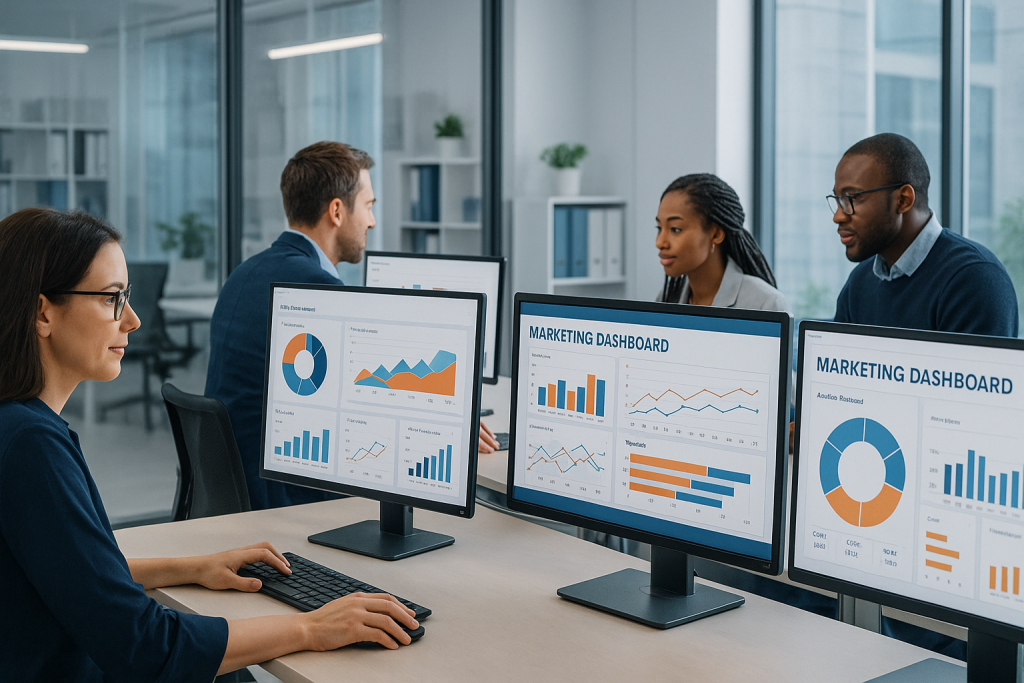
As an example, one B2B company saw a 247% increase in traffic after they regularly tracked campaign performance and adjusted tactics accordingly. Agility helps make sure product teams are always in tune with changing market demands.
Address Common Challenges
Integration isn’t without its challenges. Silos between departments can make collaboration difficult, and budget allocation and funding streams can further complicate the distribution of resources.
Being adaptable—working with AI and AI-friendly, privacy-compliant data collection methods—will continue to break down barriers. We see leaders like Amazon showing us the way, with integrated strategies from PPC to affiliate marketing, driving massive, compounding growth.
Challenges in Combining Marketing Approaches
Combining traditional and digital marketing approaches into a holistic marketing strategy comes with its own challenges that require a strategic mindset. Each channel has unique strengths, but pursuing a more effective marketing strategy faces structural, financial, and strategic barriers.
Overcoming Organizational Silos
Breaking down silos between marketing teams is only the first step toward seamless integration. Traditional and digital marketers are still largely siloed, preventing joint effort. Cross-functional marketing training can help bridge this gap by providing insight into each other’s strategies and audience expectations.
Digital marketers have much to learn from traditional approaches, like television advertising. As a matter of fact, this approach is more relevant than ever, with a projected 2.9% spending increase in 2022 (AMA). Perhaps most important is the role of leadership to foster collaboration by promoting common goals and metrics.
Ongoing creative and strategy brainstorming sessions can help generate new ideas, combining old school outreach with new school digital targeting.
Managing Budget Allocation
Strategic budget allocation can go a long way toward making sure you’re balancing your investment across the marketing channels. Traditional advertising now only accounts for 28% of budgets, reports William & Mary Online. When you combine it with your digital initiatives, you’ll find that you can achieve the greatest overall effect.
Regularly reviewing performance data not only assists in justifying expenditures, but helps to prioritize areas of growth. Flexibility in budgeting allows marketers to adapt to shifting trends, such as the resurgence of traditional media, while leveraging digital channels to maintain agility.
Adapting to Rapid Market Changes
While consumer behavior may change overnight, marketers must always keep a pulse on the industry to be aware of macro trends and shifts from competitors. Immediate access to analytics allows for real-time changes to turn campaigns to meet the needs of the moment.
Fostering innovation, such as AI-enabled tools, fuels nimble tactics and deeper integration.
Ensuring Team Collaboration
Collaboration flourishes on a foundation of open communication and common goals, which is essential for an effective marketing strategy. An established cadence of meetings helps both teams stay focused on agreed-upon priorities, while data-sharing platforms ensure efficient information flow, supporting the holistic marketing approach vital for success.
These collaborative brainstorming sessions promote the creative thinking necessary to develop solutions, effectively integrating traditional marketing methods with modern digital marketing tactics.
Navigating Future Trends
Emerging trends such as artificial intelligence and influencer marketing only add to this necessity for ongoing revision and adaptation. Testing emerging channels, like podcasts or interactive streaming, ensures brands don’t fall behind their competitors.
Technology is clearly at the center in making all of these different types of marketing work together seamlessly.
Future Trends in Marketing Integration
The integration of traditional and digital marketing is an ever-changing landscape, heavily influenced by new technologies and consumers’ shifting habits. One thing is for certain—businesses are adopting a more holistic marketing strategy. For example, today’s emerging trends, such as artificial intelligence (AI) and integrated marketing campaigns, are changing the way brands engage their audience.
Role of Artificial Intelligence in Integration
AI is revolutionizing the field of marketing by streamlining intricate processes using data analysis and automation. It allows marketers to analyze massive data sets to find new correlations, discover new trends, and make smarter, more data-driven decisions. One way is leveraging advanced AI tools such as predictive analytics to anticipate customer behaviors, so brands know exactly how to engage with their ideal audience.
This is how personalization has become a cornerstone of customer engagement, and AI makes this possible at scale. Companies deploy machine learning algorithms to create personalized experiences. This means dynamic email campaigns and product recommendations focused on what each customer wants, enhancing the holistic marketing approach that helps customers stay engaged and develop stronger relationships.
Furthermore, artificial intelligence improves marketing campaigns by evaluating performance data in real-time. Platforms such as Google Ads leverage AI to automatically set bidding strategies with the greatest potential for ROI. By simplifying these processes, brands can save time and resources while producing better end results, contributing to their overall marketing efforts.
Using AI tools such as chatbots and CRM software enhances operational efficiency, allowing marketing teams to focus on a cohesive brand experience and strategic planning rather than execution.
Growing Importance of Omnichannel Strategies
The shift toward a holistic marketing strategy is largely driven by rising customer expectations for seamless experiences. Today’s consumers demand consistency in their interactions with a brand, whether they are engaging through digital marketing channels or in-person. For instance, a customer exploring a product via a mobile app should encounter the same information when they visit a physical store or find it in your email marketing campaigns.
Leading brands like Adidas and Walgreens excel in creating these integrated marketing campaigns, fostering enhanced trust and loyalty among their customer base. In this context, technology plays a crucial role in connecting various marketing disciplines. Tools such as customer data platforms (CDPs) are vital for integrating disparate data, addressing the challenges posed by disconnected tools and silos within organizations.
Such comprehensive marketing strategies enable smooth transitions for customers. For example, they can effectively retarget online shoppers with personalized ads and provide follow-ups through loyalty programs after purchases. Companies embracing holistic digital marketing approaches are witnessing improved customer satisfaction, demonstrating the effectiveness of omnichannel strategies.
Personalization as a Key Driver
Personalization is the fuel behind a successful marketing strategy today; customers want to feel known and appreciated with content that speaks to their individual needs. A holistic digital marketing approach allows brands to create these hyper-relevant messages through insights from various marketing disciplines. For instance, SEO and social media analytics can help shape email content, ensuring it resonates with the interests of particular audience segments.
By adopting this personalized approach, you can significantly boost customer retention. Research has found that personalized experiences encourage loyalty. Notably, case studies by Microsoft and Carlsberg show that integrating traditional marketing methods with digital marketing tactics allows marketers to support their message effectively while remaining cost-efficient.
The boom in traditional media spending underscores the importance of a comprehensive marketing strategy.
Conclusion
Combining traditional and digital marketing provides a surefire route to holistic growth. When you combine the two approaches, you start to reap the benefits of each. Where traditional marketing excels in building trust and brand recognition, digital marketing delivers unmatched speed and precision. When operated in tandem, they form a powerful, holistic message that resonates with people, no matter where they are.
It requires deliberate planning and sustained effort, but the dividends are well worth it. When traditional marketing and digital marketing are well-integrated, it increases brand consistency, broadens reach, and raises engagement. It’s not an either/or proposition—it’s about integration and balance.
Begin with a small scale, experiment with various concepts, and iterate based on results and feedback. Most importantly, stay nimble as trends change. When executed correctly, integrated marketing can create new pathways to success and help your brand rise above the noise in today’s competitive landscape.
Frequently Asked Questions
What is integrated marketing?
Integrated marketing takes that a step further by utilizing both traditional and digital marketing methods to create a holistic marketing strategy, ensuring a cohesive message across every channel. This approach guarantees that your brand remains consistent while effectively reaching your audience.
Why is combining traditional and digital marketing important?
By employing a holistic marketing strategy, businesses can create more reach and impact, leveraging the strengths of both traditional marketing and digital marketing. While traditional marketing focuses on building trust, effective digital marketing tactics provide precise targeting and valuable analytics.
What are the key components of integrated marketing?
A consistent brand narrative, cohesive messaging across various marketing disciplines, and collaboration between traditional marketing strategies and digital marketing tactics are all important ingredients.
How can businesses effectively integrate marketing approaches?
First, create a holistic marketing strategy that harmonizes objectives among every team. Second, leverage analytics to measure performance and ensure that each digital marketing channel provides a cohesive brand experience.
What are common challenges in integrating marketing approaches?
Challenges like siloed teams, inconsistent messaging, and budget constraints hinder the effectiveness of a holistic marketing strategy.
What are the benefits of marketing integration?
It increases brand cohesion and improves the customer journey through a holistic marketing strategy, maximizing ROI and allowing you to reach broader audiences more efficiently on different platforms.
What future trends are shaping marketing integration?
From AI-driven personalization and omnichannel strategies to advanced data analytics, technology is transforming the marketing landscape as businesses integrate traditional and digital marketing methods to create a holistic marketing strategy.