

Key Takeaways
- Depending exclusively on referrals can lead to erratic growth, cash flow problems, and a loss of control over your business’s expansion.
- Diversifying lead generation through content marketing, digital advertising, community building, partnerships, and direct outreach can strengthen your business resilience.
- Tracking this stuff helps you optimize your strategies and means you don’t have to depend on referrals.
- Building brand authority and new touchpoints increases both direct leads and referral opportunities over time.
- Creating a stage-based transition plan, with defined budgetary stages, facilitates this transition away from referrals.
- Keeping your marketing fresh, whether it’s a niche collab or a value-driven piece of content, keeps your business visible and attracts new people around the world.
To stop relying on referrals means discovering more ways to get clients or sales without waiting for others to refer you. Most small firms and freelancers encounter this problem when they desire consistent growth.
Developing a diverse mix of new channels, such as online ads, content, or events, can help you diversify risk and grow your business. Below, discover steps and tips that perform well across business types to help establish a robust plan.
The Referral Trap
Relying exclusively on referrals can stunt a business even if it seems secure initially. They’re trapped in the referral trap — stuck with a tiny network of contacts and unable to continue expanding. Over time, this becomes harder to predict, to schedule, to reach new clients, or to adapt to new markets. Here’s why the referral trap is a trap and how to identify it.
Unpredictable Growth
Referrals arrive in waves, not a smooth stream. Some months are crazy with new clients, others are slow. This renders it difficult to forecast revenue and budget for expenses such as payroll or investments.
Take, for example, a consultant who gets a number of clients from previous contacts. They might be fine for a while until those contacts dry up and then their income plummets. This randomness can create cash flow issues when bills are due, but new work isn’t.
When markets shift or the economy softens, referrals often become even more sluggish. We all become more guarded with our referrals in difficult times. That leaves businesses vulnerable, with no fallback strategy for slow times.
Without a client-pursuing mindset, you’ll fall into what I call The Referral Trap, which is waiting for work by way of referrals that might never materialize. Designing a marketing strategy and employing multiple sources for leads helps even out these fluctuations.
By casting a wide net across social media, email, or even local events, companies can maintain a trickle of new customers. This simplifies growth planning and helps you avoid the churn of feast or famine work.
Market Stagnation
The Referral Trap is that by concentrating exclusively on referrals, you can trap a business to a tiny fraction of the marketplace. Sure, most referrals come from people that already know you and your work, but these networks can only stretch so far.
After a while, this restricts opportunities to discover new varieties of clients or projects. For instance, a design agency receiving referrals from a couple of long-standing partners might never make it to clients in new industries or geographies.
When the client base doesn’t grow, opportunities are missed. It’s all too easy to miss new segments or trends when you’re catering to the same group for too long. Certain markets evolve rapidly, and remaining on a confined trajectory makes it difficult to stay up-to-date.
To continue your ascent, it’s crucial to seek new marketing avenues. Consider online advertising, industry meetups, or perhaps collaborating with complementary brands.
Lost Control
If you depend on other people to refer work, you lose control over your source of leads. This means letting external forces drive your business trajectory. If referrals dry up, you’re stuck.
With no control over when or what quality leads arrive, it’s nearly impossible to plan in advance. Taking back control is building your own outreach.
Begin with easy-to-deploy systems for email marketing, online ads, or your website content. These allow you to select the kind of clients you desire and approach you on your own terms.
In the long run, monitoring what is effective allows you to optimize your strategy and ensure you are not stranded in the referral trap.
Diversification Strategies
Diversification strategies – a multi-pronged lead generation strategy creates business stability and reduces risk. Referrals alone expose companies to market shifts and the economic cycle. Diversification helps smooth out volatility, making results more predictable and resilient over time.
By diversifying across channels, declines in one can be made up by increases in another. Smart diversification is not about mass but about equilibrium, planning, and continuous tuning.
Marketing Channels and Benefits:
- Content creation: Builds trust and authority, drives organic traffic.
- Digital advertising: Reaches wide, targeted audiences fast.
- Community building: Grows reputation, fosters loyalty, and inspires referrals.
- Strategic partnerships open access to new markets and shared resources.
- Direct outreach: Enables proactive targeting and personal connection.
One good example is diversification. A company’s marketing strategy should be a mixture of inbound techniques like content and SEO along with outbound strategies like ads and outreach. Valuing diversification is not relying too heavily on one source of leads.
It requires research, planning, and results tracking to stay efficient.
1. Content Creation
By producing something valuable, you attract quality leads and generate trust as a side effect. Blog posts and social media updates enable companies to demonstrate their expertise, while videos appeal to people on a more emotional level.
A content calendar keeps it honest and helps ensure consistent messaging. With SEO, companies can connect with individuals looking for their products. For instance, a business consultant who posts case studies and how-to guides can get clients from all over the world, not just by word-of-mouth.
2. Digital Advertising
Digital ads expose services to new eyes, usually far more quickly than organic efforts. Google Ads and the various LinkedIn and Facebook communities assist with targeting specific interest groups, in particular locations or job roles.
Keeping an eye on ad performance is critical. Clicks, conversions, and cost per lead are all metrics that can help you fine-tune your campaigns. Splitting up the budget across channels lets you diversify risk and can hit different segments simultaneously.
This way, companies don’t have all their eggs in one basket.
3. Community Building
Establishing a robust network among peers and industry groups provides both support and fresh insights. Participating in local or online communities helps build brand awareness and trust.
Hosting webinars or meetups demonstrates expertise and brings in leads directly. Participating in community projects fuels word-of-mouth referrals. Community work, while it may be slow, can be very rewarding in the long term as it fosters valuable bonds.
4. Strategic Partnerships
By partnering with companies offering other complementary services, you gain access to new markets. For instance, a marketing agency might partner with a software developer, exchanging leads and support.
These alliances enable co-marketing and mutual credibility. It is important to establish clear expectations and goals so that both parties benefit. Over time, they can turn into a consistent source of leads.
5. Direct Outreach
Direct outreach is going to your potential clients before they come to you. Cold emails and LinkedIn messages enable companies to pitch their services straight in.
Tailoring each message according to the recipient’s needs can increase response rates. Knowing what outreach strategies are most effective allows you to optimize the process.
Over time, this can cultivate a steady pipeline of leads beyond just referrals.
Measuring Success
Success metrics are central to breaking free from referrals. Without a clean set of metrics, it’s difficult to see progress or determine if new marketing initiatives are effective. You can measure success in numbers, like leads or sales, or in softer signals, like client happiness.
The proper balance of metrics varies with business objectives and your stage in those objectives. When combined, data and feedback offer a more complete scope and assist in identifying opportunities for improvement.
Key Metrics
| Metric | Definition |
|---|---|
| Lead Conversion Rate | The percentage of leads that become paying customers |
| Website Traffic | The total number of visits to your website |
| Bounce Rate | The percentage of visitors who leave after viewing only one page |
| Social Media Engagement | The number of likes, shares, comments, and clicks across social platforms |
| Customer Retention Rate | The proportion of clients who return for repeat business |
| Email Open Rate | The percentage of email recipients who open your emails |
Monitoring website traffic is an easy way to find out if your content is attracting new visitors. If traffic spikes after you launch a new campaign or refresh your blog, that’s an indicator your activity is being noticed.
Look for patterns in the visitors you’re getting, where they’re coming from, and what pages they’re visiting. Social media engagement indicates the degree to which individuals interact with your posts. If your content inspires more shares, comments, or likes, that’s success by our definition.
These numbers help reveal what topics or formats your audience prefers, simplifying future post planning. Periodic reviews of all these numbers count. A drop in lead conversion or a spike in bounce rate can flag problems early.
Tracking metrics over time allows you to identify what’s working and where you need to adjust your strategy.
Channel Performance
| Channel | Inbound/Outbound | Key Metric | Effectiveness Example |
|---|---|---|---|
| Content Marketing | Inbound | Website Traffic | Blog posts increase organic visits |
| Email Campaigns | Outbound | Open/Click Rates | Targeted emails boost responses |
| Paid Ads | Outbound | Cost Per Lead | Ads lower cost for each new sign-up |
| Social Media | Inbound | Engagement Rate | Posts drive more interactions |
Measure success: for example, compare inbound and outbound channels to determine which one attracts more leads or higher quality prospects. Certain companies perform better with blog posts, others with paid ads or emails.
A/B testing is useful here. For instance, test two versions of an email to see which has a higher open rate. Tuning resources to channels that perform best prevents wasted effort. If paid ads don’t convert, go all in on organic content or on a different platform.
Continue to measure success so you can shift budget and energy to what performs best.
Customer Feedback
Getting honest feedback from clients can illuminate things numbers miss. Direct feedback from surveys or interviews illuminates what makes people stay or go. One long form survey and a quick post-project call can both provide interesting insight.
As in do something with what you learn. If customers want clearer support or quicker follow-ups, implement those changes. Minor adjustments informed by actual response increase both stickiness and credibility.
Open feedback channels, such as online forms or direct email, demonstrate to clients that you appreciate their feedback. This dialogue fosters long-term loyalty and keeps your business attuned to evolving needs.
The Transition Plan
A clear transition plan is essential to getting out of the referral trap. Such a plan assists you in controlling risk, establishing a reliable stream of new leads, and keeping the wheels turning during the transition.
Establishing the appropriate platforms and tools, content generation and distribution, and digital asset optimization comprise the core of this transition plan. The transition plan, both digital and team-based, is about embracing change, managing budgets, and staging rollouts.
- Determine how dependent you are on referrals by tabulating what percentage of new leads come directly from referrals.
- Find new marketing channels that suit the business, such as a professional website, local SEO, social media like LinkedIn and Instagram, and email marketing.
- Set up and optimize each channel. Update or build a website, start posting on social media profiles, and set up targeted email lists and sender systems.
- Plan for content creation and publication in order to engage your audience across channels, including blog posts, articles, industry updates, and case studies.
- Watch your trends – things like site visits, rankings, and open rates to stay on top of progress and changes.
- Check over and revise the plan every month, either on your own or with a marketing coach.
Mindset Shift
Teams have to evolve beyond the notion that referrals are the only way to do business. This implies developing a growth mentality and remaining receptive to novel approaches.
Some employees will be reluctant to abandon what they know, so facilitate discussions around the value and objectives of the transition. By being proactive in outreach and marketing, such as reaching out on LinkedIn or sharing helpful content, you can help everyone recognize the benefits of extending efforts beyond word-of-mouth.
Leaders need to make room for new ideas. When they experience that experimentation is rewarded—even if it’s not consistently successful—they are more likely to back the change. This mentality keeps teams nimble and able to adjust as the marketplace or industry shifts.
Budget Allocation
Begin by analyzing your existing marketing expenditure and establish a budget that aligns with your objectives. For instance, if increasing site traffic is a number one priority, allocate more budget to SEO and content.
Divide the budget among multiple channels, such as social media ads, site tools, or email tools, depending on what generates the strongest results. Review spending frequently and transfer money accordingly.
If a one-channel campaign brings more leads, increase its budget. If it is underperforming, cut or pause spending there. This keeps resources focused on what does work.
Phased Implementation
Divide the transition into specific milestones, such as establishing a new website during the initial week, initiating your first email campaign in the second week, and beginning LinkedIn outreach by the third week.
Establish milestones, perhaps a certain number of followers or email subscribers, to keep the team fired up. Choose one or two high-impact strategies up front, like email campaigns or LinkedIn optimization, for some quick wins.
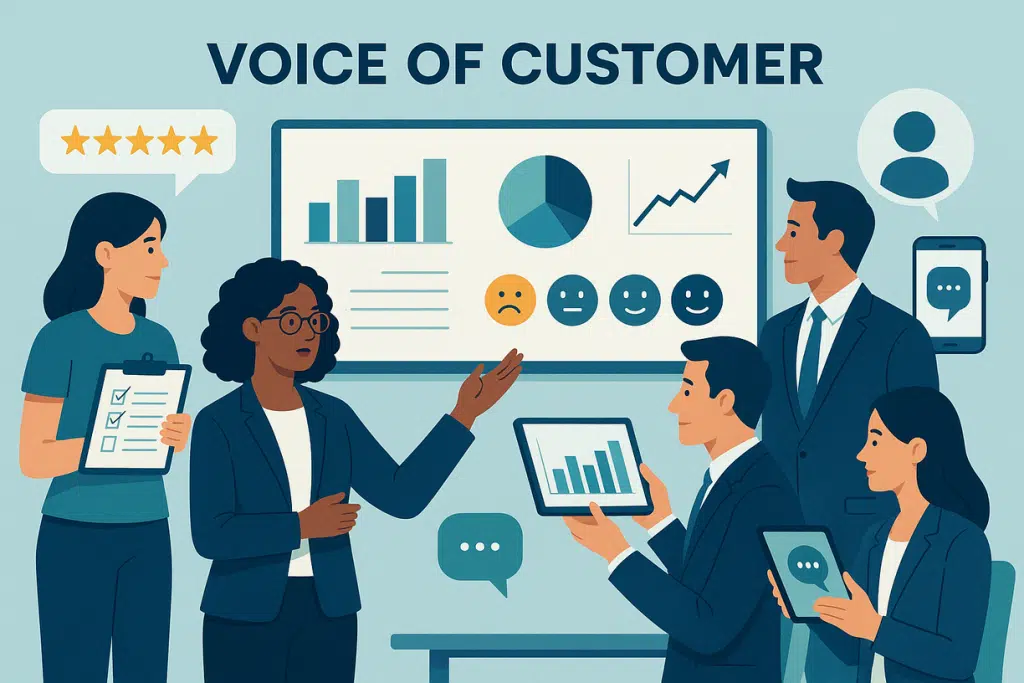
Celebrate these to keep energy high. Let the plan be subject to change. If a channel isn’t panning out, modify the plan rather than adhere blindly. This agile tactical approach minimizes risk and eases the transition for all.
The Referral Amplifier
The referral amplifier is designed to automate the way you reach new potential clients and nurture leads for service providers looking to extend beyond word-of-mouth. Like these financial advisors and service providers, use referral amplifiers to grow your practice’s marketing, automate outreach and lower your client acquisition costs.
Some report standout returns, others mixed, so it generally depends on how well the tool suits your biz and market.
Marketing as a Magnet
A great marketing message attracts clients that match your services. Storytelling, for instance, allows you to build trust through sharing authentic experiences or client journeys. By highlighting what makes your firm special, such as particular services, expedited response times, or an emphasis on local values, you assist people in recalling you ahead of the competition.
If you have a great website or social media presence or even a professional listing on international platforms, more people will be able to locate you. These combined initiatives help to attract prospects without depending solely on existing client referrals.
Building Brand Authority
Posting thought leadership content, like guides or commentary on industry trends, demonstrates your expertise. Speaking gigs or webinars can expose you to new audiences. Partnering with trusted voices amplifies your brand’s authority and extends its reach.
The heart is to continue providing top-notch service since a solid reputation expands when others witness you’re dependable and consistent, both online and in person.
Creating New Touchpoints
Discover additional opportunities to encounter prospects in their buying journey. Email is good for sending updates or tips to warm up leads over time. Social media platforms allow you to share quick updates, while webinars provide a more in-depth experience for those geared up to participate.
Automated text and email systems, powered by some referral amplifiers, can reach out to leads compliantly and keep them engaged with long-term follow-up campaigns. Remarketing campaigns let you reach people who visited your site at one time but did not join up.
Be consistent and use the same tone and message across all channels so your brand feels steady and reliable.
Innovative Tactics
Being remarkable in a crowded marketplace means thinking beyond word-of-mouth. Depending solely on referrals is dangerous. When referrals subside, your growth can plateau and your business does a nervous twitch. A more balanced strategy encompasses various marketing channels and incorporates inventive, at times audacious, tactics. They can help you reach new markets, establish a name, and keep your business humming.
Niche Collaborations
Collaborating with niche players opens the door to smaller markets that bigger companies ignore. By collaborating, both parties can provide exclusive content to niche audiences. For instance, a web designer could partner with a local food producer and open an online shop, leveraging one another’s strengths to create superior products.
Co-innovating service or products for these mini-groups satisfies their unique need and provides a new innovation direction for both brands. This could be a joint webinar, a custom tool, or a special service bundle.
Co-marketing is crucial. By splitting the expense and footprint of campaigns, such as a co-branded newsletter or social post, you get exposure to both audiences. When well conceived, these initiatives can bring new customers who might have never discovered either business.
Educational Workshops
Workshops are an excellent way to demonstrate expertise and establish credibility. Whether it is in-person or online, hosting sessions gives you the chance to educate potential clients about your discipline. For instance, a digital consultant might conduct a monthly local SEO workshop, demonstrating actual strategies for improved searches.
Workshops leave space for direct questions, which fosters a genuine connection. Whether sharing tips or giving away handy resources like checklists or guides, you demonstrate your worth.
With each event, a quick email follow-up can keep the relationship booming, transforming workshop visitors into permanent customers.
Value-Driven Content
Content is the foundation of online discoverability. Blogging about common problems or pain points is a good way to attract the right people. Providing free utilities like e-books or templates establishes trust and maintains your brand front and center.
By staying active and posting new content on your own websites and blogs, you are giving your local SEO a giant boost, making it easier for people to find your business in search engines.
Email newsletters are still our number one channel, giving you the chance to get in front of your audience directly in their inbox. Deploy scheduling tools or outsource content planning to keep things humming. Frequent refreshes make your assets current and relevant, demonstrating that your company listens and cares about its readers.
Conclusion
To break the hold of referrals, leverage new avenues for consistent growth. Expand your reach with specific actions. Experiment with paid ads, refresh your website, participate in forums, or trial new offers. Monitor easy metrics such as leads, calls, and sales. Find what’s effective, then do more. Commit to your strategy, but remain flexible. That’s how a lot of firms make the switch and gain more control over their growth. If you want real results, begin with one new step and see what occurs. Talk your ideas or victories up with one another and contribute to constructing a network that’s not based on luck or legacy. For more real tips, follow us and join the chat.
Frequently Asked Questions
Why is relying only on referrals risky for business growth?
Referrals alone restrict your reach and make you vulnerable to fickle demand. Variegating your tactics creates solidity and sustainable expansion.
What are effective ways to diversify beyond referrals?
Leverage digital marketing, networking, content, and partnerships. Mixing these strategies gets you in front of new people and out of the referral trap.
How can I measure success after reducing reliance on referrals?
Measure things like where your customers are coming from, how much traffic your site is getting, what percentage converts, and your revenue. These markers demonstrate advancement and determine what is most effective.
What is a transition plan in moving away from referrals?
A transition plan details how to develop alternative lead sources, establish targets, and assign resources. It assists in making the transition without losing current clients.
Are there innovative tactics to attract more clients without referrals?
Yes. Think webinars, online courses, social media campaigns, or working with influencers. These tools make you known and draw in new, different clients.
How can I amplify the value of existing referrals while diversifying?
Encourage those happy clients to write testimonials or reviews online. That boosts your reputation even as your business emerges through other avenues.
How long does it take to see results after reducing dependency on referrals?
Outcomes differ, of course, but with sustained effort, the majority of companies observe improvements in a three to six month time frame. Monitoring progress assists you in making strategic adjustments.