
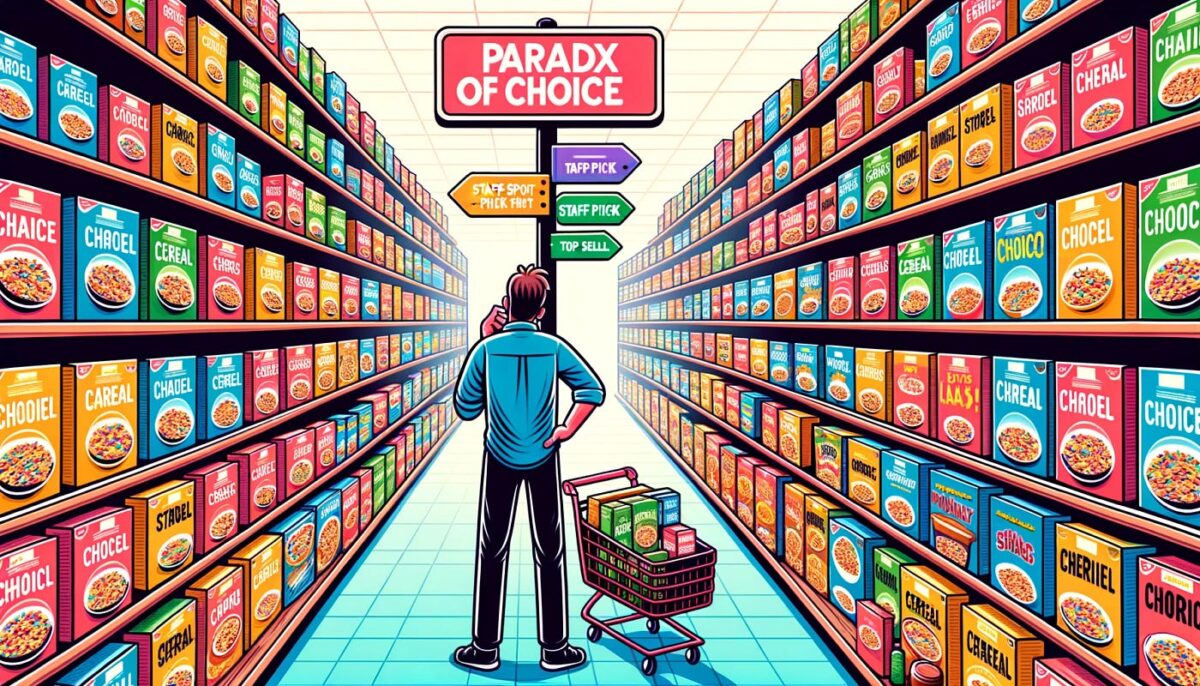
The B2B choice paradox strategy reveals a stark contrast between overwhelming options and decision-making clarity. Businesses often face a dizzying array of choices, leading to confusion and indecision. This strategy helps companies navigate these complexities by focusing on key factors that matter most.
Understanding how to simplify choices can drive better outcomes and improve client satisfaction. By applying the B2B choice paradox strategy, organizations can streamline their processes and enhance decision-making efficiency. This approach not only fosters trust but also positions businesses as experts in their field, ultimately leading to stronger partnerships and improved results.
Key Takeaways
- Understand the paradox of choice in B2B: Recognize that too many options can confuse customers and lead to decision paralysis, affecting sales.
- Limit options strategically: Offering a curated selection of products or services can help customers make quicker decisions, improving their buying experience.
- Find the choice sweet spot: Aim for a balance between variety and simplicity to cater to different customer needs without overwhelming them.
- Enhance decision efficiency: Use clear communication and guidance to help B2B customers navigate their choices, making the process smoother.
- Implement effective marketing strategies: Tailor your approach by showcasing the benefits of your offerings, helping customers feel more confident in their choices.
- Learn from industry leaders: Study successful companies that have tackled choice overload effectively for inspiration and best practices.
Understanding the Paradox of Choice in B2B
Definition
The paradox of choice refers to the idea that having too many options can lead to anxiety and indecision. In B2B markets, this phenomenon is significant. Companies often face countless choices when selecting products or services. This abundance can complicate decision-making processes.
Studies show that more options do not always lead to better outcomes. Instead, they can overwhelm decision-makers. They may struggle to evaluate all available alternatives. This situation can result in delayed decisions or even no decision at all.
Overwhelming Options
B2B decision-makers often experience stress due to excessive choices. For example, consider a company looking for software solutions. They might encounter hundreds of different software providers, each offering various features and pricing plans.
This overwhelming selection creates confusion. Decision-makers may worry about making the wrong choice. They might spend too much time analyzing options instead of focusing on their core business goals. The pressure of choosing the perfect solution can lead to frustration.
Research indicates that when faced with too many options, people tend to avoid making a decision altogether. This avoidance behavior is detrimental in a business setting. Companies risk missing out on valuable opportunities while they hesitate.
Balancing Variety and Simplicity
Finding the right balance between variety and simplicity is crucial in B2B markets. Businesses should provide enough options to meet diverse needs without overwhelming customers. A streamlined selection helps maintain clarity.
One effective strategy is to categorize products or services into clear segments. This approach allows decision-makers to focus on relevant options based on their specific requirements. For instance, a company could group software solutions by industry type or functionality.
Offering guided recommendations can also help simplify choices. By suggesting popular or high-rated products, businesses can reduce the burden on decision-makers. This method encourages faster decisions and enhances customer satisfaction.
Another tactic involves using comparison tools. These tools enable users to see key differences between products side-by-side. Such visual aids clarify options and facilitate informed decisions.
Maintaining simplicity does not mean limiting choices excessively. Instead, it means curating a thoughtful selection that aligns with customer needs. Providing clear information about each option enhances understanding.
Impact of Too Many Options on Business Decisions
Decision Paralysis
Excessive choices can lead to decision paralysis. When businesses face too many options, they often struggle to make a choice. This happens because each option requires careful consideration. The fear of making the wrong decision can overwhelm decision-makers. As a result, they may delay decisions or avoid them altogether.
Research shows that when given more than five options, many people find it hard to choose. This trend is evident in B2B settings as well. Teams may spend hours debating which software solution to adopt or which supplier to choose. In some cases, this indecision can stall projects and impact overall productivity.
Increased Time and Costs
The time spent evaluating numerous options can also increase costs. Companies may invest significant resources in research and analysis. They might hire consultants or conduct extensive market studies. These extra steps add to project timelines and budgets.
For example, a company looking for a new CRM system might compare dozens of platforms. Each demo and trial takes time away from other important tasks. Ultimately, the longer the decision-making process, the higher the costs incurred. Delays can lead to missed opportunities or loss of competitive edge.
Dilution of Brand Identity
Too many options can dilute brand identity and customer loyalty. When businesses offer countless products or services, their core message can become unclear. Customers might struggle to understand what the brand stands for.
A clear example is seen in companies that expand their product lines too broadly. They start with a strong focus but then introduce various unrelated items. Over time, customers no longer associate the brand with its original values. Instead, they see it as just another player in a crowded market.
This dilution affects customer loyalty as well. Customers prefer brands that have a clear identity and purpose. If they feel overwhelmed by choices, they may turn to competitors who present simpler options.
Consequences of Offering Limited Choices
Diverse Needs
Offering limited choices can lead to significant risks. Businesses may fail to meet the diverse customer needs that exist in the market. Different customers have different preferences. They look for products or services that fit their unique requirements. When options are restricted, some customers may feel ignored. This can result in lost sales and damaged relationships.
Focusing on a narrow range of products might seem efficient. However, it often overlooks specific demands from niche markets. For example, a technology company that only sells one type of software may miss out on potential clients who need specialized features. These clients might turn to competitors who offer tailored solutions.
Simplified Decision-Making
Limited choices can simplify decision-making for some customers. Fewer options mean less confusion and quicker decisions. This can be beneficial in fast-paced environments where time is crucial. Customers appreciate straightforward selections that save them time.
However, this simplicity comes at a cost. A smaller selection may reduce overall market appeal. Many consumers enjoy exploring various options before making a purchase. They want to compare features and prices to find the best fit for their needs. If they face too few choices, they might feel dissatisfied and look elsewhere.
Missed Opportunities
Businesses risk missing valuable opportunities by limiting their offerings. Niche markets often hold untapped potential. These markets consist of specific groups with unique needs and preferences. Companies can benefit significantly by catering to these segments.
For instance, a clothing brand that focuses solely on casual wear may overlook the demand for formal attire among professionals. By expanding its product line, the brand could attract new customers and increase revenue streams.
Moreover, niche markets often have less competition. This allows businesses to establish themselves as leaders in those areas. Companies can build strong loyalty by providing tailored solutions that meet specific customer desires.
In summary, offering limited choices presents several challenges for businesses. The risk of not meeting diverse customer needs is high. Simplifying decision-making may help some customers but can alienate others. Companies could miss opportunities in niche markets by not expanding their offerings.
Identifying the Choice Sweet Spot
Optimal Choices
Finding the right number of choices is crucial. Too many options can overwhelm customers. Research suggests that an optimal range is between 5 to 10 choices. This balance allows for variety without causing confusion. For instance, a software company might offer different plans, but limiting them to five can help buyers make quicker decisions.
Determining the Right Mix
Businesses need methods to identify the best mix of products or services. One effective approach is to analyze customer data. By looking at purchase patterns, companies can see which products are popular. They can also conduct surveys to understand customer preferences. Another method involves testing different combinations in the market. A/B testing helps businesses determine which offerings resonate most with their audience.
Importance of Customer Feedback
Customer feedback plays a vital role in refining choices. Engaging with customers provides insights into their needs and desires. Regularly gathering feedback through surveys or focus groups can reveal gaps in offerings. This information helps businesses adjust their product lines accordingly. For example, if customers express interest in a specific feature, companies can prioritize its development.
Balancing Variety and Simplicity
Balancing variety and simplicity is essential for customer satisfaction. Too few choices may lead to dissatisfaction, while too many can cause decision fatigue. Companies should aim for a selection that meets diverse needs but remains manageable. This strategy not only enhances the buying experience but also increases conversion rates.
Real-Life Examples
Several companies have successfully navigated this paradox. Apple, for example, offers a limited number of iPhone models each year. This strategy makes it easier for customers to choose while still providing enough options to meet various needs.
Similarly, Netflix curates its content library carefully. It offers a range of genres but limits the number of titles featured prominently. This approach keeps users engaged without overwhelming them with choices.
Balancing Variety and Simplicity in Offerings
Segmenting Offerings
Businesses face the challenge of providing enough options without overwhelming customers. Effective segmentation helps in this regard. Companies can categorize products based on customer needs, preferences, or usage scenarios. This method allows customers to find what they need quickly.
For example, a software company might offer solutions tailored for different industries. A healthcare package could include features specific to hospitals, while a retail package could focus on inventory management. By segmenting their offerings, companies avoid clutter and make choices easier.
Customizable Solutions
Customizable solutions play a vital role in balancing variety with simplicity. They allow customers to tailor products to their specific needs. Instead of offering numerous fixed options, businesses provide a base product that users can modify.
Take a car manufacturer as an example. They might sell a basic model with optional features like upgraded sound systems or enhanced safety packages. This approach gives customers control over their purchases while keeping the overall offering straightforward.
Clear Communication
Clear communication is essential when presenting options to customers. Businesses must articulate the differences between offerings effectively. Using simple language helps prevent confusion.
Visual aids like charts or comparison tables can clarify choices. For instance, a table comparing features across different service plans can guide customers in making informed decisions. This enhances understanding and reduces frustration.
Categorization also plays a role in effective communication. Grouping similar products together helps customers navigate choices easily. This organization leads to quicker decision-making and improves customer satisfaction.
Importance of Feedback
Feedback from customers can refine offerings further. Businesses should actively seek input on their products and services. Surveys or direct conversations provide insights into customer preferences.
This feedback loop allows companies to adjust their offerings based on real user experiences. If many customers express confusion about certain features, adjustments can be made to simplify those aspects.
Enhancing Decision Efficiency for B2B Customers
Decision Tools
Effective decision-making requires the right tools. Decision support systems (DSS) help businesses analyze data and make informed choices. These systems offer insights based on customer behavior and market trends.
Another useful tool is a customer relationship management (CRM) system. CRMs store customer interactions and preferences. This information aids in tailoring offerings to meet specific needs.
Using these tools can lead to improved decision efficiency. Businesses can respond quickly to customer demands through real-time data access.
Data Analytics
Data analytics plays a crucial role in understanding customer preferences. Companies can track buying patterns and identify trends over time. Analyzing this data helps businesses predict future needs.
For example, predictive analytics allows companies to forecast which products will be popular. This insight enables them to stock accordingly. By focusing on popular items, businesses streamline their inventory management.
Furthermore, analytics can reveal gaps in the market. Understanding these gaps allows companies to innovate and create new offerings that resonate with customers.
Streamlined Purchasing Process
A streamlined purchasing process is essential for B2B customers. Complicated processes lead to frustration and lost sales. Simplifying these steps enhances the customer experience.
One way to achieve this is by implementing an e-commerce platform. Such platforms allow customers to browse and purchase products easily. Features like easy navigation and quick checkout improve user satisfaction.
Offering personalized recommendations during the purchasing process can help customers make quicker decisions. Tailoring suggestions based on past purchases or browsing history leads to a more efficient shopping experience.

Effective Strategies for B2B Marketers
Clear Value Propositions
B2B marketers must present clear value propositions. This clarity helps potential clients understand the benefits of a product or service. Differentiation is crucial in a crowded market. Companies must highlight what makes them unique. They should focus on specific features, benefits, and outcomes that set them apart.
A strong value proposition addresses customer pain points directly. For example, if a software company offers automation tools, it should explain how these tools save time and reduce errors. This approach resonates with businesses looking to improve efficiency. Clear messaging can significantly influence decision-making.
Content Marketing
Content marketing plays a vital role in educating customers. It guides them through their buying journey. Marketers should create informative content that answers common questions. Blog posts, whitepapers, and case studies can help establish authority in the field.
For instance, a tech company might produce a series of articles on industry trends. These articles can position the company as a thought leader. They also provide valuable insights that potential clients appreciate. Educated customers are more likely to trust brands and make informed decisions.
Building Relationships
Building strong relationships is essential for B2B success. Trust fosters loyalty and repeat business. Marketers should prioritize relationship-building strategies. Regular communication with clients can enhance understanding and collaboration.
Personalized outreach can make a significant impact. Sending targeted emails or invitations to webinars shows clients they are valued. Companies should seek feedback regularly. This practice demonstrates commitment to improvement and responsiveness to client needs.
Networking events also provide opportunities to connect with potential clients. Engaging in industry conferences allows marketers to showcase their expertise while building rapport with attendees.
Trust and Credibility
Trust is the foundation of any successful B2B relationship. Companies must demonstrate reliability and transparency in all dealings. Sharing testimonials and case studies can build credibility effectively.
Clients want proof that a product or service delivers results. Highlighting past successes reassures potential clients about their investment choices. Furthermore, maintaining open lines of communication helps reinforce trust over time.
Overcoming Challenges of Choice Overload
Simplifying Decisions
B2B marketers face challenges with choice overload. Too many options can confuse potential buyers. To simplify decisions, businesses should limit the number of choices presented. Fewer options lead to quicker decisions.
Another technique is to categorize products or services. Grouping similar items helps customers navigate offerings easily. Clear labels and descriptions can guide buyers toward suitable options. This approach reduces anxiety and enhances satisfaction.
Personalized Recommendations
Personalized recommendations play a crucial role in decision-making. They tailor suggestions based on customer behavior and preferences. For example, using data analytics, companies can identify what similar clients chose in the past. This insight helps present relevant options to new customers.
Guided selling also aids in overcoming choice overload. It involves providing step-by-step assistance during the purchasing process. Interactive tools can ask questions about needs and preferences. Based on answers, the system suggests the best solutions. This method engages customers and builds trust.
Continuous Monitoring
Continuous monitoring of product offerings is essential. Markets evolve rapidly, requiring adjustments to meet changing demands. Regularly reviewing sales data helps identify trends and gaps in offerings. Businesses must adapt their strategies accordingly.
Feedback from customers is also vital for improvement. Gathering insights through surveys or interviews allows companies to understand client needs better. Adjustments based on feedback enhance customer satisfaction and loyalty.
Insights from Industry Leaders
Successful Companies
Leading B2B companies manage choice effectively. Salesforce is a prime example. They offer a range of products but use clear categorization. This approach helps clients find what they need without feeling overwhelmed.
Another success story is HubSpot. They provide a wide selection of marketing tools. HubSpot simplifies the decision-making process by offering tiered pricing plans. Customers can easily identify which plan fits their needs best.
Best Practices
Industry leaders share valuable lessons in managing choices. Clear communication is essential. Companies should explain how their products solve specific problems. This builds trust and reduces confusion for customers.
Data-driven decisions are also crucial. Businesses should analyze customer behavior. Understanding preferences allows companies to tailor options effectively. For instance, LinkedIn uses data to recommend services based on user activity.
Regular feedback from customers aids in refining choices. Gathering insights helps businesses adjust their offerings. This keeps the product line relevant and customer-focused.
Innovative Approaches
Innovative strategies balance choice and simplicity in B2B markets. Amazon Web Services (AWS) offers a myriad of cloud solutions. They utilize a well-structured interface that guides users through complex options. The design allows users to filter choices based on specific needs.
Another innovative method is the use of guided selling tools. These tools help customers navigate through options step-by-step. Zendesk, for example, uses such tools to enhance user experience. They simplify the selection process while providing personalized recommendations.
Visual aids can also clarify complex information. Infographics and comparison charts help customers understand differences between products quickly. This visual representation reduces cognitive overload.
Lessons Learned
B2B companies must learn from each other’s experiences. Avoid overwhelming customers with too many choices at once. Instead, focus on presenting a curated selection that meets core needs.
Maintaining flexibility in offerings is important as well. Companies should adapt their product lines based on market trends and customer feedback. This responsiveness ensures relevance in a fast-paced environment.
Lastly, building strong relationships with customers fosters loyalty. Engaging with clients regularly allows businesses to understand their evolving needs better.
Closing Thoughts
Navigating the B2B choice paradox can be tricky. You’ve learned how too many options can overwhelm your customers, leading to poor decisions. Striking the right balance between variety and simplicity is key. By finding that sweet spot, you enhance decision efficiency and boost satisfaction.
Now is the time to put these strategies into action. Evaluate your offerings and streamline choices to help your clients make better decisions. Your expertise in this area can set you apart from competitors. Don’t let choice overload hold you back—embrace these insights and watch your business thrive. Take the first step today!
Frequently Asked Questions
What is the paradox of choice in B2B?
The paradox of choice in B2B refers to the overwhelming feeling clients experience when presented with too many options. This can lead to decision fatigue and hinder effective purchasing.
How does too many options affect business decisions?
Having too many options can create confusion and indecision among B2B customers. It may result in delayed purchases or even abandonment of the buying process altogether.
What are the consequences of offering limited choices?
Offering limited choices can simplify decision-making for customers, but it may also restrict their ability to find a solution that perfectly meets their needs, potentially leading them to competitors.
How do I identify the choice sweet spot?
To identify the choice sweet spot, analyze customer preferences and behaviors. Aim for a balance where options are sufficient to meet diverse needs without overwhelming decision-makers.
How can B2B companies enhance decision efficiency?
B2B companies can enhance decision efficiency by streamlining offerings, providing clear value propositions, and utilizing decision aids like comparison charts or guided selling techniques.
What strategies can B2B marketers use to overcome choice overload?
B2B marketers can simplify options, highlight best-sellers, use personalized recommendations, and provide educational content to guide customers through their choices effectively.
What insights can industry leaders offer about managing choice in B2B?
Industry leaders emphasize the importance of understanding customer pain points and preferences. They recommend testing different offerings and gathering feedback to refine choices continually.