
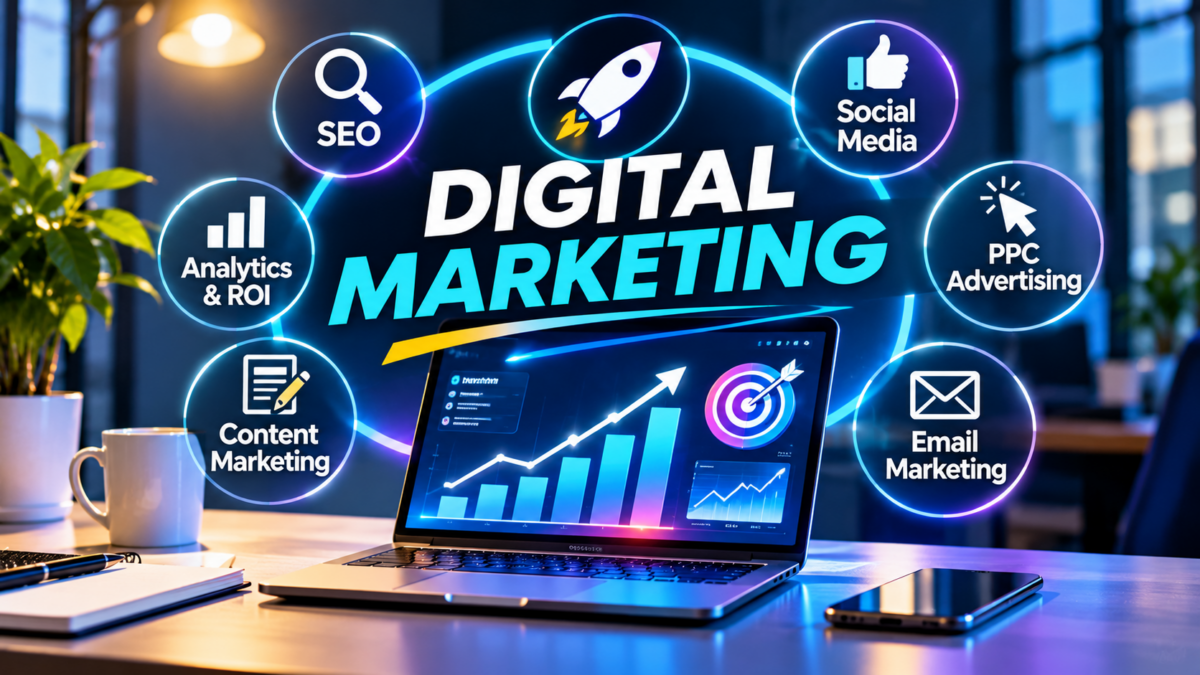
Key Takeaways
- Future-proofing your digital marketing means making sure your strategies are always one step ahead by aligning with changing consumer behaviors and technology.
- To stay relevant, companies in every industry must adopt a culture of innovation and agility as technology continues to evolve at lightning speed.
- AI integration, voice search optimization, and interactive content are just a few trends contributing to the ever-changing digital landscape.
- Both data privacy and sustainability are more important than ever when it comes to earning consumer trust and loyalty in today’s marketplace.
- By leveraging data-driven insights and customer-centric approaches, brands can increase engagement and make the most of their marketing investment.
- Ongoing education, keeping a pulse on what’s happening within the industry, and testing new campaign strategies are key tactics to get a leg up on the competition.
Future-proofing your digital marketing means staying ahead of the curve with flexible strategies and knowing which trends are defining the industry. With technology and consumer behavior evolving as quickly as we see today, building flexibility into any campaign will be critical in re-focusing to ensure long-term success.
From utilizing artificial intelligence to catering to voice search, marketers need to be in line with tools and preferences that are on the rise. Social media platforms, changing search algorithms and privacy regulations are other key factors to consider in developing the right strategy.
By analyzing current patterns and anticipating future shifts, businesses can build resilient plans that cater to audience needs and maintain relevance. This guide provides practical insights and strategies to help you navigate the dynamic landscape of digital marketing with confidence and clarity.
What Is Future-Proofing in Marketing
Future-proofing in marketing means getting ahead of the curve so your marketing strategies are ready to take on changing consumer behaviors and emerging technologies. Future-proofing isn’t about predicting every future trend; rather, it’s about laying a foundation that ensures your brand can stay relevant as the digital landscape evolves around you.
Through a strong commitment to flexibility and innovation, businesses can adapt to change with confidence and stay ahead of the competition. At its core, future-proofing is about anticipating and preparing for shifts in the market before they occur.
AI-powered personalization is changing the consumer-brand relationship for the better. This move highlights the importance of omnichannel experiences and consumers’ increasing desire for frictionless experiences across channels. Omnichannel consumers spend 10% more online and 4% more in-person than customers who only use one channel.
It highlights the tremendous value of employing effective marketing strategies across multiple touchpoints. Brands that prioritize providing meaningful customer experiences and mobile-first interactions are more likely to achieve success. By adopting automation, they’re not just meeting consumer expectations but also fostering long-term customer loyalty.
Innovation plays a crucial role in developing a robust marketing strategy that’s resilient against upcoming challenges. Patagonia and Allbirds, for instance, have resonated with consumers by focusing on sustainability and transparency, cutting through the noise in the crowded market.
This strategy is sure to resonate with audiences looking for brands that align with what they care about the most. Moreover, with 80% of consumers likely to buy from brands offering personalized experiences, leveraging data analytics becomes essential for tailoring campaigns and building trust over time.
Why Future-Proofing Matters
Digital marketing never stands still, constantly influenced by technological advancements and changing consumer behavior. Staying ahead requires us to recognize, embrace, and plan for change before it turns into a crisis. Tools such as generative artificial intelligence or new trends in voice search can quickly change the game and alter how organizations need to engage with their audiences. This adaptability is vital for achieving marketing success.
Without this ability to keep pace, strategies that were once effective in the past may become less impactful. Like when mobile-first design was emerging, many brands didn’t prioritize it, making it hard to reach users on smartphones. Future-proofing your digital marketing strategy is your best bet against being blindsided by these changes.
Strategic foresight is essential to long-term success. By looking ahead at trends, you can position your marketing strategy to be ahead of the curve. Consider the explosion of video content—companies that recognized this trend before others did were able to seize attention and gain dedicated followings, demonstrating effective marketing strategies.
When you plan for change, you’re no longer playing defense—you’re the one setting the agenda. Consumer preferences are the third and perhaps most important motivator here. What excites and inspires people today won’t even register on the radar tomorrow, emphasizing the need for personalized marketing strategies.
We’ve observed this with the rise of the expectation for brands to have an authentic voice, forcing brands to reconsider their communications strategies. Staying relevant, as the world changes around us, demands a lively and flexible framework. This approach allows you to adjust plans quickly, whether it’s a new platform gaining popularity or a shift in values driving purchasing decisions.
Predictions for Digital Marketing Trends
Technology, consumer expectations, and societal changes are all having a major impact on the future of digital marketing. To remain future-proof, businesses need to not only recognize these developments but lead the way by implementing forward-thinking strategies.
Here, we take a look at those predictions and more that will shape the next era of digital marketing.
| Trend | Key Predictions |
|---|---|
| AI Growth | Enhanced customer engagement, predictive analytics, and campaign optimization. |
| Voice Search | Conversational SEO, voice commerce growth, and device-based interactions. |
| Interactive Content | Gamified experiences, quizzes, and immersive content driving engagement. |
| Personalized Marketing | Data-driven campaigns tailored to individual preferences and behaviors. |
| Ethical Marketing | Transparency, privacy compliance, and trust-building initiatives. |
| Sustainability | Eco-conscious branding and sustainable practices influencing consumer choices. |
1. Growth of Artificial Intelligence
AI is revolutionizing the digital marketing landscape by providing more intelligent tools to help marketers make informed decisions. With AI, marketers can analyze massive datasets, uncover actionable patterns and predict emerging trends.
Additionally, tools such as chatbots and personalized recommendation engines deliver customized consumer experiences, increasing interaction and engagement. For instance, AI-powered email marketing campaigns adjust content to the individual’s preferences, boosting open rates.
With AI implementation, advertisers can improve ad targeting and get clearer insights into customer behavior.
2. Rise of Voice Search Optimization
Voice search has had an undeniable impact on what SEO looks like. Consumers are increasingly leveraging these types of conversational queries, such as “What’s the best local pizza place?
Businesses win by creating the best, most relevant content for these voice queries, going for conversational style and natural language, and long-tail queries. Voice commerce is growing, too, as voice devices such as Amazon Echo increasingly make purchases via voice commands.
Optimized product descriptions and seamless voice interactions are key to winning this movement.
3. Expansion of Interactive Content
Interactive content boosts consumer engagement by providing immersive, hands-on experiences. Aspects like polls, quizzes, and augmented reality applications engage the audience and turn them into active participants.
For instance, brands leveraging gamified cross-channel campaigns allow users to discover products through more entertaining, engaging experiences. Interactive tools provide a more personalized experience, helping you get and keep more customers for life.
4. Importance of Privacy and Data Security
Data security is becoming more crucial than ever, as consumers expect brands to be transparent in how they use their information. When customers understand how their data is being used, their trust will help you forge deeper relationships with them.
Adhering to regulations such as GDPR and CCPA strengthens trustworthiness. Encryption and other cybersecurity measures help keep sensitive data secure, branding businesses that value this kind of technology as responsible and trustworthy.
5. Increased Focus on Sustainability
Consumers have made sustainability a priority, and brands that want to keep up with consumer demand need to go green. Marketing strategies that focus on sustainable initiatives, like promoting renewable materials or your commitment to waste reduction, really strike a chord.
Campaigns focused on sustainability deepen brand loyalty, especially with younger, more eco-conscious consumers. Through incorporating green initiatives, brands can position themselves to be at the forefront of ethical marketing.
Strategies to Adapt Your Marketing
Adapting your marketing strategies to new trends and technologies is crucial for achieving marketing success. Innovative businesses that align with consumer expectations will lead us to sustainable economic growth, ensuring relevance in an increasingly competitive digital marketing landscape.
1. Leverage Artificial Intelligence Tools
Artificial intelligence (AI) is the bedrock of today’s marketing landscape. With predictive analytics, marketers can better predict trends, optimize and improve their campaigns, and spend budgets more efficiently.
For instance, solutions such as Google Analytics 4 leverage machine learning to understand what users are doing and what they are likely to do next. You can automate repetitive tasks, like scheduling emails or placing ads, which minimizes manual errors and saves time.
AI improves customer segmentation by analysing customer patterns so that businesses can deliver more targeted, highly personalized offers. Understanding future developments in AI will help marketers adopt the latest tools to stay one step ahead.
2. Optimize for Voice Search
With devices like Amazon Echo and Google Nest as the new household ubiquitous, voice search is changing the way consumers search. Updating content to use more conversational keywords and natural phrasing takes advantage of how users are speaking to the search bar.
Making sure it’s mobile-friendly is just as important. Google found that 61% of users will never go back to a site that isn’t mobile-friendly. Search engines love fresh content.
Search algorithms favor regularly updated content, ensuring high visibility.
3. Create Engaging Interactive Content
Interactive formats such as quizzes and polls win the attention of audiences, providing a more memorable experience. Brands such as Nike are using augmented reality to help customers visualize products, increasing customer engagement.
User-generated content is a great way to build trust and community, and tracking metrics such as click-through rates will help refine future efforts.
4. Prioritize Data Privacy Compliance
Transparency in how data is collected, like being upfront when entering a new market, creates trust. Conducting regular security audits and following best practices keeps consumer data secure and within legal and ethical standards.
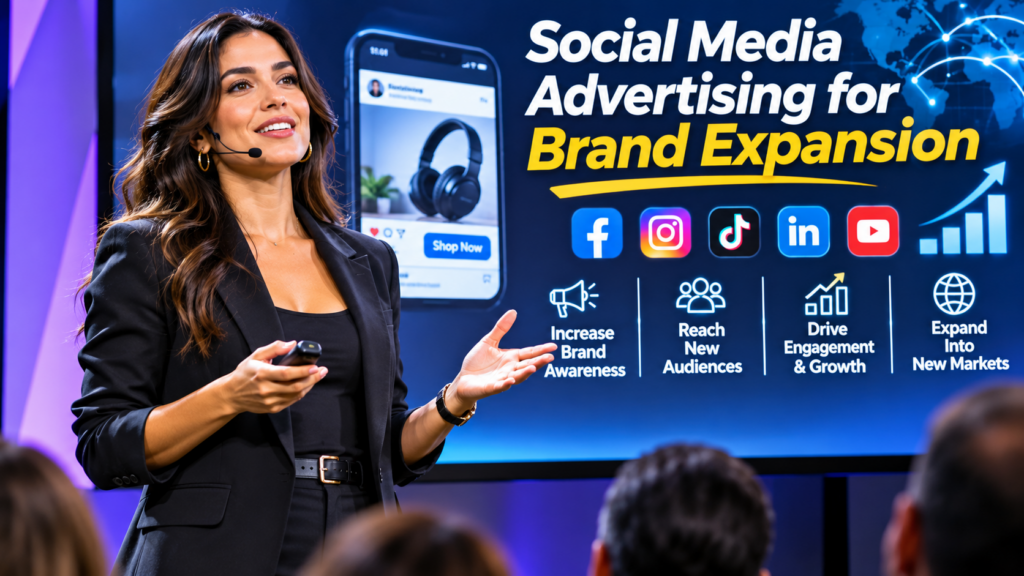
Encouraging customer feedback can improve privacy measures, aligning with user expectations. Keeping up with regulations such as the CCPA are important not just for compliance, but for retaining consumer trust.
5. Align with Sustainable Practices
Consider that sustainability has recently emerged as one of the top purchasing drivers. When brands purposefully incorporate eco-conscious values into their marketing, they connect with their audience on a deeper level, just like Patagonia.
Showcasing these efforts in your campaigns resonates with the growing number of environmentally conscious consumers, and collaborating with sustainability-focused organizations boosts credibility, too.
Role of Data-Driven Marketing
This is where data-driven marketing becomes key to developing more efficient and fluid marketing strategies. With a data-driven approach, marketers can identify key patterns and trends to inform critical decisions, helping campaigns to meet and exceed business goals. By analyzing historical performance data, you can determine which channels deliver the most engagement and ROI.
Armed with this invaluable insight, you can better allocate your resources to what’s really driving your marketing success. This gives the entire marketing department the ability to remove guesswork and make strategies more targeted and focused.
Customer data provides a window into preferences, behaviors, and expectations. When this information is collected and used responsibly, businesses are able to deliver personalized marketing strategies that speak to their audience’s needs and desires. For instance, e-commerce companies can use personalized recommendations based on shopper behavior to drive significant increases in conversion rates.
It’s about helping you to make smart decisions that drive better customer experiences with your brand. Advanced analytics tools go one step further by delivering deeper insights. Innovations such as predictive analytics allow companies to predict future trends, keeping them one step ahead of the digital marketing landscape.
Now, picture leveraging these same tools to get a read on seasonal buying patterns or forecast future demand for a product. These insights are vital to designing inclusive and equitable campaigns that respond to the moment and to future consumer behavior.
Additionally, data enables more precise tracking of marketing performance. Metrics such as click-through rates or conversion rates show you what’s working, what’s not, and where to make changes. Ongoing scrutiny means that each initiative provides quantifiable returns on each dollar spent.
Importance of Customer-Centric Approaches
Putting customers at the heart of marketing activity isn’t just a nice-to-have today—it’s the price of entry. Seventy-three percent of consumers would be more inclined to make a purchase based on a positive customer experience (CX). To achieve marketing success, companies need to focus on building fluid, impactful experiences.
A customer-centric approach allows you to build better experiences by going beyond what customers say they need or want. This deeper understanding not only establishes trust with the customer but also delivers invaluable insights that can inform more effective marketing strategies.
Personalization is the name of the game these days. By customizing content, offers, and communications based on individual preferences, businesses can drive higher engagement and build customer loyalty. A shopper that receives personalized offers feels valued and appreciated.
These product recommendations are based on their previous purchases or viewing history. This approach is not only the most effective—it’s what people expect. Today’s consumers expect brands to know what they want before they do, turning personalized marketing strategies into a key competitive differentiator.
Recent research finds that omnichannel customers spend 10 percent more online than their single-channel counterparts. They spend 4% more in-store than non-members, emphasizing the importance of reaching potential customers where they shop.
Just as important as education, outreach, and transparency is keeping lines of two-way communication open. Continuous feedback mechanisms, such as surveys or customer reviews, allow businesses to remain in tune with what customers want.
Regularly listening to customer input reinforces trust and loyalty, ensuring long-term success in the ever-evolving digital marketing landscape.
How to Stay Ahead of Competitors
To achieve marketing success in the rapidly evolving digital marketing landscape, companies must be proactive rather than reactive. They should focus on being flexible, nimble, and creative while adopting effective marketing strategies. By staying on top of trends, investing in skills and innovation, and embracing a test and learn mindset, marketers can set themselves up for immediate marketing success.
Monitor Industry Trends Regularly
Staying informed about industry changes helps businesses anticipate market shifts and identify new opportunities. Having subscriptions to quality publications such as Adweek or MarketingProfs will keep you in the loop on new trends as they develop.
These e-learning opportunities are full of actionable lessons, especially when it comes to mobile-first approaches. This is especially important since mobile devices make up more than 54% of all global internet traffic.
Competitor analysis is the other vital tool. By staying one step ahead of competitors, businesses can make sure their own positioning is as strong as possible.
Social media listening tools, such as Hootsuite or Brandwatch, reveal consumer sentiment and trending conversations, guiding marketing decisions in real time.
Invest in Continuous Learning
Digital marketing is constantly changing and the best way to stay ahead is through continued education. Workshops, certifications, or platforms like Coursera and HubSpot Academy offer training in areas like predictive analytics—a practice proven to increase sales by up to 20%.
By connecting with leading industry professionals, you will maximize knowledge-sharing and accelerate innovation. In the meantime, internal team learning sessions foster a culture of experimentation and innovation.
Test and Experiment with Campaigns
In the end, experimentation is often what stands between great campaigns and so-so campaigns. A/B testing, also known as split testing, helps marketers determine which ad or email variations perform best.
For example, personalized messaging—which 80% of consumers prefer—can easily be tested to see if it increases engagement. In fact, businesses that are constantly running experiments are 2x more likely to experience annual revenue growth, proving that adaptability is key.
Analyzing campaign data will help you make the best decisions for your future strategies. The ability to pivot campaigns half-way through, informed by performance analytics, is just as essential to optimizing ROI.
Challenges in Future-Proofing Digital Marketing
Businesses face significant challenges in their quest to future-proof their digital marketing strategy. The forward-looking expectation of a dramatic shift between now and 2025 only complicates this challenge further. One of the biggest hurdles is aligning with consumer expectations. Today’s consumers demand frictionless, personalized experiences—73% of consumers make purchase decisions based solely on customer experience. To meet these demands, brands must continuously evolve their engagement tactics, utilizing tools such as Google Analytics and social media analytics platforms to track audience interaction and conversions from their digital marketing efforts.
In a rapidly changing digital landscape, it can be overwhelming to focus solely on metrics. Striking the right balance between innovation and cohesive brand messaging presents a third major challenge. While new tools, like voice search through Amazon Alexa and Google Home, open doors for creative marketing strategies, they complicate the maintenance of a unified brand voice.
Brands can only achieve marketing success if they can adapt innovative tactics to their advantage, rather than being overwhelmed by them. This adaptation is particularly challenging as strategies that worked a few years ago may no longer be effective today. Additionally, cultural resistance to change within organizations exacerbates the difficulties of future-proofing.
Brands will only succeed if they can make innovative new tactics work for them, and not the other way around. This is especially difficult because what worked a few years ago might not work today. Cultural resistance to change inside organizations adds to the challenges of future-proofing.
By embracing flexible marketing systems and focusing on customer-centric strategies, brands can navigate the complexities of the evolving market landscape. This adaptability not only fosters customer loyalty but also enhances overall customer satisfaction, ensuring that businesses remain competitive in the future.
Conclusion
Digital marketing is never static. A willingness to stay flexible and forward-thinking is what allows you to stay ahead of the curve. Centralize data and understand what customers want. Join us as we explore what’s on the horizon so you can build strategies that will succeed now—and in the future. Creativity + analytics = results that make a difference. We marry art and science.
Future-proofing isn’t just about predicting even minor shifts. It’s less about making specific predictions and more about being dynamic and proactive. The first is this one—small, consistent adjustments make a huge difference over time. The real competitive advantage will be the brand that listens to their audience and continues to shape their approach around what they find most valuable.
Begin your future-proofing efforts with the tools, techniques and strategies discussed on this blog. The future of marketing bestows the greatest rewards upon those who remain ahead of the curve. What you do today positions you to be at the forefront tomorrow. So, stay tuned, stay sharp, and stay one step ahead.
Frequently Asked Questions
What does it mean to future-proof your digital marketing?
Future-proofing your digital marketing involves creating a robust marketing strategy that is agile enough to adapt to evolving trends, technologies, and customer behaviors, ensuring immediate marketing success in the digital landscape.
Why is future-proofing important for businesses?
Future-proofing helps businesses stay competitive and adapt to changes in the digital landscape. It protects future marketing success by ensuring your marketing strategy is ready for industry shifts.
What are some key digital marketing trends to watch?
These trends, including the integration of AI tools to create personalized marketing strategies, optimizing for voice search, and the growth of video marketing, are essential for developing effective marketing strategies. By staying informed about these key marketing trends, you can achieve immediate marketing success.
How can businesses adapt their marketing strategies effectively?
Build for flexibility in your digital marketing strategy, adapt to new technologies, and re-engineer for the customer. Make it a habit to review performance and adapt successful marketing strategies based on what data shows.
Why is data-driven marketing crucial for future-proofing?
Data-driven marketing helps avoid guesswork. By leveraging AI tools to analyze customer behavior and trends, you can optimize your digital marketing strategy for immediate marketing success.
How does a customer-centric approach future-proof marketing?
Taking a truly customer-centric approach is essential for marketing success, as it fosters loyalty and trust. By understanding and prioritizing customer needs, you ensure that your marketing strategy remains relevant and effective in the digital landscape.
What challenges might businesses face when future-proofing their marketing?
Challenges such as the fast pace of technology change, data privacy regulations, and evolving customer expectations are as rapid as the digital marketing landscape itself. Organizations need a robust marketing strategy to break through these barriers.