
Key Takeaways
- Treat your agency as a marquee client and assign time and effort towards measurable SEO objectives to safeguard and expand your brand presence.
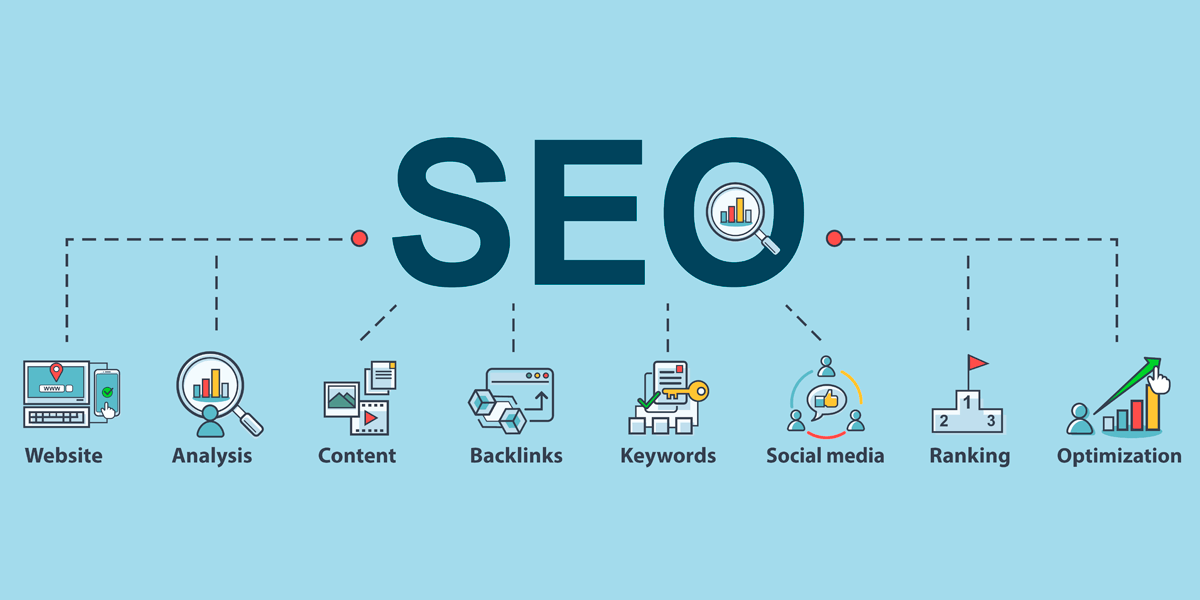
- Get back to the basics of SEO by emphasizing strong content, clean keyword-intent mapping, user engagement, and consistent backlinking to sustain ranking momentum.
- Use on-page optimization and UX tips, with carefully crafted titles, headings and internal links, as well as mobile layout and site speed, to minimize bounce rates.
- Through regular content audits and an internal linking strategy, weed out or update low quality pages, reinforce topical relevance and guide users to cornerstone content.
- Establish authority with original thought leadership, tactical link building and powerful brand signals including branded mentions, social traction and client testimonials.
- Ensure technical and local SEO supremacy with regular audits, correct indexing (sitemap & robots.txt), HTTPS, Core Web Vitals optimizations, and a strong local presence such as a fully filled out business profile.
Tried and tested strategies such as targeted keyword mapping, on-page optimization, fast page load times, structured data, and quality link building.
Agencies should monitor rankings, user engagement and conversions with analytics. By anticipating trends and prioritizing transparent reporting and scalable workflows, we help sustain gains and support client goals.
Below, discuss actionable strategies and resources for each of these areas.
The Agency Paradox
The agency paradox, where an agency’s rankings go up as clicks go down. This occurs as zero-click searches and richer SERP features distract from organic links, and B2B buyers shift how they research. Agencies have to treat their own site like a premium client, establish objectives, and create content both for clicks and presence within search results.
| Aspect | Agency SEO Management | Client Campaigns |
|---|---|---|
| Priority focus | Long-term brand authority, business leads | Specific product or campaign conversions |
| Resource allocation | Often under-resourced internally | Dedicated project teams and budgets |
| KPI mix | Visibility, thought leadership, attribution complexity | Traffic, leads, revenue, short-term ROI |
| Content style | Deep topic clusters, zero-click assets | Tactical landing pages, case studies |
| Measurement | Advanced attribution, multi-touch models | Simpler last-click or lead counts |
| Risk | Neglect lowers brand trust and acquisition | Client satisfaction tied to quick wins |
Commit resources and time to keep your agency website optimized. Block weekly hours for technical audits, content updates, and backlink outreach. Have one owner for SEO, one for content strategy, and rotate review every quarter.
Use a simple cadence: monthly crawl, quarterly content pruning, and biannual UX tests. Examples: refresh top-performing pages with new stats, convert high-impression/low-CTR pages into zero-click summaries, and add schema for FAQ and organization to win Knowledge Panels.
Don’t ignore your own brand visibility by treating the agency as a key client. Audit pages that rank in search but have poor conversion funnels. If rankings go from 42 to 9 and CTR falls from 1% to .2%, repair meta titles and descriptions and insert intent-aligned snippets.
Build topic authority with pillar pages, original research, and repeatable frameworks buyers can reference. Post short takeaways displayed in the snippet so people get value without clicking, but still see the agency as the source.
Establish obvious SEO objectives — just like client campaigns. Set results such as ‘grow featured snippet coverage by X in 6 months’ or ‘decrease target keyword zero-click leakage by Y%. Track SERP feature share, not rank.
Deploy attribution models that reward brand impressions and assisted conversions. Embrace zero-click strategies: produce short answer content for Featured Snippets (67% CTR potential), optimize for People Also Ask, and create image and video assets where appropriate.
Anticipate about 28% CTR for organic results. Design for that blend and gauge value past click.
Foundational SEO Pillars
Foundational SEO pillars are the core practices agencies must apply consistently across sites to rank higher: clarity in on-page signals, intent-driven content, strong user experience, purposeful internal linking, and routine content audits.
These pillars determine how search engines and users interpret a page and how the site endures over time.
1. Intent-Driven Content
Map keywords to user intent– informational, navigational, transactional– prior to writing. Match the angle, format, and depth to that intent — e.g. Long-form guides for informational queries, comparison pages for transactional.
Use headings and schema to identify FAQs, how-tos, and product information so Google displays rich results. Refresh content as intent changes – what was once an informational query may move towards transactional and the page should shift with it.
Include short examples: a services page that adds pricing tables and CTA buttons when searcher intent becomes transactional, or an FAQ that expands when questions surface in search queries.
2. On-Page Precision
Title and meta description optimization with main keywords and a short value proposition. Keep titles readable and under length limits so they don’t truncate in results.
Employ H1 for your page topic and H2/H3 for your subtopics — this allows readers to easily scan your content while providing search engines with some necessary context. Supplement with internal links to related pages to build topical clusters, and bullets and short paragraphs to increase scanability.
Focus on clarity and context in copy so the page’s role is obvious to both users and crawlers.
3. User Experience
Make it mobile-first as Google is now mobile-indexing. Target sub 2.5 second load times, audit and action a performance score—0.1–0.25 work needed, >0.25 poor.
Compress images, defer noncritical scripts, trim code bloat. Keep compelling content above the fold to reduce bounce rate, and employ images, pull quotes and bullets to break up long text.
Simplify menus and on-page trails until visitors get to answers in two or three clicks.
4. Internal Linking
Create a definitive internal linking map such that every page has at least one internal link. Link from related articles to cornerstone pages using descriptive anchor text which matches the target topic.
Link Rot: Links break or become outdated over time, so run regular link audits to locate them and either fix or redirect them. Internal links transfer context and authority, so put them where they’re useful, not just to pump up SEO.
5. Content Audits
Plan audits on a quarterly or biannual basis to discover thin, outdated, or duplicate content. Refresh statistics, insert new research, combine redundant pages or eliminate junky small-value content.
Use engagement to rank your audit priority. Remember to document changes and assign owners so improvements stick.
Building Authority
Building authority is about gaining confidence with both users and search engines through transparent expertise, valuable content, and trustworthy links. Begin with original research, full author bios listing credentials, and content that addresses intent directly. Organize pages so search engines can parse headers, lists, and data.
Maintain a consistent publishing cadence and refresh pillar pages to indicate continued relevancy.
Topical Relevance
| Core Topic | Subtopic Articles |
|---|---|
| Local SEO for Agencies | Local citation best practices; Google Business Profile step-by-step; local content templates |
| Technical SEO | Crawl budget guide; common site speed fixes; structured data for agencies |
| Content Strategy | Pillar page planning; content audit checklist; editorial calendar examples |
| Link Building | Outreach templates; broken link case studies; linkable asset examples |
Develop pillar pages that serve as authority centers and link to associated subtopic posts. Each pillar should address high-level user intent and then direct readers to in-depth posts that provide tactics, examples, and templates.
Use related keywords and semantic terms—LSI, WH words, and long-tail queries—to add topical signals. Monitor rank for target topic clusters instead of individual keywords. Measure visibility, organic traffic, and referring domains over months to watch authority rise.
Link Acquisition
- Build relationships with industry editors and provide exclusive research or data for guest posts.
- Use email outreach with clear value: share a short data point, explain why it helps their audience, and offer a ready-to-publish draft.
- Create repeatable assets: monthly studies, interactive tools, and downloadable templates that are easy to cite.
- Track referring domains and disavow toxic links that damage site trust.
Create linkable assets like infographics, original research, or a free SEO audit tool. Work with influencers and partners for jointly-authored articles that run on authority sites.
Keep a backlink monitoring routine: review new links weekly, check anchor-text diversity, and remove or disavow low-quality spammy links to protect domain trust.
Brand Signals
- Utilize uniform NAP and citation information on directories and partner sites.
- Throw in author bios with credentials on every long-form post.
- Push the agency name in ads, case studies, and event collateral to increase branded search.
- Actively solicit and respond to client reviews across platforms.
Stimulate branded searches — use the agency name in campaigns, bylines, and speaker events. Post often on social channels to grow mentions and referral traffic, whether they’re clips, data highlights, or client wins.
Keep an eye on reviews and local citations, and respond rapidly to any negative feedback.
Technical Excellence
Technical excellence is the skills and habits necessary to maintain a site that’s fast, crawlable, and secure. Begin by making technical audits a regular activity to uncover crawl errors, broken links, and indexing gaps. Utilize tools such as Google Search Console, Screaming Frog, and a server log analyzer to chart what bots observe compared to users.
Monitor 404s, 5xx’s and redirect chains. For each problem, note the impacted URLs, the root causes and a repair strategy. Example: replace a chain of three redirects with a single 301 and update internal links to point to the final URL to cut crawl budget waste and speed up page load.
Keep an XML sitemap and robots.txt file so search engines can index the appropriate pages. Restrict the sitemap to just canonical URLs, update it automatically when you add or remove content, and submit it in Search Console.
Use a robots.txt that’s just blocking low-value paths, like staging areas or admin panels or query-parameter-made pages. Use the robots.txt tester to check changes, and request reindexing after significant updates. Example: exclude faceted navigation that creates near-duplicate pages, and instead implement rel=”canonical” and parameter handling in Google Search Console.
HTTPS is mandatory for trust and ranking signals. Go full-on HTTPS and chase those mixed content warnings resulting from images, scripts, or CSS that are loaded over HTTP. Mixed content breaks secure contexts and can block resources from loading, damaging Core Web Vitals and user trust.
Check certificates, enable HSTS for subdomains if applicable, handle automatic renewal of certificates. Example: use Content Security Policy reports to find non-secure sources and replace them or host them locally.
Core Web Vitals—Largest Contentful Paint, First Input Delay, and Cumulative Layout Shift—impact perceived quality directly. PSI measures them in field data (Chrome UX Report) and lab tools (Lighthouse). For LCP, optimize server response time, critical CSS, and image delivery with modern formats (AVIF/WebP) and responsive srcset.
For FID, minimize main-thread work, break up long tasks, and utilize web workers. For CLS, allocate space for images, ads and embeds and don’t add content above existing content. Example: replace a third-party widget that causes layout shift with a static placeholder until it loads.
Technical excellence requires continuous learning, meticulous attention to detail, and transparent procedures. Drive team certifications, review cadences, and runbooks for common fixes. This minimizes drift, maintains skills freshness, and converts patches into permanent improvements.
Local SEO Focus
Local SEO is built around transparent, original, local, and valuable signals everywhere so agencies can appear where local customers seek. Concentrate first on facts, then on signals that demonstrate relevance and trust. That begins with your GBP, wends its way through citations and backlinks, then onto reviews and place intent content.
Claim and optimize your Google Business Profile with accurate information and photos.
Claim the Google Business Profile and fill every field precisely: name, address, phone, hours, services, and attributes. Include as many as 20 service areas in location settings to align with where clients search.
Try to use short service names that align with how people seek assistance, e.g. B2B content strategy” instead of a generic phrase. Post great photos of your office, team and recent work for credibility.

Claim the listing and keep hours & phone up to date – inconsistent hours or phone numbers will cause ranking drops. Use header tags and HTTPS on your site, so Google can crawl landing pages linked from the profile.
Build local citations on reputable directories to boost local search presence.
Build consistent citations on industry and local directories. Be consistent — use the same business name, address, and phone format across listings to avoid confusing directories.
Focus on reputable sites and chambers of commerce, local business associations and high authority industry directories because one quality backlink can shift a lot more traffic than half a dozen low quality links.
Follow where you are and aren’t, fixing mismatches and duplicates. Citations help establish locality and clarity about what a business offers and what needs it fulfills.
Collect and showcase positive client reviews to improve local trust signals.
Request happy customers to write google reviews and to post testimonials on third-party sites. Put featured reviews on your site with schema markup so search engines see them as trust signals.
Answer reviews promptly and courteously, respond to compliments with gratitude and to complaints with solutions—it demonstrates accountability and boosts ranking. Google reviews allow the public to become familiar with a business and boost local exposure.
Spark review detail, such as what service they used and where, which reinforces local relevance.
Target location-specific keywords in your content and metadata for better local rankings.
Build pages and posts that match local intent: use city and neighborhood names, specific services, and clear problem-plus-solution phrasing. Squeeze these phrases into title tags, meta descriptions, headers and image alt text, but do try to keep content fresh and valuable.
Add service-area pages connected to the 20 set areas where applicable. Make sure local pages are mobile-friendly, fast loading, served over HTTPS, and have a solid header structure so they do well technically as well as topically.
The Agency-as-Client Mindset
Approach your agency’s site and marketing like a high-level client project. Start by mapping measurable business goals: lead volume, client quality, and average deal size. Create a brief that identifies target industries, decision-maker roles and buying cycles.
Apply the same discovery process you do for outside clients — interviews, competitive audits, and commercial-intent based keyword research. For instance, select three target verticals, list their top five pain points, and map those to content themes and service pages. This ties work to revenue and makes SEO decisions justifiable.
Hold yourself responsible for your own SEO deliverables and deadlines. Assign explicit ownership to every task, along with a due date and a success metric. Owners can be content writers, technical SEO leads or account managers.
Use a shared board displaying tasks such as content briefs, on-page updates, and schema work. For instance: “Publish pillar page on marketing automation by 15 May; target keywords X, Y; expected top-10 within 6 months.” Conduct weekly check-ins and use brief status updates around blockers, not storytelling.
Review performance metrics regularly and make strategy decisions accordingly. Monitor rank, organic traffic, conversion rate, and assisted conversions by channel. Add qualitative signals: demo requests, calls booked, or proposal downloads.
Conduct monthly reviews that measure results against the brief. If a pillar page drives traffic but not leads, test new CTAs, revise page copy to speak to buyer stages, or add a pricing or ROI calculator. A/B test your form length and CTA wording. Maintain an impartial experiments-and-results log for future reference.
Promote a culture of constant iteration and innovation among your team. Encourage small bets: try new content formats like interactive tools or short video explainers, pilot schema types, or test a local SEO cluster.
Reward learning—circulate experiment findings between teams and record playbooks for successes and mistakes. Train employees to think of leads as agencies, to be figured out and serviced—study potential agencies before contact to maximize chances of collaboration.
Assist your team in establishing rapport with decision-makers by providing customized outreach that demonstrates insight into a prospect’s objectives and challenges. This mindset drives the team to develop solutions that contribute actual value, generate credibility with quality content, and sell the agency itself more easily.
Conclusion
Concrete actions result in tangible SEO profits. Pair that with good onpage work, quick pages and good site structure. Identify niche topics clients are searching for, and create content that fulfills those searches. Get links with helpful tools, case studies and partner work. Correct crawl problems, align pages with intent, and maintain mobile speed. For local wins, maintain accurate listings and collect authentic reviews. Treat your agency like a client: track metrics, run tests, and cut what does not move the needle.
An example: run a 90-day content push on a missed niche, track rankings and leads, then refine titles and internal links. Repeat that cycle. Start small, measure frequently, and expand what succeeds. Ready to plan a straightforward SEO strategy for your agency?
Frequently Asked Questions
How quickly can marketing agencies see ranking improvements with these SEO tips?
It depends, but agencies usually notice results in 3–6 months. There are fast wins from technical fixes and content optimization. Authority and competitive gains take a bit longer.
Which foundational SEO pillar should agencies prioritize first?
Begin with technical SEO (crawlability, speed, mobile). If search engines can’t get to your site, content and links are not gonna help. Technical fixes provide consistent, short-term results.
How can agencies build authority that Google trusts?
Create deep, original content and obtain quality backlinks from relevant sites. Feature case studies, author bios, client results, etc. To show experience and expertise.
What technical issues most commonly hurt agency rankings?
Page speed, broken links, poor mobile rendering, duplicate content, missing structured data. Correcting these enhances crawl efficiency and user experience.
Should agencies focus on local SEO even if they serve national clients?
Yes.Local SEO establishes credibility and captures local leads. Leverage optimized Google Business Profiles, local citations, and location pages to increase visibility in local search.
How do agencies measure SEO success effectively?
Monitor organic traffic, keyword rankings, conversion rates, and the quality of backlinks. Use metrics that connect SEO to revenue or qualified leads to demonstrate actual business value.
How do agencies avoid common SEO compliance and quality pitfalls?
Be search engine guidelines, user intent-focused, without manipulative link schemes. Regular audits — along with clear processes and transparent reporting — help minimize risk and keep rankings intact over the long haul.